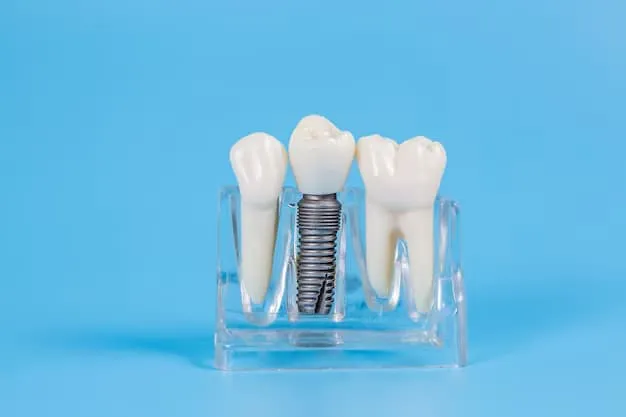

Choosing the right solution for missing teeth is an important decision that affects oral health, appearance, and daily comfort. dental implants in derby have become one of the most advanced options available, offering long term stability and natural function compared to traditional alternatives. Patients often compare implants with dentures and bridges before making a choice. Each option has benefits and limitations, but understanding their differences helps individuals make informed decisions that suit their needs and lifestyle.
Understanding Tooth Replacement Options
Tooth loss can occur due to decay, injury, or gum disease, and replacing missing teeth is essential for maintaining oral function. There are several options available, including dental implants, bridges, and dentures. Each method restores appearance and chewing ability to varying degrees, but they differ significantly in durability, comfort, and maintenance requirements.
While dentures and bridges have been used for many years, dental implants represent a more modern approach. They integrate directly with the jawbone, providing a stable foundation that closely mimics natural teeth. This structural advantage sets them apart from other treatments.
Dental Implants as a Modern Solution
How Dental Implants Work
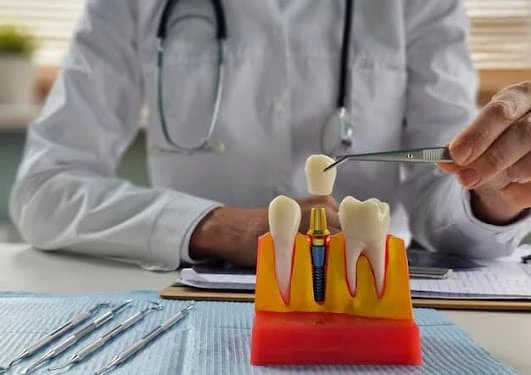
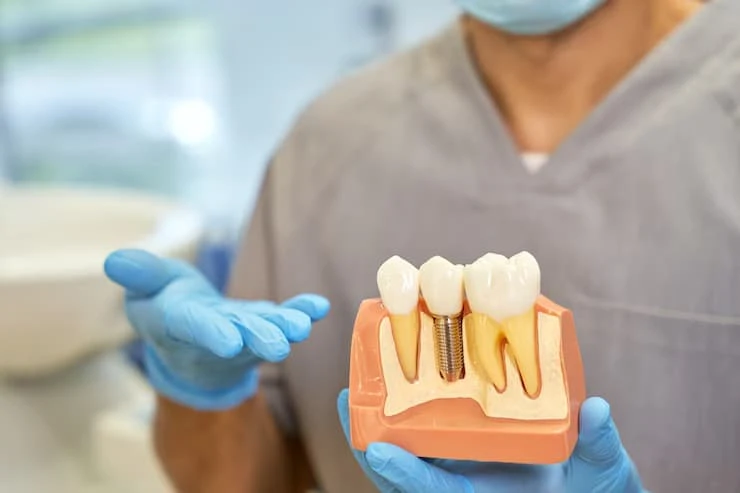
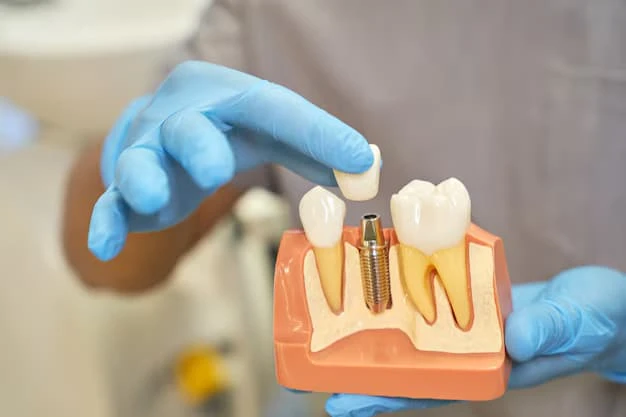
Dental implants are small titanium posts placed into the jawbone to replace missing tooth roots. Once integrated with the bone, they support crowns, bridges, or dentures. This fusion process creates a strong and permanent foundation that allows patients to eat, speak, and smile with confidence.
Unlike removable options, implants remain fixed in place. This stability reduces the risk of movement or discomfort, making them feel more like natural teeth. Over time, they help preserve bone density by stimulating the jaw, which prevents bone loss.
Benefits of Long Term Stability
One of the most significant advantages of dental implants is their durability. With proper care, they can last for many years or even a lifetime. This long term reliability makes them a cost effective solution over time, despite higher initial investment.
Their stability also improves daily comfort. Patients do not need to worry about adhesives or removal, which is often required with dentures. This convenience enhances overall quality of life.
Dentures as a Traditional Alternative
Removable Tooth Replacement
Dentures are removable appliances designed to replace multiple missing teeth. They rest on the gums and can be taken out for cleaning and sleeping. Partial dentures replace some teeth, while full dentures replace an entire arch.
Although dentures restore appearance and basic function, they rely on gum support rather than bone integration. This can lead to movement during eating or speaking, which may cause discomfort or embarrassment for some individuals.
Maintenance and Adjustments
Dentures require regular maintenance to ensure proper fit. Over time, changes in the jawbone can cause them to become loose, requiring adjustments or replacements. Adhesives are often used to improve stability, but they do not fully replicate the security of natural teeth.
Patients may also experience irritation or sore spots due to friction. These challenges make dentures less convenient compared to more permanent solutions.
Dental Bridges as a Fixed Option
Structure and Placement
Dental bridges are fixed restorations used to replace one or more missing teeth. They consist of artificial teeth anchored by crowns placed on adjacent natural teeth. This structure provides a stable and non removable solution that restores function and appearance.
Bridges are commonly chosen when nearby teeth are strong enough to support the restoration. However, they require reshaping of healthy teeth, which can be a drawback for some patients.
Limitations of Bridges
While bridges offer a fixed solution, they do not address bone loss in the missing tooth area. Since there is no root replacement, the jawbone may gradually deteriorate over time. This can affect facial structure and long term oral health.
Additionally, bridges may need replacement after several years due to wear or changes in surrounding teeth. This makes them less durable compared to implants.
Comparing Functionality and Comfort
Chewing Efficiency and Speech
Dental implants provide the closest experience to natural teeth when it comes to chewing and speaking. Their secure placement allows patients to eat a wide variety of foods without restriction. This is a significant advantage over dentures, which may shift during use.
Bridges also offer good functionality but may not feel as natural as implants. Overall, implants provide the highest level of comfort and performance among tooth replacement options.
Everyday Convenience
Convenience plays an important role in choosing a treatment. Implants require no removal or special adhesives, making them easy to maintain with regular brushing and flossing. This simplicity appeals to many patients seeking a low maintenance solution.
Dentures, on the other hand, must be removed and cleaned daily. Bridges require careful cleaning around supporting teeth to prevent decay. These differences highlight the ease of implants in daily life.
Oral Health Impact of Each Option
Bone Preservation with Implants
One of the unique benefits of implants is their ability to preserve jawbone health. The implant post stimulates the bone just like a natural tooth root, preventing deterioration. This helps maintain facial structure and prevents the sunken appearance often associated with long term tooth loss.
Neither dentures nor bridges offer this benefit, making implants a superior choice for long term oral health preservation.
Effect on Surrounding Teeth
Dental bridges require support from adjacent teeth, which may need to be filed down. This can weaken otherwise healthy teeth over time. Dentures do not affect surrounding teeth directly but may still contribute to gum irritation.
Implants, however, do not rely on neighboring teeth. This allows surrounding teeth to remain untouched and healthy, preserving overall dental integrity.
Longevity and Cost Considerations
Long Term Investment Value
Although implants typically have a higher initial cost, their durability often makes them more cost effective in the long run. They rarely need replacement and require minimal maintenance compared to other options.
Dentures and bridges may seem more affordable initially, but their need for repairs or replacements can increase long term expenses. This makes implants a valuable long term investment for many patients.
Maintenance Requirements
Maintenance is another important factor in cost effectiveness. Implants require standard oral hygiene practices without additional products or procedures. This simplicity reduces ongoing costs.
Dentures require cleaning solutions, adhesives, and occasional relining. Bridges may require special cleaning tools and professional care to maintain surrounding teeth. These ongoing needs add to their overall maintenance burden.
Aesthetic Differences Between Options
Natural Appearance of Implants
Dental implants are designed to closely match natural teeth in shape, color, and alignment. Their secure placement ensures they do not shift or move, maintaining a consistent and natural appearance.
This makes them highly appealing for patients concerned about aesthetics. The seamless integration with surrounding teeth enhances confidence and improves smile appearance.
Aesthetic Limitations of Other Options
Dentures may sometimes appear less natural due to their artificial base and potential movement. Bridges provide better aesthetics than dentures but may still lack the natural feel and appearance of implants.
Over time, changes in gum structure can also affect the appearance of both dentures and bridges, whereas implants maintain their position more consistently.
Suitability for Different Patients
Candidates for Dental Implants
Dental implants are suitable for most adults with healthy gums and sufficient bone density. Even patients with bone loss may be eligible after preparatory treatments such as bone grafting.
They are often recommended for individuals seeking a long term and stable solution that closely replicates natural teeth.
When Other Options May Be Considered
Dentures or bridges may be more suitable for patients who prefer a non surgical or lower cost initial option. They may also be recommended in cases where medical conditions prevent implant surgery.
Each treatment should be evaluated based on individual needs, health conditions, and long term goals.
Conclusion
When comparing tooth replacement options, dental implants consistently stand out for their durability, comfort, and natural function. While dentures and bridges offer alternative solutions, they may not provide the same level of stability or long term benefits. Understanding these differences helps patients make informed choices about their oral health and future well being.
For expert guidance and advanced treatment options, Implant Perfection offers trusted support for patients considering tooth replacement solutions.



























Sign in to leave a comment.