

Losing a tooth changes more than your smile. It affects how you chew, how your jawbone holds up over time and even how your other teeth shift. When people search for a fix, they usually land on two broad paths: general missing tooth replacement options like bridges and dentures or dental implants specifically. Both solve the same problem, but they work in very different ways.
What Missing Tooth Replacement Usually Means
The term missing tooth replacement covers several older, well-tested methods. Bridges use the neighboring teeth as anchors to hold a false tooth in place. Dentures, whether partial or full, sit on the gums and can be removed. These options have been around for decades because they work reasonably well, cost less upfront and don't require surgery. Discover the benefits of dental implants in Mitcham-Visit our website now!
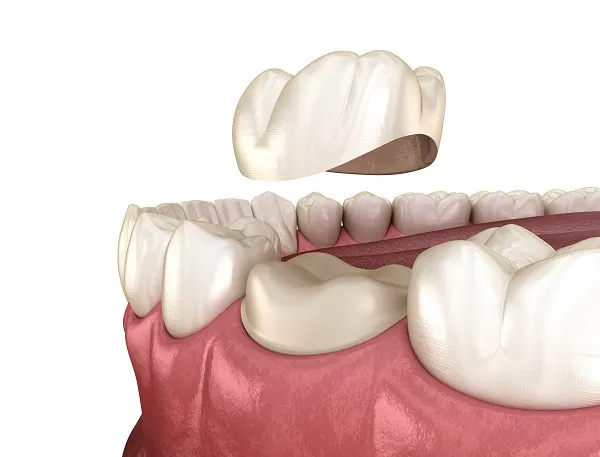
The tradeoff is durability and bone health. Bridges require shaving down healthy adjacent teeth to fit crowns over them. Dentures can slip, need periodic relining and don't stop the jawbone from shrinking underneath the gap.
Where Dental Implants Fit In
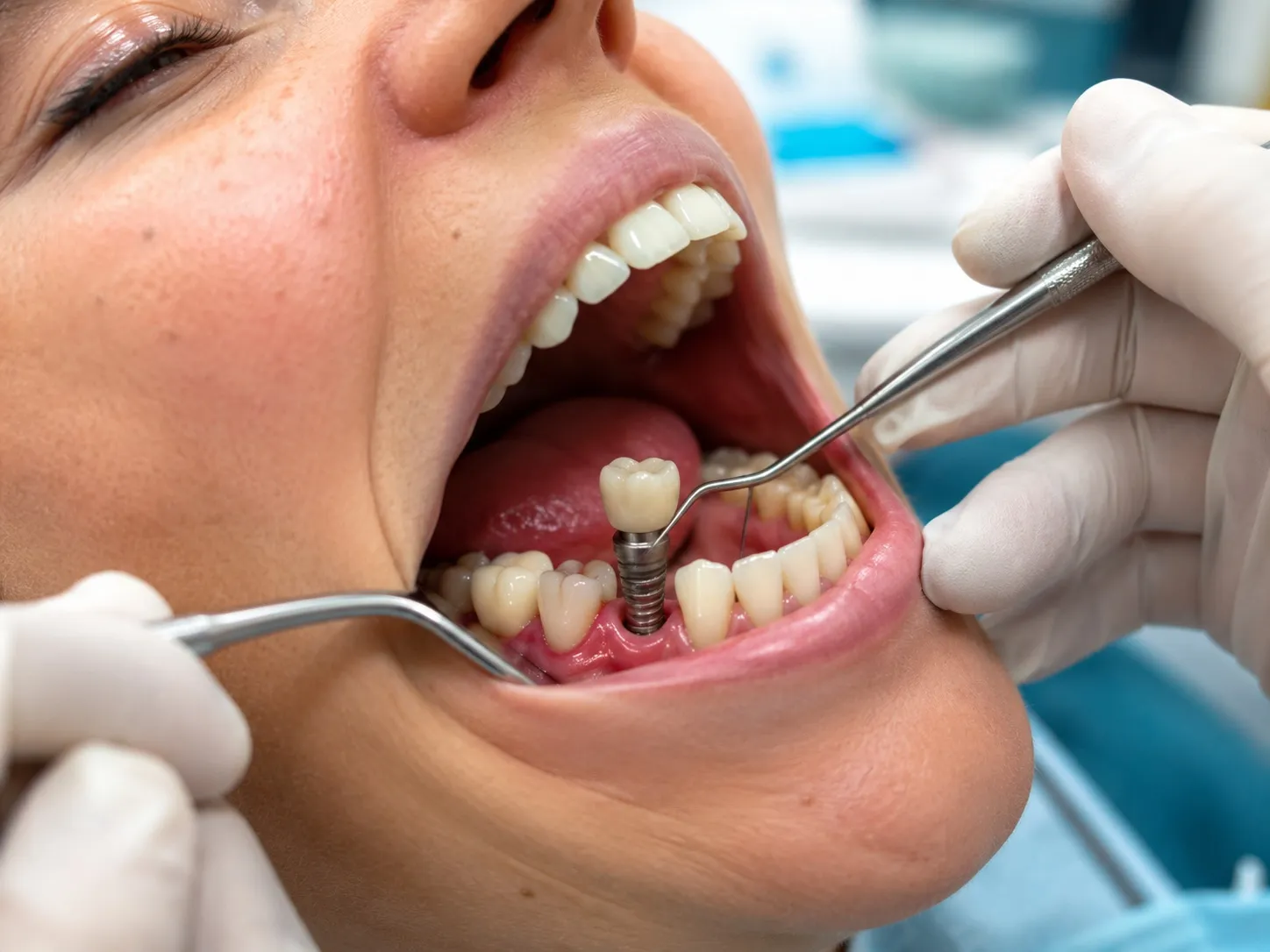
A dental implant is a titanium post placed directly into the jawbone, topped with a crown that looks and functions like a natural tooth. Because the post fuses with bone through a process called osseointegration, implants stimulate the jaw the same way a natural tooth root does. This keeps bone density stable, something bridges and dentures can't do.
Implants also don't rely on neighboring teeth for support, so healthy teeth stay untouched. The trade-off is time. Healing and integration can take a few months and not everyone is a candidate right away if bone density is already low.
The Trend Dentists Are Watching
More clinicians are steering patients toward implants as a long-term solution rather than a quick fix, especially with better imaging and same-day placement techniques becoming common. That said, missing tooth replacement through bridges or dentures still has a place, particularly for patients who want a faster, less invasive route or have health conditions that make implant surgery riskier.
Which One Is Actually Better?
There's no single answer. If long-term bone health and a permanent feel matter most, implants usually win. If speed, non-surgical treatment or simplicity matter more, traditional replacement methods still hold up. The right choice depends on your mouth, your health and what you're solving for.
Author Bio:-
Ansley has 12 years of experience in the dental world. You can find his thoughts at dental treatment blog.




























Sign in to leave a comment.