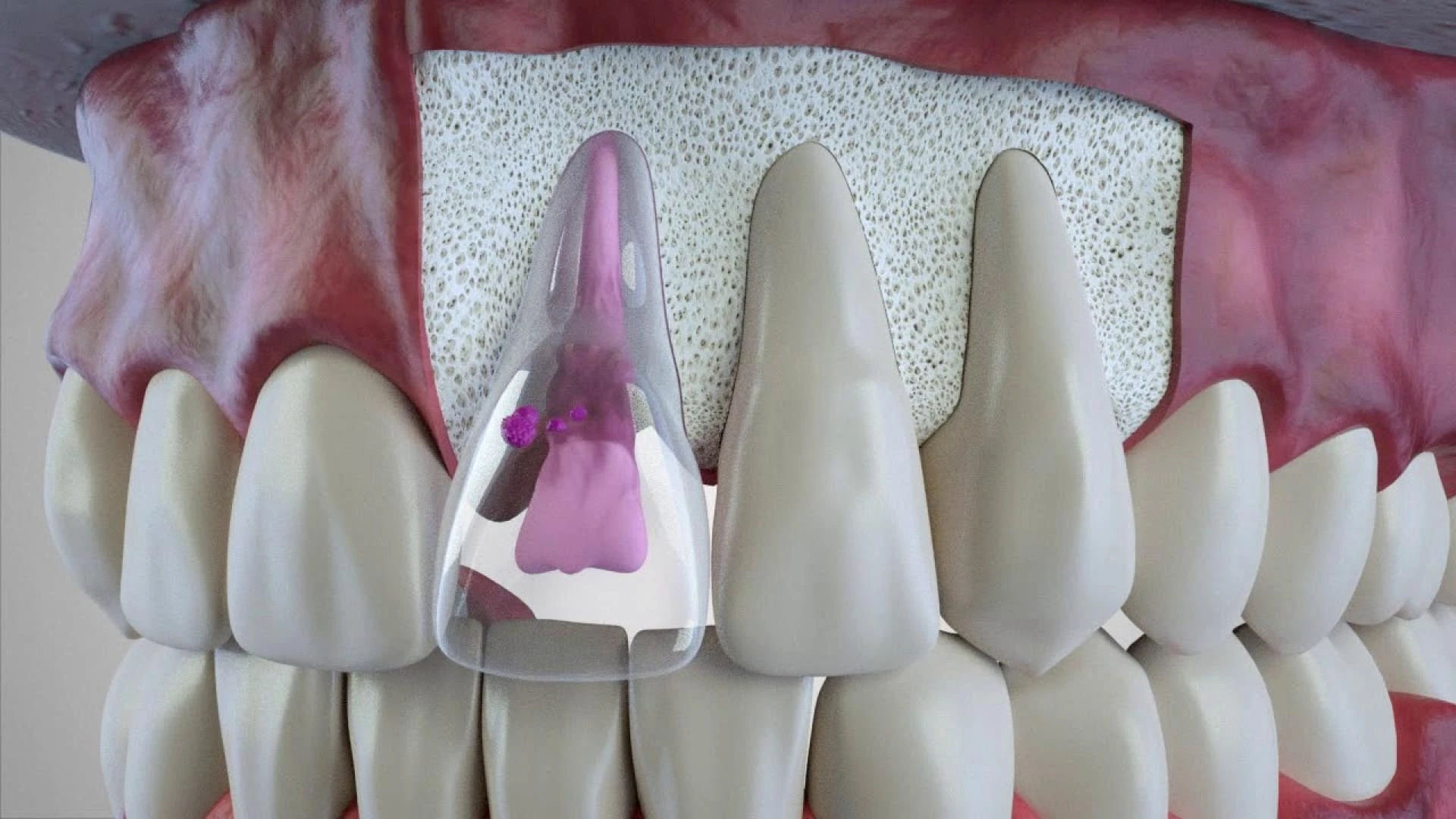
Dental internal resorption is a condition that can progress silently, making early detection challenging. Because symptoms are often absent or subtle, diagnosis frequently occurs during routine dental examinations. Understanding the signs and diagnostic process helps explain how this condition is identified and monitored.
Why Symptoms Are Often Minimal
Internal resorption develops within the tooth structure, typically affecting the dentin near the pulp. Since the process occurs internally, the outer enamel may remain intact for an extended period. As a result, individuals may not experience pain or sensitivity during the early stages.
This lack of noticeable symptoms highlights the importance of regular dental evaluations.
Visual Indicators of Internal Resorption
Although uncommon, visible changes may occur as internal resorption progresses. One potential sign is a discoloration of the tooth, sometimes described as a pinkish or reddish hue. This appearance results from vascular tissue becoming visible through thinning enamel.
Such changes are not always present and should be evaluated by a dental professional when observed.
Role of Dental Imaging
Dental imaging is the primary method for diagnosing internal resorption. Standard dental X-rays can reveal symmetrical, well-defined radiolucent areas within the pulp chamber or root canal. These imaging features help distinguish internal resorption from other dental conditions.
In some cases, advanced imaging techniques may be used to gain a clearer view of the tooth’s internal structure.
Clinical Examination and Assessment
In addition to imaging, a clinical examination helps assess tooth vitality and structural integrity. Dental professionals may evaluate response to temperature or pressure tests to understand pulp condition. These assessments provide additional context for imaging findings.
Combining clinical observations with imaging results supports accurate diagnosis.
Differentiating from Other Conditions
Internal resorption must be differentiated from external resorption or other structural changes. External resorption affects the outer surface of the tooth and may appear differently on imaging. Accurate differentiation is important for determining appropriate management.
Dental expertise plays a key role in identifying the correct condition.
Importance of Routine Dental Visits
Routine dental visits are often the reason internal resorption is detected. Regular imaging allows dental professionals to monitor subtle internal changes over time. Early identification reduces the risk of structural damage and complications.
Consistent monitoring supports long-term oral health.
Conclusion
Dental internal resorption is frequently identified through imaging rather than symptoms. Understanding the signs and diagnostic process highlights the importance of routine dental examinations. Early detection through professional evaluation helps preserve tooth structure and supports informed dental care decisions.
























Sign in to leave a comment.