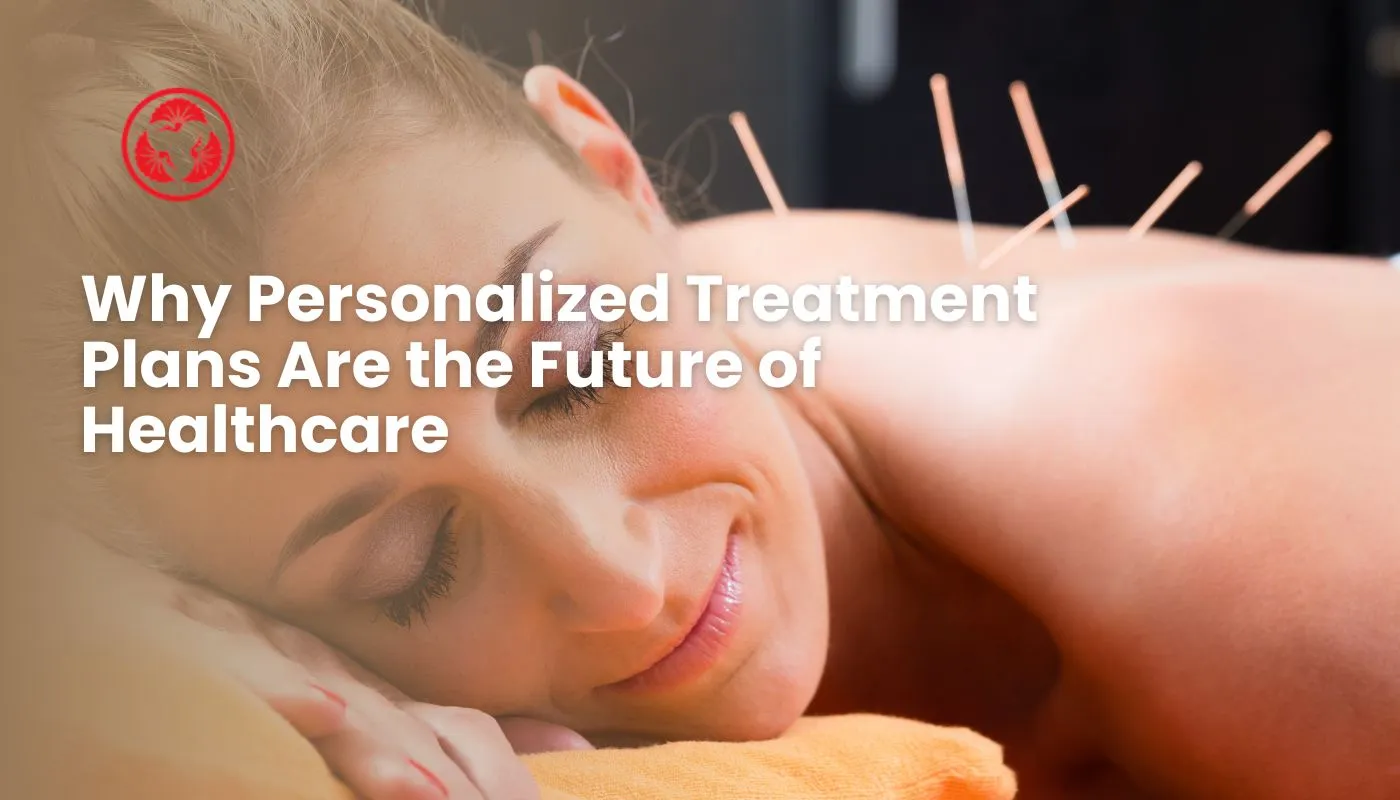

Healthcare is gradually shifting away from one-size-fits-all solutions toward more individualized approaches that take into account a person’s unique body, lifestyle, medical history, and response to treatment. This change is not theoretical anymore; it is actively shaping how clinics, wellness centers, and integrative practitioners design care plans. In places like Chattanooga, Tennessee, this shift is already visible in the growing demand for services that prioritize personalization over standardized protocols.
The Limitations of Standard Healthcare Models
Traditional healthcare systems are often built around generalized treatment pathways. While these protocols are useful for managing acute conditions and emergencies, they can fall short when dealing with chronic issues such as long-term pain, stress-related disorders, hormonal imbalance, or fatigue. The reason is simple: two patients with the same diagnosis may have completely different root causes.
For example, chronic back pain in one person may be driven by posture and muscle imbalance, while in another it may be linked to stress, inflammation, or nerve sensitivity. Treating both with the same method can lead to partial or temporary relief at best. This gap is what is pushing healthcare providers toward more customized care strategies.
Why Personalization Improves Long-Term Outcomes
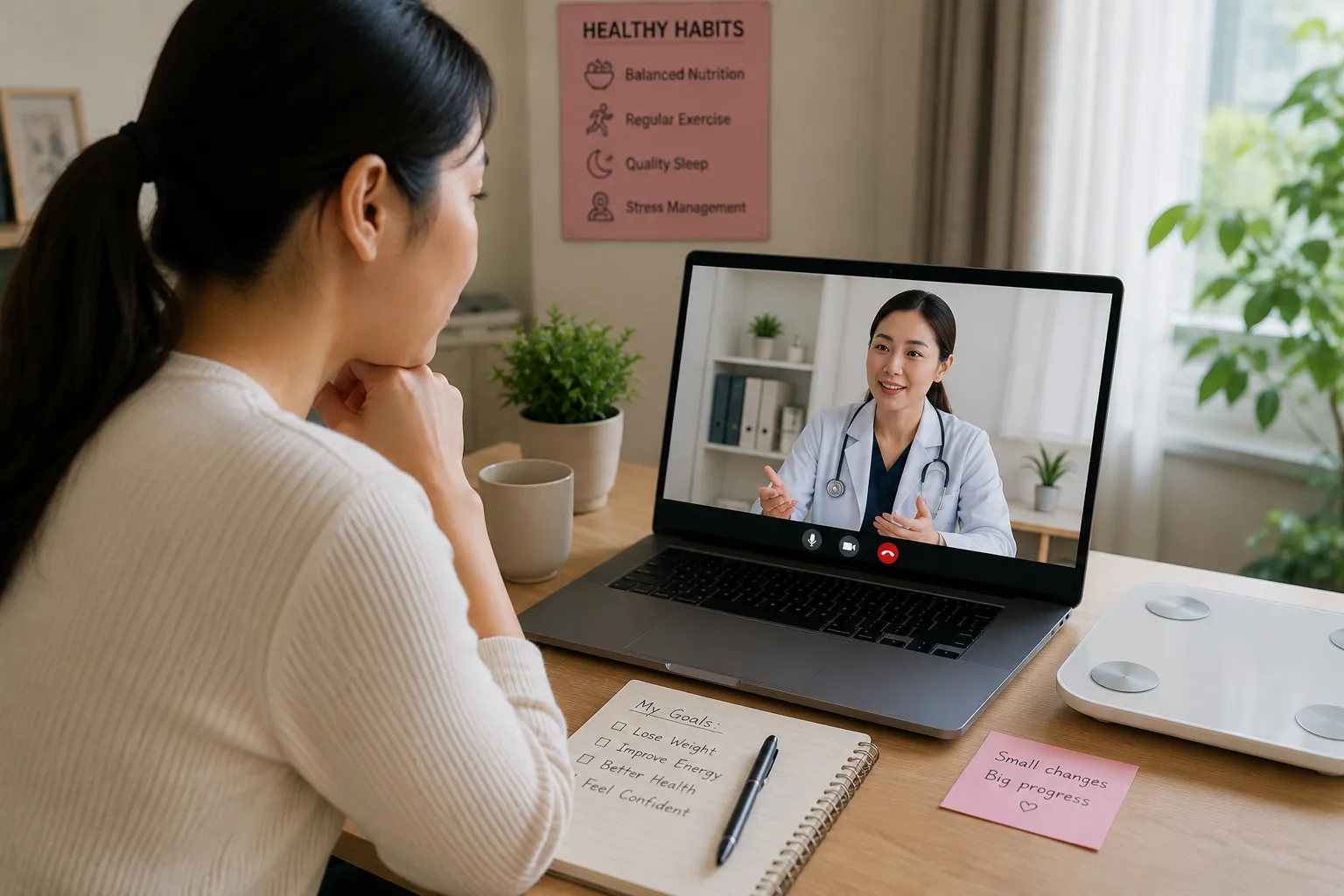
Personalized treatment focuses on understanding the individual rather than just the condition. It considers factors such as daily habits, emotional stress levels, sleep quality, nutrition, and previous treatment responses. By doing this, practitioners can design a plan that is more aligned with how the body actually behaves rather than how textbooks describe a disease.
In integrative wellness environments such as a modern Chattanooga wellness center, this approach is becoming central to patient care. Instead of offering isolated treatments, practitioners combine multiple therapies and adjust them over time based on how the patient responds. This adaptive method increases the likelihood of sustainable improvement rather than temporary symptom control.
The Role of Acupuncture in Personalized Care
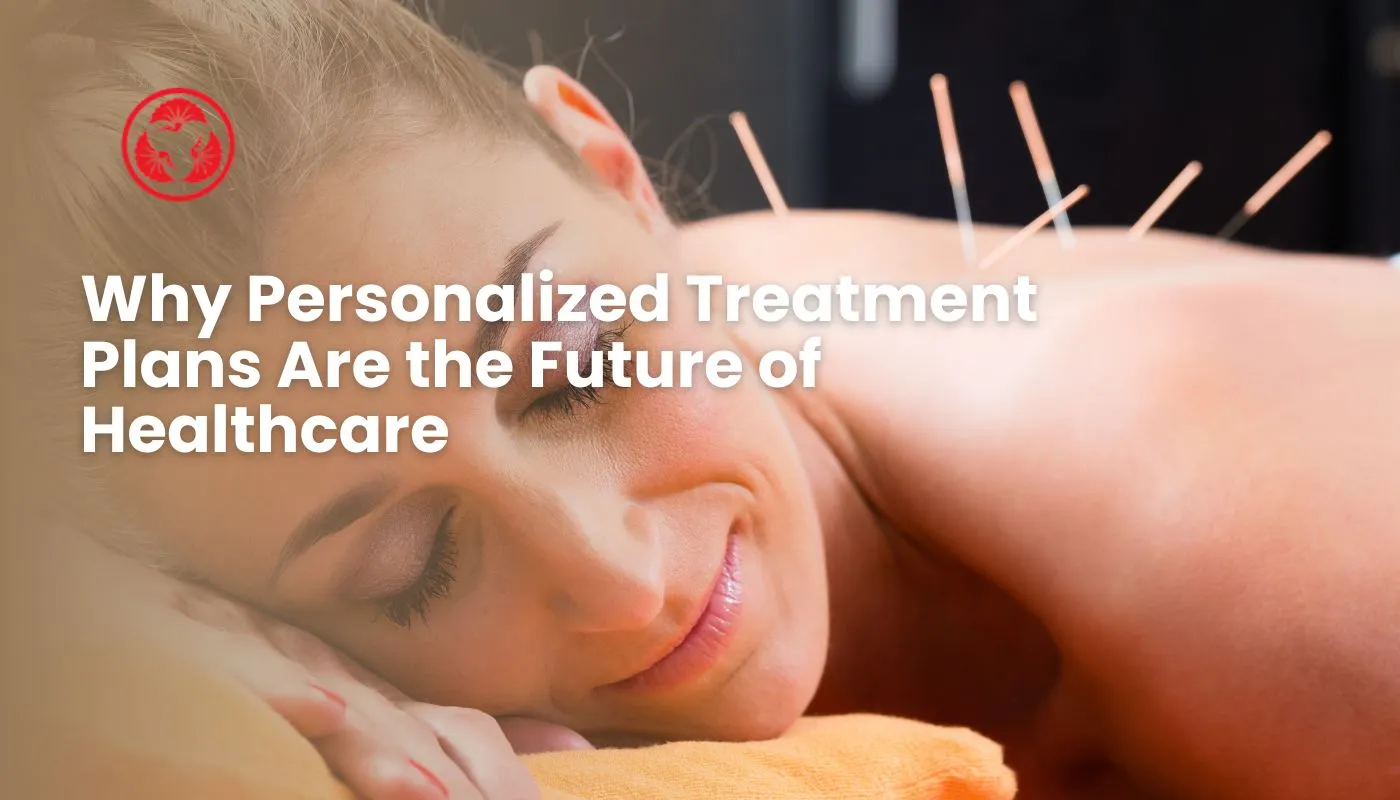
Acupuncture is one of the most widely used modalities in personalized wellness planning because it naturally adapts to individual needs. No two acupuncture sessions are identical. Points selected, intensity of stimulation, and treatment frequency all depend on how a patient’s body is responding at that moment.
This flexibility makes acupuncture particularly effective for chronic pain, stress disorders, and functional imbalances. It is also one of the reasons many people search for acupuncture costs near me when they begin exploring long-term holistic care options. While cost is an important consideration, patients often find that personalized acupuncture plans reduce the need for repeated short-term interventions, making it a more sustainable investment over time.
Moving Beyond Symptom-Based Treatment
One of the key problems in conventional care is symptom-focused treatment. A headache is treated as a headache, regardless of whether it is caused by dehydration, muscle tension, hormonal changes, or stress. Personalized healthcare challenges this by asking a deeper question: why is the symptom happening in the first place?
By identifying patterns across the body and lifestyle, practitioners can address root causes rather than isolated symptoms. This is especially important in chronic conditions where symptoms tend to return after temporary relief. Personalized care reduces this recurrence by targeting the underlying imbalance instead of repeatedly suppressing pain signals.
Why Wellness Centers Are Leading This Shift
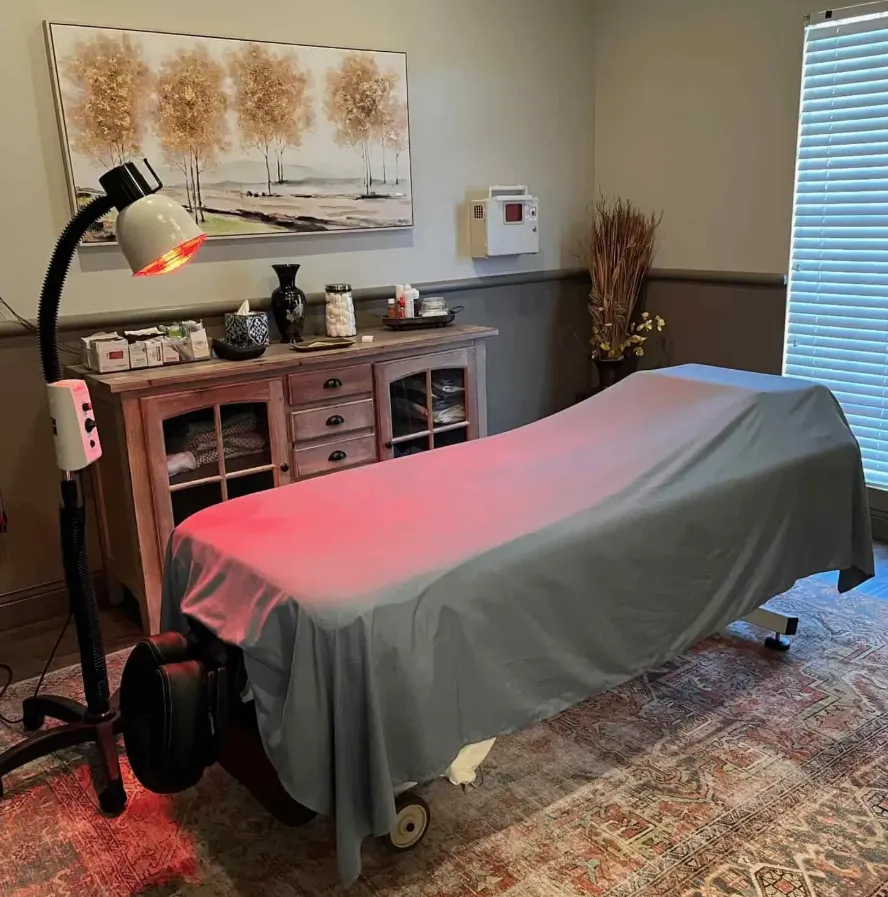
Modern wellness facilities are playing a major role in advancing personalized healthcare. A growing number of patients now prefer environments where multiple therapies can be combined under one roof. This includes acupuncture, physical therapy, nutritional guidance, stress management techniques, and other supportive treatments.
In Chattanooga, this model is gaining traction as more people seek integrated solutions rather than fragmented care experiences. A Chattanooga wellness center that focuses on individualized treatment planning can adjust therapies dynamically, ensuring that care evolves with the patient instead of remaining static.
Cost, Value, and Long-Term Perspective
When people initially explore treatments like acupuncture, one of the most common questions is related to pricing and accessibility. Searches for acupuncture costs near me often reflect this concern. However, personalized healthcare reframes the discussion from short-term expense to long-term value.
Instead of repeated spending on temporary fixes, personalized plans aim to reduce recurrence of symptoms and improve overall health stability. Over time, this can lower total healthcare costs while improving quality of life. The value is not just in treatment sessions but in reduced dependency on ongoing corrective care.
The Future of Healthcare is Individualized
The future of healthcare is moving toward systems that are flexible, adaptive, and patient-centered. Instead of forcing individuals into standardized treatment pathways, modern care models are beginning to adapt to the individual. This shift is being driven by both patient demand and growing clinical evidence supporting personalized interventions.
As this evolution continues, wellness models that integrate therapies, track outcomes, and adjust treatment plans in real time will become the standard rather than the exception.
Experience Personalized Care with Red Crane Wellness
If you are looking for a more individualized approach to health and recovery, personalized treatment planning can help you move beyond temporary relief and toward lasting improvement. At Red Crane Wellness, care is designed around your unique needs, combining evidence-informed therapies with a patient-centered approach that evolves as you do.
To begin your journey toward more balanced and personalized healing, connect with Red Crane Wellness and explore a treatment plan built specifically for you.



























Sign in to leave a comment.