
Stress and anxiety can affect the body in ways that are easy to feel but sometimes hard to explain. A person may notice tight shoulders, shallow breathing, poor sleep, racing thoughts, digestive changes, headaches, fatigue, irritability, or a constant feeling of being “on edge.” For some people, stress comes from work, family responsibilities, life transitions, or ongoing pressure. For others, anxiety may feel like it appears without a clear reason. Either way, the nervous system can become overwhelmed.
Many patients explore acupuncture for stress and anxiety because they want support that feels gentle, natural, and whole-body focused. Acupuncture is not a replacement for emergency mental health care, therapy, or prescribed medication when those are needed. However, it may be a helpful part of a broader wellness plan by supporting relaxation, nervous system regulation, better sleep, and a stronger sense of balance. Working with an experienced acupuncture specialist in Chattanooga can help patients receive care that is thoughtful, personalized, and grounded in their individual needs.
Understanding Stress and Anxiety in the Body
Stress and anxiety are not only mental experiences. They can show up physically throughout the body. When the nervous system senses pressure or threat, it can shift into a heightened state often described as fight-or-flight. In short bursts, this response can be useful. It helps the body stay alert and respond to challenges. But when stress becomes ongoing, the body may have a harder time returning to a calm state.
This can lead to symptoms such as muscle tension, restlessness, jaw clenching, headaches, chest tightness, digestive upset, sleep trouble, and fatigue. Many people also feel mentally drained because their body is constantly working to manage stress. Acupuncture approaches these symptoms by looking at how the whole system is responding, rather than focusing on one symptom alone.
How Acupuncture May Support the Nervous System
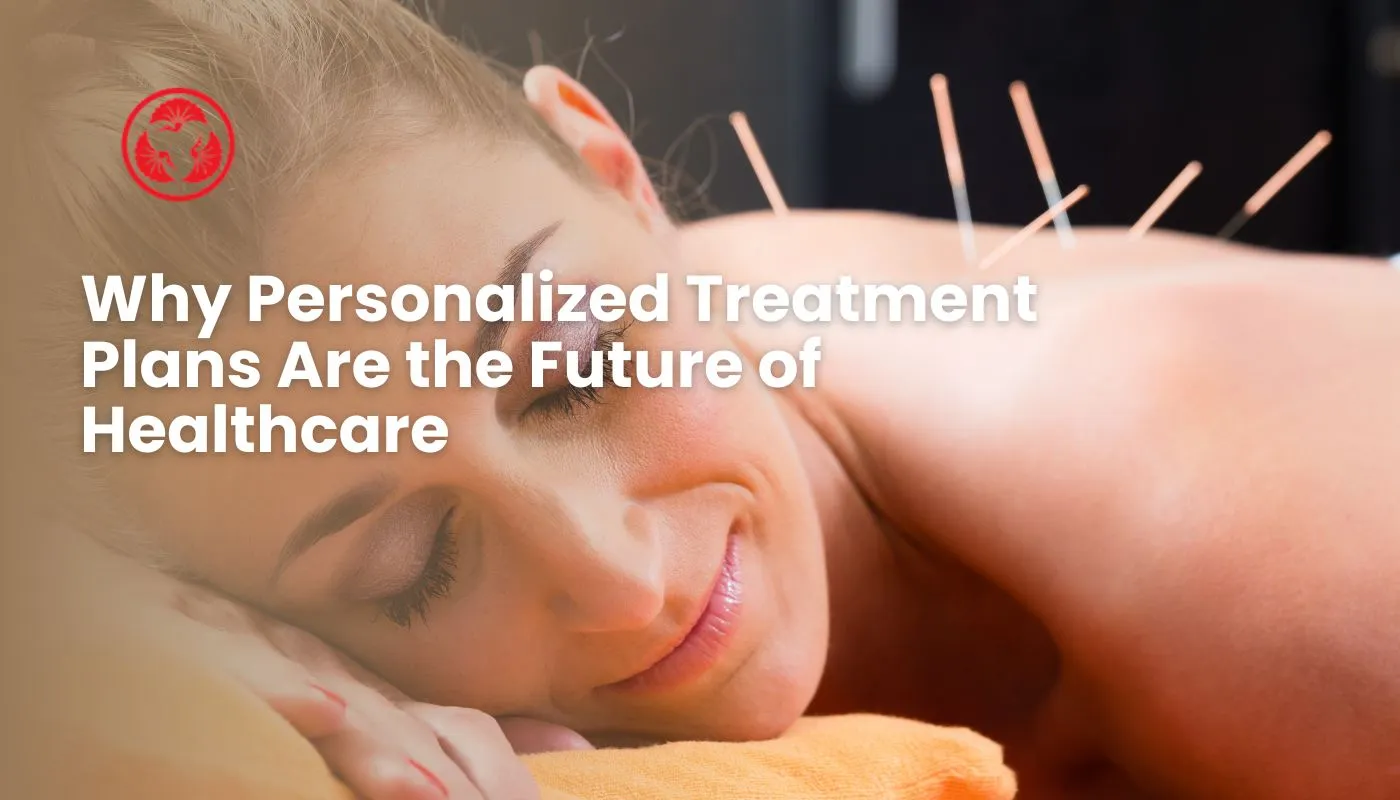
Acupuncture involves placing very thin sterile needles at specific points on the body. In traditional Chinese medicine, these points are selected to help restore balance, regulate qi, and support the body’s natural ability to heal. From a modern perspective, acupuncture may influence the nervous system, circulation, muscle tone, and the body’s relaxation response.
Many patients describe feeling calmer during and after treatment. This may be because acupuncture encourages the body to shift away from a heightened stress state and toward a more restorative state. For someone who feels tense, overstimulated, or emotionally drained, this quiet reset can be one of the most meaningful parts of treatment.
Why Stress Often Creates Physical Symptoms
One reason stress and anxiety feel so exhausting is that they often affect the body from head to toe. Tight muscles may develop in the neck, shoulders, back, jaw, or chest. Breathing may become shallow. Digestion may slow down or become unsettled. Sleep may become lighter or more interrupted. Over time, these physical changes can make anxiety feel even harder to manage.
Acupuncture for stress and anxiety may help by addressing both emotional and physical patterns. A treatment plan may focus on calming the mind, relaxing muscle tension, supporting sleep, and improving overall regulation. Because each patient’s symptoms are different, the approach should be individualized instead of one-size-fits-all.
Acupuncture and Sleep Support
Sleep is closely connected to stress and anxiety. When the mind is busy at night, the body may struggle to rest. Poor sleep can then make stress feel worse the next day, creating a frustrating cycle. Many patients who seek acupuncture for anxiety also mention difficulty falling asleep, waking during the night, vivid dreams, or waking up feeling unrefreshed.
Acupuncture may support sleep by helping the nervous system settle and encouraging the body to enter a calmer state. Better sleep can improve mood, energy, focus, and resilience. While not every patient responds the same way, improved rest is a common goal in treatment plans for stress-related concerns.
The Role of Personalized Treatment
No two people experience stress in the exact same way. One person may feel anxious in the chest with racing thoughts. Another may feel stress mostly as digestive upset. Someone else may carry tension in the shoulders and jaw. In Chinese medicine, these differences matter because they help guide treatment.
A skilled acupuncture specialist in Chattanooga may ask about sleep, digestion, mood, menstrual patterns, energy, appetite, pain, temperature sensitivity, and lifestyle. This broader intake helps identify patterns that may be contributing to the patient’s stress response. The goal is not only to calm symptoms temporarily, but also to understand how the body is holding stress.
What to Expect During an Acupuncture Visit
A first acupuncture visit usually begins with a detailed conversation. The practitioner may ask about your main concerns, health history, medications, sleep, stress levels, digestion, and daily routine. This helps create a safe and appropriate treatment plan. Patients do not need to have all the answers. The visit is meant to help clarify what is happening and how acupuncture may support them.
During treatment, thin needles are placed at selected points. Most people find the process much gentler than expected. Some feel a light pressure, warmth, tingling, or heaviness. Many feel relaxed enough to rest quietly. After the session, some patients feel calm right away, while others notice gradual changes after several treatments.
Acupuncture Is Not About “Just Relaxing”
People with anxiety are often told to “just relax,” but that advice can feel frustrating and unhelpful. Anxiety is not simply a matter of choosing to calm down. The nervous system may be stuck in a pattern that needs support, patience, and consistent care. Acupuncture offers a body-based approach that may help the system shift more naturally.
This is one reason many patients appreciate acupuncture. They do not have to explain everything perfectly or force themselves to relax. The treatment itself creates a quiet space where the body can begin to soften. For people who feel mentally overloaded, that experience can be deeply supportive.
How Often Might Someone Need Treatment?
The number of sessions depends on the person’s symptoms, how long the stress or anxiety has been present, and how the body responds to treatment. Some patients notice changes after the first visit, while others benefit from a series of sessions. Long-term or chronic stress patterns may require more consistent care.
A practitioner should discuss a realistic plan without making exaggerated promises. The goal is to support progress in a way that feels steady and manageable. Patients should also be encouraged to continue any mental health care, medical treatment, or medication plan recommended by their healthcare provider.
When to Seek Additional Support
Acupuncture can be a supportive wellness tool, but some situations require additional care. If anxiety is severe, if panic attacks are frequent, if symptoms are interfering heavily with daily life, or if someone has thoughts of self-harm, professional mental health support is important. Emergency help should be sought immediately if safety is at risk.
A responsible acupuncture provider understands the value of collaborative care. Acupuncture can support the body, but it should not replace therapy, medical care, crisis care, or prescribed medication when those are needed. The safest approach is one that respects the full range of support available to the patient.
Lifestyle Support Between Sessions
Acupuncture may be even more helpful when combined with small lifestyle practices that support the nervous system. Gentle movement, steady meals, hydration, breathing exercises, time outdoors, reduced screen overload, and consistent sleep routines may all support stress recovery. These habits do not need to be perfect. Even small changes can help the body feel safer and more regulated.
Patients may also benefit from noticing what triggers or worsens their symptoms. This could include caffeine, lack of sleep, overworking, skipped meals, or constant stimulation. A thoughtful practitioner may help patients identify patterns without judgment.
Why Patients Choose a Whole-Body Approach
Many people seek acupuncture because they want care that looks at the whole person. Stress and anxiety can affect emotions, muscles, digestion, sleep, hormones, pain levels, and energy. Treating the body as a connected system can feel more complete than focusing on one symptom at a time.
Acupuncture for stress and anxiety offers a gentle way to support that connection. It gives patients time to pause, breathe, and receive care that is designed around their specific experience. For people who feel overwhelmed by fast-paced life, this kind of treatment can feel grounding.
Final Thoughts
Stress and anxiety can affect both the mind and body, creating symptoms that interfere with sleep, comfort, focus, digestion, and daily peace. Acupuncture may help support nervous system balance, relaxation, muscle tension relief, and better rest as part of a broader wellness plan.
If you are looking for an acupuncture specialist in Chattanooga, Red Crane Wellness offers patient-centered care rooted in acupuncture and Chinese medicine. With a thoughtful approach to acupuncture for stress and anxiety, patients can explore natural support that respects the whole person and helps the body move toward a calmer, more balanced state.





























Sign in to leave a comment.