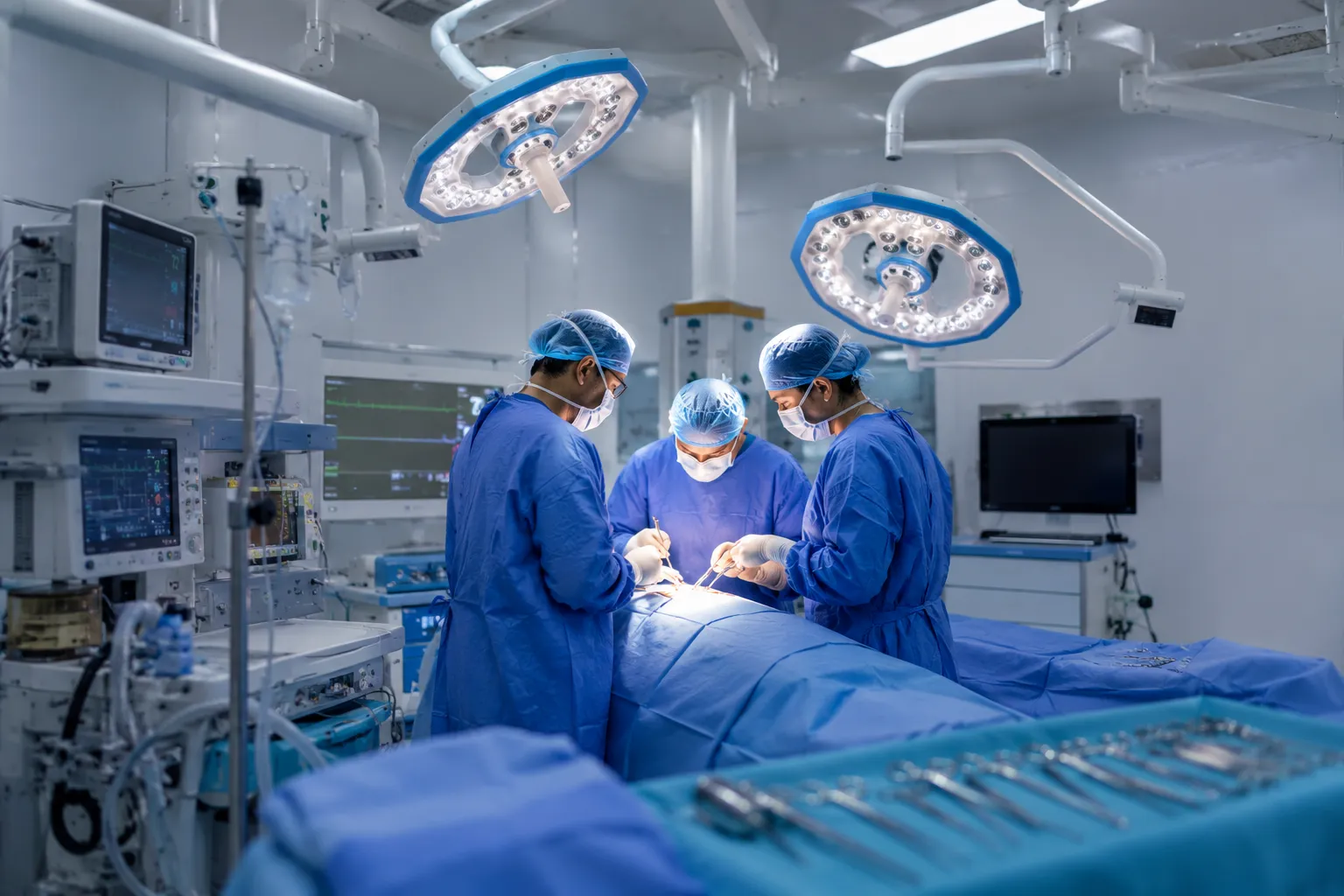

Surgical lighting has come a long way from simply illuminating the operating field. In today's modern operating rooms, lighting is increasingly becoming part of a connected, intelligent surgical environment. As hospitals adopt digital technologies, AI-assisted systems, automation, and integrated operating theatres, surgical lighting is evolving to support better visualization, workflow efficiency, and clinical ergonomics.
In 2026, the focus is shifting from simply producing brighter light to delivering smarter, more adaptable, and more precise illumination. The latest generation of surgical lighting systems combines advanced LED technology with sensors, digital controls, imaging, and intelligent automation. These developments are changing how surgeons interact with lighting during procedures and how hospitals manage their operating room infrastructure.
From Illumination to Intelligent Visualization
Traditionally, surgical lighting was designed around a few essential parameters: brightness, shadow reduction, colour temperature, and ease of positioning. These fundamentals remain important, but modern surgical environments demand much more.
An advanced led ot lights can now be part of a broader digital ecosystem. Instead of functioning as an isolated piece of equipment, it may work alongside surgical cameras, monitors, imaging systems, and operating room integration platforms.
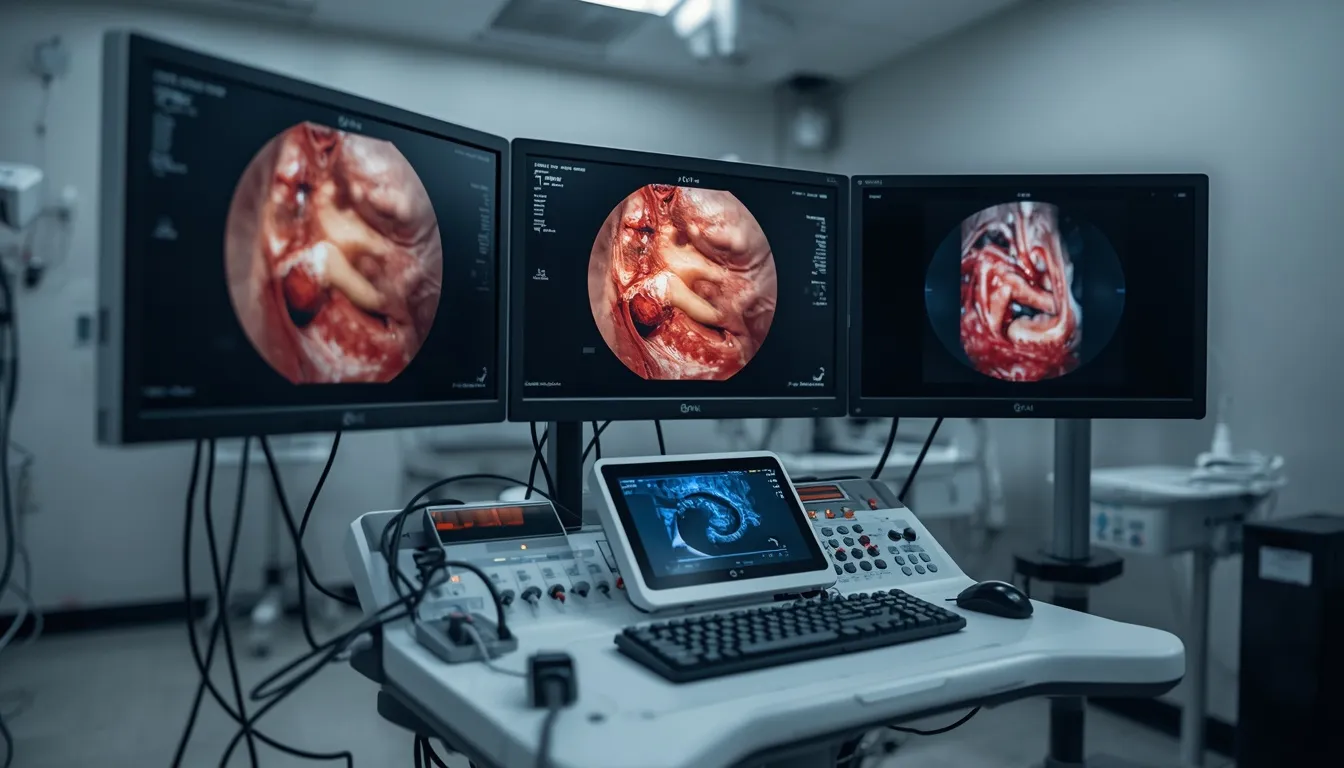
This shift is particularly relevant as minimally invasive and image-guided procedures become increasingly common. Surgeons often rely on both direct visualization and displays showing real-time endoscopic or surgical imaging. Intelligent lighting technologies are being developed to complement these workflows by providing consistent and optimized illumination where it is needed.
The goal is not to replace clinical judgment with technology. Rather, smart lighting is designed to give surgical teams greater control over their environment while reducing unnecessary manual adjustments.
AI and Sensor-Based Automation
One of the most interesting developments in smart surgical lighting is the growing use of sensors and automation.
AI-enabled systems have the potential to analyze environmental and procedural conditions and adjust certain lighting parameters accordingly. For example, intelligent systems can use sensors to detect changes in the operating environment, movement around the surgical field, or the position of surgical personnel.
In the future, these capabilities could help lighting systems automatically respond to changing conditions. Instead of repeatedly repositioning or adjusting the light manually, the system could support more consistent illumination throughout a procedure.
However, AI in surgical lighting should be viewed realistically. The technology is still developing, and its application varies between systems. Not every intelligent lighting system uses artificial intelligence in the same way. Some rely primarily on sensors, automation, and programmable controls, while others may incorporate more advanced algorithms.
For hospitals evaluating new technology, it is therefore important to distinguish between genuine AI capabilities and basic automation.
Smarter Shadow Management
Shadow management remains one of the most important challenges in surgical illumination. The movement of surgeons, assistants, and instruments can obstruct light and create shadows across the operating field.
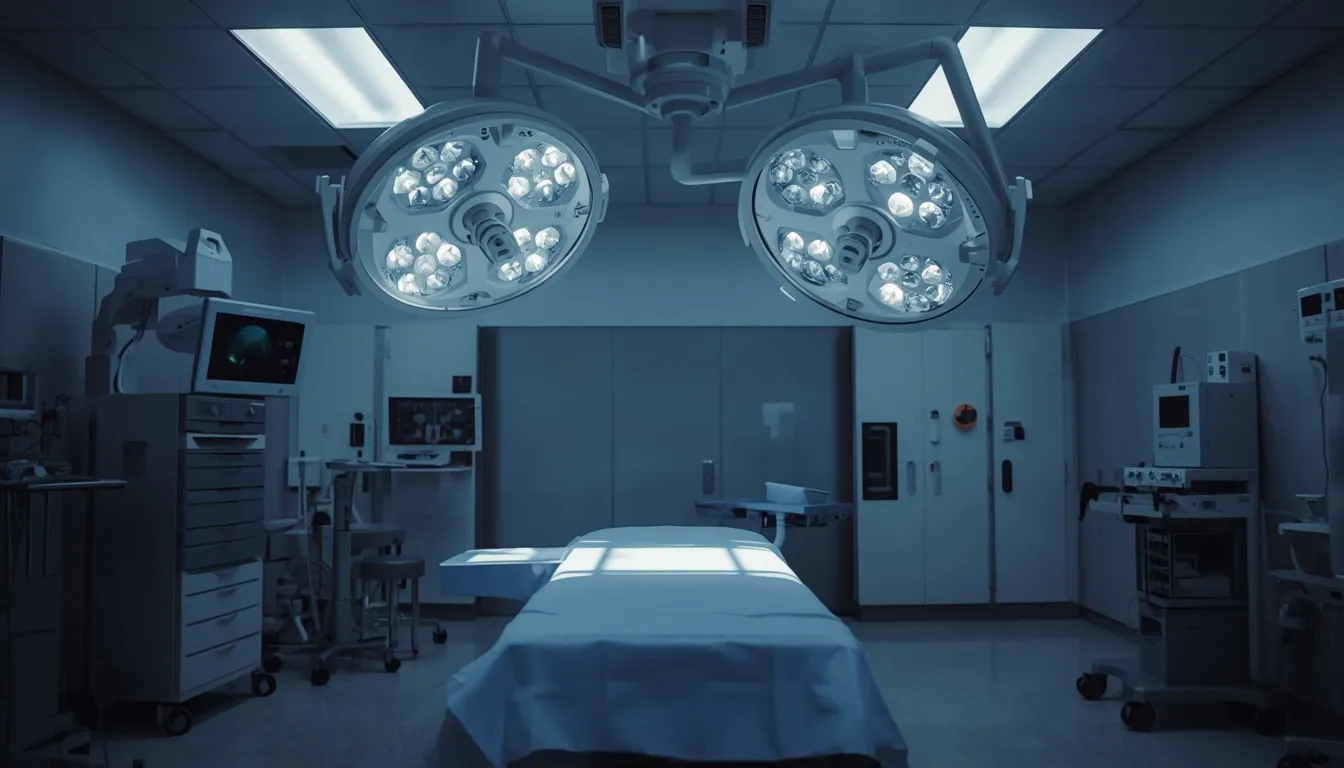
Modern Operation theatre light led are increasingly designed with multi-source LED configurations and intelligent optical technologies to reduce this problem. By distributing light from multiple angles, these systems can help maintain illumination even when part of the light beam is blocked.
The next generation of smart lighting may take this concept further. Sensor-driven systems could potentially detect changes in the surgical environment and optimize illumination dynamically.
This is particularly valuable during procedures where multiple people are working around the operating field. Better shadow management can help maintain a more consistent visual environment and reduce the need for frequent manual repositioning.
Advanced Colour Rendering and Tissue Visualization
Brightness alone does not determine the quality of surgical illumination. The ability of a light source to reproduce colours accurately is equally important.
Surgeons need to distinguish subtle differences in tissue, blood vessels, and anatomical structures. This makes colour rendering an important consideration when hospitals evaluate lights in operation theatre.
Modern LED systems are increasingly focusing on sophisticated spectral engineering rather than simply increasing lux levels. Parameters such as CRI and specific colour rendering values, including R9, are gaining greater attention because they can influence the way reds and other critical tissue colours appear.
Smart lighting technology can also support adjustable colour temperature, allowing surgical teams to adapt the visual environment according to the procedure or personal preference.
In 2026, the conversation around surgical lighting is therefore moving beyond "How bright is the light?" to more meaningful questions such as:
- How accurately does it reproduce tissue colours?
- How consistently does it illuminate the surgical field?
- How effectively does it manage shadows?
- Can the lighting be adapted to different procedures?
- Does it integrate with other operating room technologies?
These are more relevant indicators of a modern surgical lighting system.
Integration with the Digital Operating Room
The connected operating room is one of the strongest trends influencing surgical technology.
In an integrated operating theatre, multiple devices can communicate through a centralized digital platform. Surgical lights, cameras, displays, imaging systems, and other equipment can potentially be controlled through integrated interfaces.
For surgical lighting, this opens the possibility of centralized control and improved workflow. Instead of operating each device independently, surgical teams may be able to manage multiple functions from a common interface.
Camera-integrated surgical lights are another important development. When lighting and imaging technologies are designed to work together, hospitals can improve documentation, teaching, and real-time visualization.
This is particularly relevant for medical education and collaborative surgery. High-quality video feeds can allow procedures to be observed remotely or reviewed later for training and documentation, depending on the hospital's systems and applicable privacy requirements.
Ergonomics and the Surgeon Experience
Smart technology is not only about automation. It is also about improving the experience of the surgical team.
Long procedures can place significant physical demands on surgeons and operating room staff. Frequent manual adjustments to lighting can interrupt workflow and require unnecessary movement.
Modern surgical lights are therefore being designed with improved ergonomic controls, touch interfaces, sterile handles, and intuitive positioning mechanisms.
Some advanced systems may also provide programmable settings, allowing commonly used lighting configurations to be recalled quickly. This can reduce repetitive adjustments and help create a more standardized workflow.
The broader objective is simple: technology should make the operating environment easier to manage, not more complicated.
Energy Efficiency and Sustainable Operating Rooms
Sustainability is another area where modern LED technology is making a difference.
LED-based surgical lighting systems generally consume less energy and have longer service lives than older lighting technologies. This can help hospitals reduce energy consumption and maintenance requirements over the lifecycle of the equipment.
As healthcare organizations increasingly consider environmental impact alongside clinical performance, energy efficiency is likely to become a more important factor in equipment procurement.
However, hospitals should evaluate the complete lifecycle of a lighting system rather than focusing only on energy consumption. Factors such as durability, maintenance, replacement costs, service support, and equipment reliability should also be considered.
What Should Hospitals Look for in 2026?
When evaluating modern surgical lighting, hospitals should consider a combination of clinical, technical, and operational requirements.
Important factors include:
- High-quality and consistent illumination
- Effective shadow management
- Accurate colour rendering
- Adjustable colour temperature
- Appropriate illumination intensity
- Ergonomic positioning and controls
- Camera integration, where required
- Compatibility with operating room integration systems
- Easy cleaning and maintenance
- Reliable technical support and after-sales service
- Energy efficiency and long-term operating costs
Most importantly, hospitals should assess the technology based on actual clinical requirements rather than simply choosing the system with the highest number of features.
The Future of Surgical Lighting Is Connected
The evolution of surgical lighting reflects a larger transformation taking place across healthcare. Operating rooms are becoming more connected, data-driven, and technology-enabled, and lighting is becoming an important part of this ecosystem.
AI, sensors, automation, advanced LED optics, improved colour rendering, and digital integration are creating new possibilities for how surgical environments can be managed. While these technologies will continue to evolve, the fundamental objective remains unchanged: providing surgeons with a clear, reliable, and comfortable visual environment.
For hospitals planning future operating rooms, the best approach is to look beyond illumination alone. The next generation of surgical lighting will be defined not just by how much light it produces, but by how intelligently it responds, how effectively it integrates, and how well it supports the people working inside the operating room.
As healthcare technology continues to advance in 2026 and beyond, smart surgical lighting is likely to become an increasingly important component of the modern connected operating theatre.


























Sign in to leave a comment.