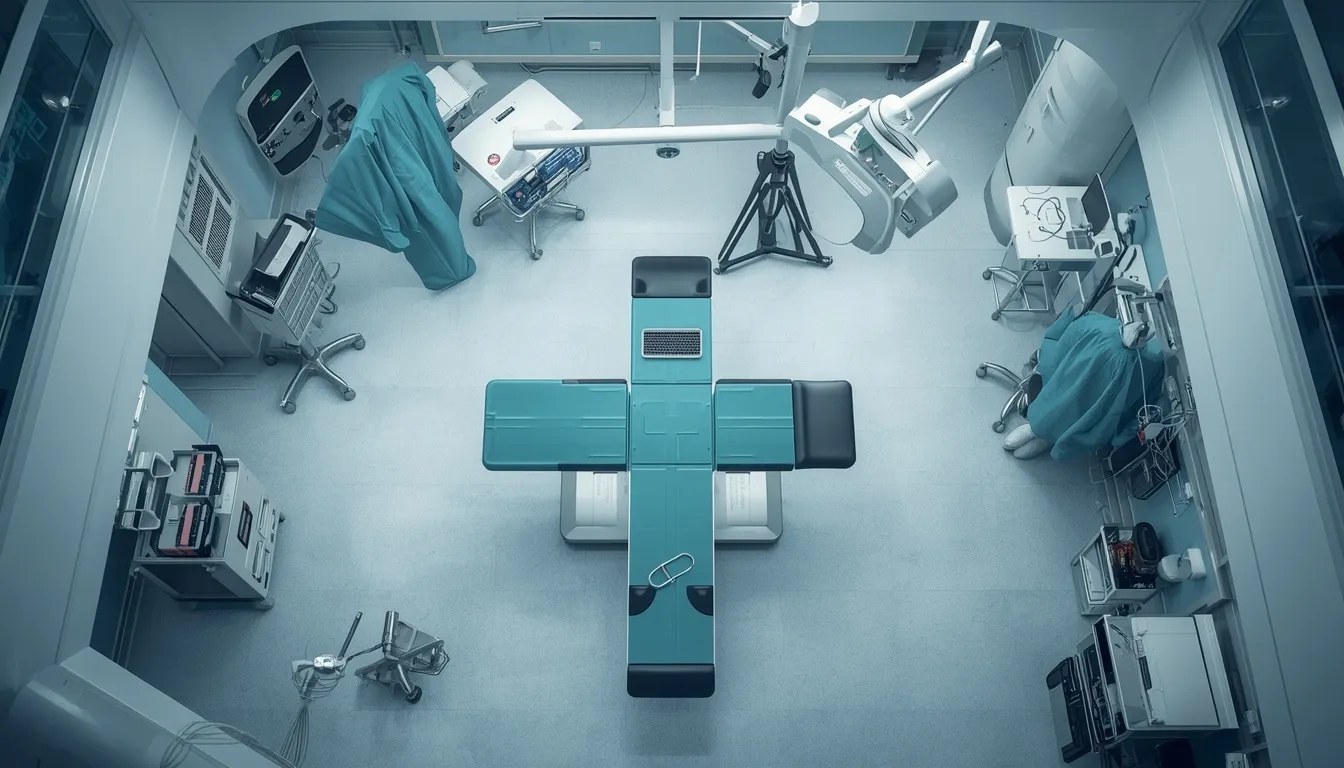

The modern operating room is built around precision, efficiency, and patient safety. Every piece of equipment—from surgical lights to imaging systems—plays a vital role in ensuring successful outcomes. Among these essential technologies, the Operation theatre table in india has undergone significant advancements over the past decade. What was once a manually operated platform has evolved into an intelligent surgical support system capable of meeting the demands of today's complex procedures.
One of the most notable developments in this evolution is the electro-hydraulic OT table. Combining the strength of hydraulic mechanisms with the precision of electronic controls, these tables have become the preferred choice for hospitals, specialty surgical centers, and multispecialty operating rooms. Their ability to provide smooth positioning, enhanced stability, and greater versatility is helping surgical teams perform procedures with improved accuracy and confidence.
The Evolution of Surgical Tables
Earlier generations of operating tables relied heavily on manual or basic hydraulic adjustments. While functional, they often required physical effort to reposition patients, interrupted surgical workflow, and offered limited flexibility for advanced procedures.
As healthcare technology progressed, hospitals began adopting motorized and electro-hydraulic systems designed to simplify patient positioning and support a broader range of surgical specialties. Today, electro-hydraulic OT tables represent a balance between mechanical reliability and electronic precision, making them well suited for the fast-paced environment of modern operating rooms.
What Is an Electro-Hydraulic OT Table?
An electro-hydraulic OT table uses electrically controlled hydraulic mechanisms to adjust various sections of the table. Surgeons and operating room staff can make smooth, precise movements using handheld controllers or integrated control panels without manually repositioning the patient.
Depending on the model, these tables typically offer:
- Height adjustment
- Trendelenburg and reverse Trendelenburg positioning
- Lateral tilt
- Backrest and leg section articulation
- Longitudinal sliding
- Memory positioning functions
- Battery backup for uninterrupted operation
These capabilities allow surgical teams to achieve optimal patient positioning quickly while minimizing disruptions during procedures.
Why Precision in Patient Positioning Matters
Accurate patient positioning is one of the foundations of successful surgery. Even slight adjustments can significantly improve access to the surgical field, enhance visibility, and reduce physical strain on the surgical team.
Electro-hydraulic OT tables allow precise positioning with minimal effort, helping surgeons maintain optimal working angles throughout the procedure. This is particularly valuable during minimally invasive, orthopedic, neurosurgical, cardiovascular, and laparoscopic surgeries, where positioning directly influences procedural success.
The ability to make smooth, controlled adjustments without disturbing the patient contributes to improved surgical precision and workflow efficiency.
Enhanced Stability During Complex Procedures
Modern surgeries often involve sophisticated equipment, advanced imaging systems, and delicate instruments that require a stable operating platform.
Electro-hydraulic OT tables are engineered with robust structural designs capable of supporting a wide range of patient weights while maintaining exceptional stability. Reduced vibration and controlled movement help create a secure environment for surgeons performing intricate procedures.
This level of stability becomes increasingly important during long-duration surgeries, where maintaining consistent patient positioning is essential for clinical accuracy.
Improved Workflow in the Operating Room
Efficiency inside the operating room has a direct impact on patient throughput and surgical outcomes.
Electro-hydraulic systems enable rapid and precise adjustments without interrupting the surgical process. Instead of manually repositioning patients, operating room staff can make real-time changes using electronic controls, allowing the surgical team to remain focused on the procedure.
The result is smoother workflow, shorter setup times, and greater operational efficiency.
For hospitals managing multiple procedures each day, these workflow improvements can contribute to better utilization of operating room resources.
Supporting Multiple Surgical Specialties
One of the primary reasons hospitals are choosing electro-hydraulic OT tables is their versatility.
A single table can often accommodate procedures across numerous specialties, including:
General Surgery
Provides flexible positioning for open and minimally invasive procedures.
Orthopedic Surgery
Supports traction attachments and specialized positioning accessories.
Neurosurgery
Offers exceptional stability for delicate neurological interventions.
Urology
Facilitates lithotomy positioning and precise patient alignment.
Gynecology
Enables smooth positioning adjustments for a variety of procedures.
This multi-specialty capability reduces the need for separate procedure-specific tables, improving equipment utilization and return on investment.
Integration with Modern Operating Rooms
Today's operating rooms are becoming increasingly interconnected, with surgical equipment designed to function as part of an integrated ecosystem.
Electro-hydraulic OT tables are compatible with a wide range of technologies, including imaging systems, surgical pendants, anesthesia workstations, and advanced visualization platforms.
When combined with best Operation theatre table solutions that work together seamlessly, hospitals can create ergonomic operating environments that support both clinical precision and surgical efficiency.
Proper integration minimizes equipment interference, improves accessibility around the patient, and contributes to a safer surgical workspace.
Improved Ergonomics for Surgical Teams
Surgeons often perform procedures lasting several hours, making ergonomics an important consideration.
Electro-hydraulic tables provide precise height adjustments and positioning flexibility that help reduce awkward postures and physical strain.
Improved ergonomics support better concentration, reduce fatigue, and allow surgeons to maintain consistent performance throughout lengthy operations.
Operating room staff also benefit from easier patient positioning, reducing the physical effort associated with manual adjustments.
Why Hospitals Are Choosing Fully Automatic Systems
As surgical demands continue to evolve, many healthcare providers are moving toward the best Operation theatre table in india for its advanced functionality and ease of use.
Fully automatic systems allow multiple positioning functions to be controlled electronically with minimal manual intervention. Features such as programmable memory positions, synchronized movement, battery operation, and intelligent safety mechanisms further enhance efficiency.
These capabilities help standardize workflows, reduce positioning errors, and improve consistency across different surgical teams.
While hospitals evaluate several factors before upgrading surgical infrastructure, fully automatic systems are increasingly viewed as long-term investments that support both clinical excellence and operational productivity.
Long-Term Value Beyond Initial Investment
Purchasing surgical equipment involves more than comparing initial costs.
Healthcare facilities now evaluate equipment based on long-term clinical value, reliability, maintenance requirements, and adaptability to future surgical needs.
Electro-hydraulic OT tables often deliver value through:
- Greater equipment longevity
- Reduced maintenance downtime
- Improved operating room efficiency
- Enhanced patient safety
- Support for multiple surgical specialties
- Compatibility with future technologies
These benefits contribute to a stronger return on investment over the equipment's lifecycle.
The Future of Surgical Positioning
Technology continues to reshape the operating room, and surgical tables are evolving alongside other advanced medical devices.
Future developments may include:
- Intelligent positioning assistance
- AI-supported workflow optimization
- Robotic surgery compatibility
- Enhanced digital connectivity
- Advanced safety monitoring systems
As operating rooms become smarter and more integrated, electro-hydraulic OT tables will continue to serve as a critical foundation for precision-driven surgical care.
Conclusion
The demands of modern surgery require equipment that delivers precision, stability, adaptability, and efficiency. Electro-hydraulic OT tables have emerged as the preferred choice because they address each of these requirements while supporting a broad range of surgical specialties.
From improving patient positioning and enhancing surgeon ergonomics to integrating seamlessly with advanced operating room technologies, these systems play a central role in modern healthcare delivery.
As hospitals continue investing in future-ready surgical infrastructure, combining a high-performance Operation theatre table with integrated Operation theatre table and lighting solutions and adopting a fully automatic OT table can help create safer, more efficient operating environments that benefit both clinicians and patients alike.

























Sign in to leave a comment.