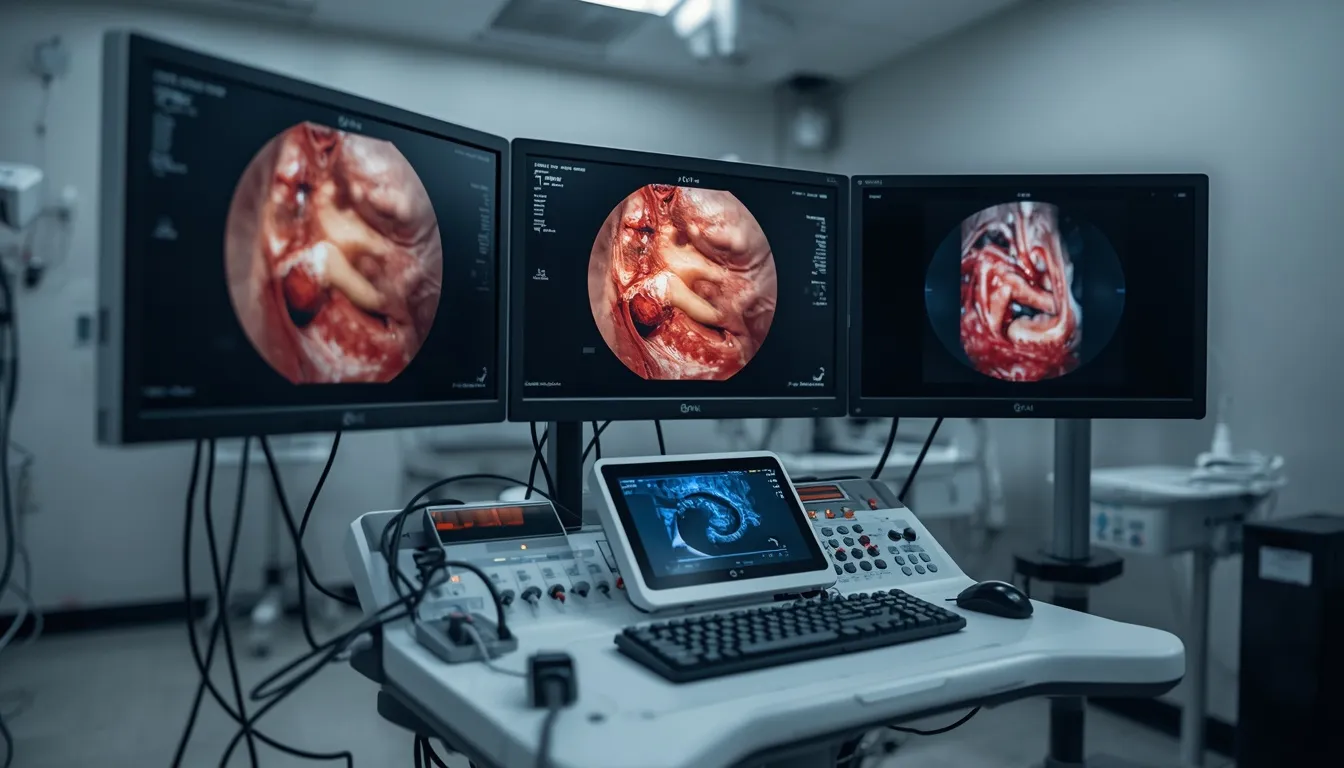

Operating rooms are among the most resource-intensive areas in any hospital. Every minute in the operating theatre matters—not only for surgeons and clinical teams but also for hospital efficiency, patient flow, and overall healthcare costs. As surgical procedures become increasingly complex, hospitals are constantly looking for technologies that can improve workflow without compromising patient safety.
One technology that has played a significant role in modern surgery is the electrosurgical generator. From controlling bleeding to enabling precise tissue dissection, electrosurgery has become an essential part of operating room practice. But an important question remains: Can advanced electrosurgical generators actually help reduce procedure time?
The answer is not as simple as yes or no. While no technology alone can determine surgical outcomes, advanced electrosurgical systems can certainly contribute to greater efficiency and smoother workflows in the operating room.
Why Procedure Time Matters
Reducing procedure time is important for several reasons.
Shorter and more efficient procedures can help hospitals:
- Improve operating room utilization
- Reduce scheduling delays
- Increase the number of procedures performed each day
- Lower overall operational costs
- Minimize fatigue among surgical teams
For patients, efficient procedures may also contribute to shorter anesthesia exposure and potentially faster recovery.
This is why hospitals continuously invest in technologies that help optimize surgical performance.
The Role of Electrosurgery in Modern Procedures
Electrosurgery uses high-frequency electrical energy to cut, coagulate, or seal tissue during surgery.
Today, an electrosurgical unit cautery machine is considered standard equipment in most operating rooms and is used across various specialties, including:
- General surgery
- Gynecology
- Urology
- ENT procedures
- Gastrointestinal surgery
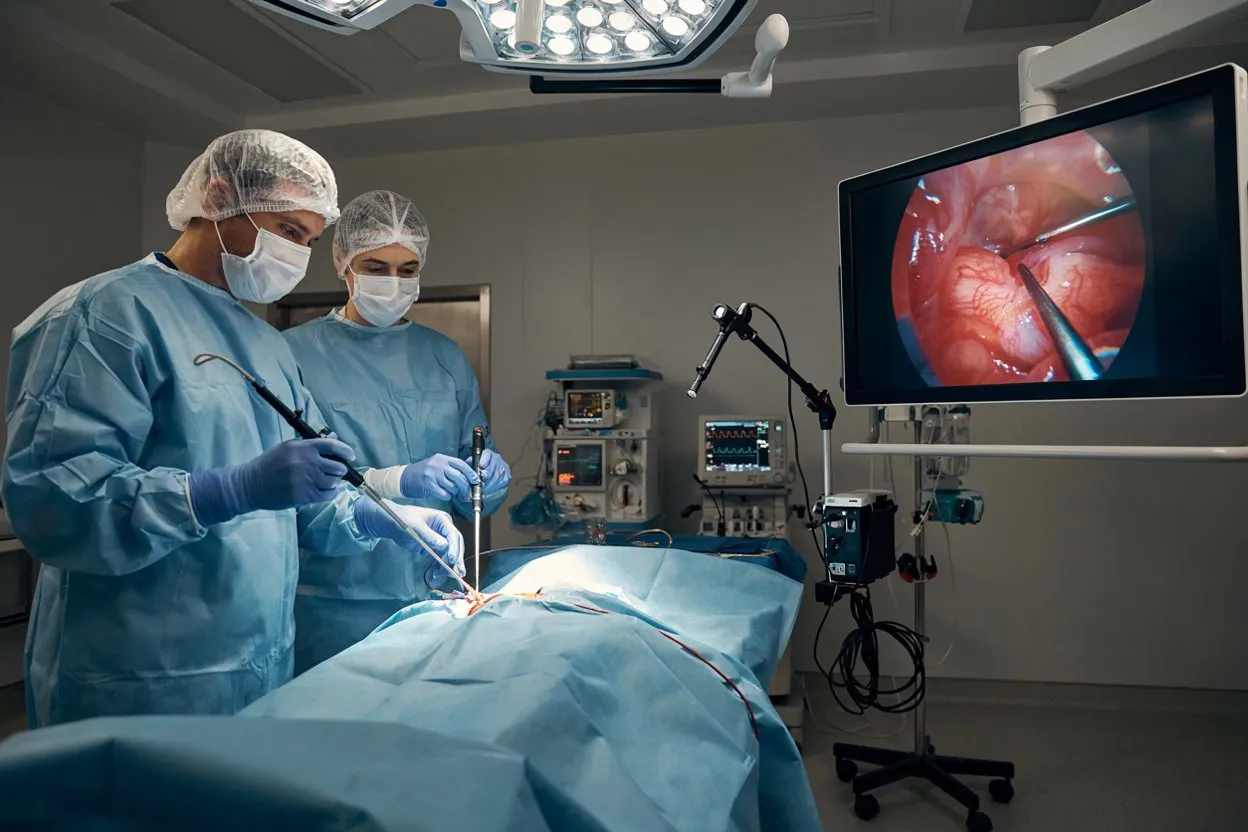
- Laparoscopic surgery
The ability to perform multiple functions using a single device has made electrosurgery an indispensable part of modern surgical practice.
How Advanced Electrosurgical Generators Improve Efficiency
Modern electrosurgical systems are significantly more advanced than earlier generations of equipment.
They are designed to provide greater precision, improved safety, and better workflow support.
Several features contribute to operating room efficiency.
Faster Tissue Dissection
Traditional surgical techniques may require multiple instruments to cut tissue and control bleeding separately.
Electrosurgery combines these functions into one process.
By cutting tissue and achieving hemostasis simultaneously, surgeons can often perform procedures more efficiently.
Better Bleeding Control
Maintaining a clear surgical field is essential during any procedure.
Excessive bleeding can reduce visibility and interrupt workflow.
Advanced electrosurgical generators provide precise energy delivery that helps control bleeding quickly and effectively.
This can reduce interruptions and allow surgeons to proceed with greater confidence.
Fewer Instrument Changes
Switching between multiple instruments during surgery can add time to a procedure.
Electrosurgical technology allows surgeons to perform different tasks using the same platform.
Reducing instrument exchanges may seem like a small advantage, but over the course of a complex procedure, these efficiencies can become significant.
The Importance of Precision
Modern surgery increasingly demands precision.
Minimally invasive procedures and advanced surgical techniques require accurate tissue management and controlled energy delivery.
Today's systems incorporate technologies that adjust energy output according to tissue response, helping surgeons achieve more predictable results.
This precision can contribute to:
- Better procedural flow
- Improved visibility
- Reduced interruptions
- Greater surgeon confidence
All of these factors indirectly support operating room efficiency.
Supporting Minimally Invasive Surgery
Minimally invasive procedures have become increasingly common because of their benefits for patients and healthcare providers.
These procedures require technologies that can work effectively within small surgical spaces.
An advanced electrosurgical unit monopolar bipolar system can provide precise energy delivery and controlled coagulation, making it particularly useful in delicate surgical applications.
Reliable energy control helps surgeons work efficiently while maintaining excellent visibility throughout the procedure.
As minimally invasive techniques continue to evolve, advanced energy platforms are becoming even more important.
Can Technology Reduce Surgeon Fatigue?
Long and demanding procedures can contribute to physical and mental fatigue among surgical teams.
When equipment performs consistently and efficiently, surgeons can focus more on the procedure itself rather than managing technical challenges.
Features such as:
- User-friendly interfaces
- Quick setting adjustments
- Reliable performance
- Consistent energy delivery
all contribute to a smoother surgical experience.
A well-designed electrosurgical unit brands can simplify workflow and help surgical teams maintain efficiency during complex procedures.
Improving Workflow Beyond the Procedure
The benefits of advanced electrosurgical systems extend beyond the actual surgical intervention.
Modern platforms often include features such as:
- Procedure presets
- Digital controls
- Multiple energy modes
- Enhanced safety monitoring
- Easy integration with operating room technologies
These capabilities can improve preparation times and simplify equipment management.
As operating rooms become more connected and technology-driven, integrated systems are playing a larger role in improving efficiency.
Does Reduced Procedure Time Mean Better Outcomes?
It is important to understand that shorter procedure times do not automatically guarantee better clinical outcomes.
Patient safety and surgical quality always remain the highest priorities.
However, technologies that support efficient workflows can provide several advantages:
- Reduced operating room bottlenecks
- Improved scheduling efficiency
- Better utilization of hospital resources
- Greater comfort for surgical teams
- Enhanced workflow consistency
Advanced electrosurgical generators should therefore be viewed as tools that support efficiency rather than technologies that simply aim to shorten procedures.
Factors Hospitals Should Consider
When evaluating electrosurgical systems, hospitals often look beyond power output and technical specifications.
Important considerations include:
Clinical Versatility
Can the system support multiple specialties?
Ease of Use
Is the interface intuitive and easy to operate?
Reliability
Will the system perform consistently during demanding procedures?
Safety Features
Does the platform include monitoring and protection technologies?
Future Readiness
Can it support evolving surgical techniques and operating room integration?
Choosing the right system involves balancing current clinical needs with long-term strategic goals.
The Future of Electrosurgery and Operating Room Efficiency
Electrosurgical technology continues to evolve.
Future innovations may include:
- Intelligent energy delivery systems
- Advanced tissue sensing technologies
- Artificial intelligence integration
- Smart operating room connectivity
- Automated procedural settings
These developments aim to improve both precision and efficiency while supporting increasingly complex procedures.
As hospitals continue to modernize their operating rooms, advanced electrosurgical generators will likely play an even greater role in helping surgical teams work more effectively.
Conclusion
Operating room efficiency depends on many interconnected factors, including surgical skill, workflow design, and technology. While advanced electrosurgical generators cannot single-handedly determine procedure times, they can contribute significantly to smoother workflows and improved efficiency.
From the versatility of an electrosurgical unit to the precision offered by an electrosurgical unit bipolar platform and the workflow benefits of a modern electrosurgical unit machine, today's energy systems are helping hospitals meet the growing demands of modern surgery.
Ultimately, investing in advanced electrosurgical technology is not only about adopting new equipment—it is about creating an operating environment that supports efficiency, precision, and high-quality patient care.






























Sign in to leave a comment.