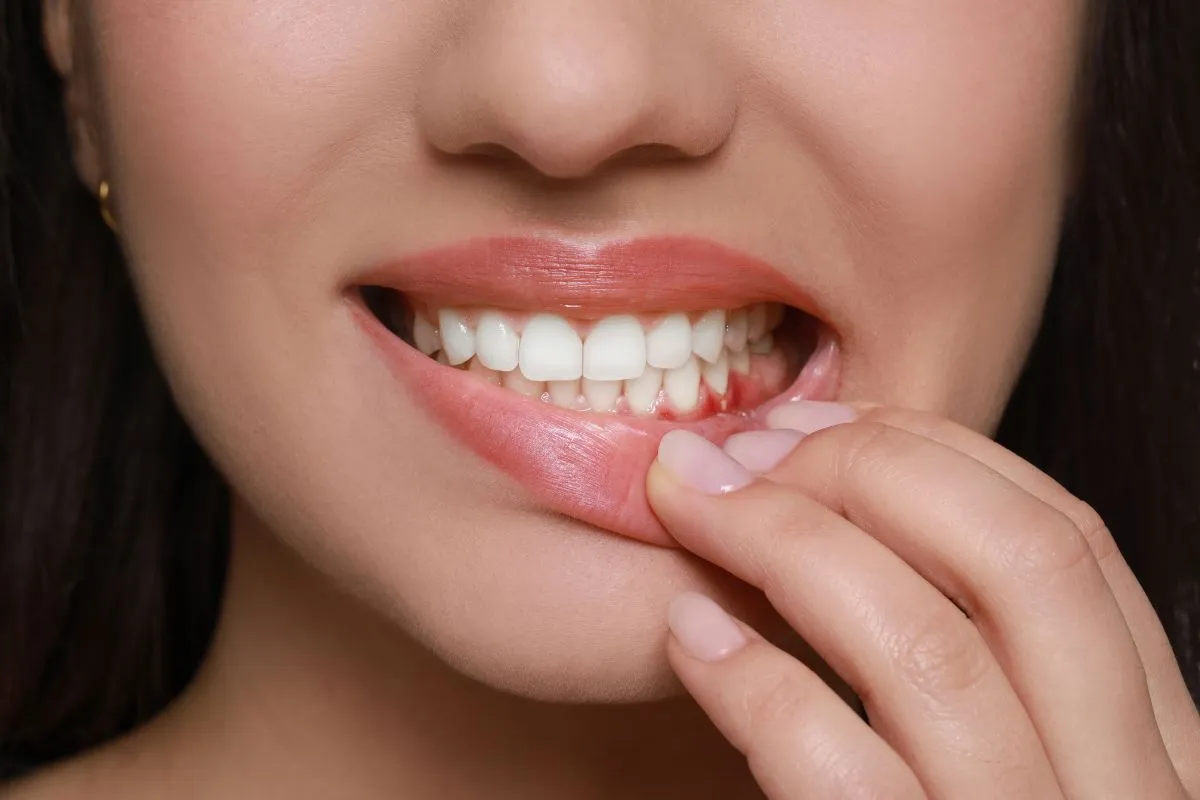

Most people assume their toothbrush is doing them a favor every time they use it — and it usually is. But brushing technique and tool choice can also be one of the quiet, everyday causes receding gums, especially when the habit has been repeated for years without anyone pointing it out.
The most common issue is simple: too much pressure. Many people believe that pressing harder gets teeth cleaner, but gum tissue is far more delicate than enamel. Over time, aggressive brushing — especially paired with a hard-bristled brush — wears away at the gumline, causing it to pull back and expose more of the tooth's root. This kind of recession tends to happen gradually, which is part of why it's so easy to miss until teeth start looking noticeably longer or become sensitive to cold.
Brushing technique matters just as much as pressure. A horizontal, back-and-forth scrubbing motion right at the gumline is a common habit that contributes to recession over the years, even when someone is being conscientious about brushing twice a day. Dentists generally recommend a gentler, angled motion that cleans effectively without dragging across the gum tissue itself. Switching to a soft-bristled brush and letting the bristles do the work, rather than pressing down hard, can make a noticeable difference over time.
Of course, your toothbrush isn't always the sole factor. Genetics play a role in how thick or thin your gum tissue naturally is, and thinner tissue is more prone to recession regardless of brushing habits. Teeth grinding, tobacco use, and even piercings near the mouth can also contribute. Gum disease itself is another major factor — inflammation and infection break down the tissue and bone that support your gums, causing them to recede independently of how you brush.
It's also worth noting that once gum tissue recedes, it doesn't grow back on its own the way some other tissues in the body can regenerate. That's why identifying the cause early, whether it's brushing habits or something else, is so important for preventing further loss. A dentist can look at the pattern of recession — is it isolated to one or two teeth, or spread evenly across your smile — to help pinpoint whether brushing technique, gum disease, or another factor is the main driver.
The fix is often more straightforward than people expect. A softer brush, a lighter touch, and a proper brushing angle can slow or stop recession caused by technique alone. For recession linked to gum disease or other issues, additional treatment may be needed to protect the roots and prevent further loss.
If you've noticed your gums pulling back or your teeth feeling more sensitive than usual, it's worth having it looked at before the recession progresses further.



























Sign in to leave a comment.