

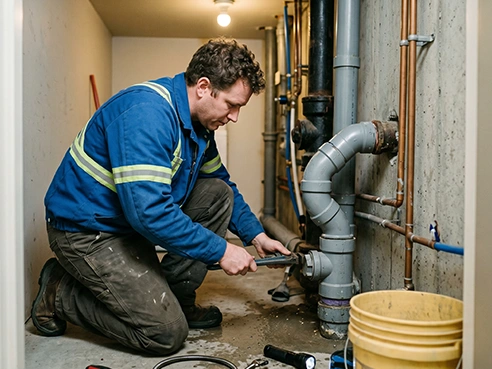
As cities continue to grow vertically, high-rise buildings have become an essential part of Toronto's skyline. From luxury condominiums and apartment towers to office buildings and mixed-use developments, these structures rely on sophisticated plumbing systems to provide clean water, remove wastewater, maintain fire protection, and support the daily needs of hundreds—or even thousands—of occupants.
Unlike residential homes, high-rise buildings require carefully engineered plumbing networks capable of delivering consistent water pressure across multiple floors while efficiently handling drainage and wastewater disposal. Without modern plumbing technology, issues such as low water pressure, leaks, sewer backups, and equipment failures could significantly disrupt building operations.
Today's high-rise plumbing systems combine advanced engineering, smart technologies, and preventive maintenance strategies to keep buildings operating efficiently, safely, and sustainably. In this article, we'll explore how modern high-rise plumbing works and why investing in professional plumbing maintenance is essential for long-term building performance.
Why High-Rise Plumbing Is More Complex Than Standard Plumbing
A single-family home typically has one water supply line and one drainage system. In contrast, a high-rise building must deliver water and remove wastewater across dozens of floors while maintaining consistent pressure and reliable performance.
Modern high-rise plumbing systems typically include:
- Domestic water supply systems
- Water storage tanks
- Booster pump systems
- Pressure zones
- Vertical water risers
- Drainage stacks
- Vent piping
- Hot water recirculation systems
- Fire suppression systems
- Backflow prevention devices
Each component plays an essential role in ensuring the building operates efficiently every day.
Maintaining Consistent Water Pressure with Booster Pumps
One of the biggest challenges in high-rise plumbing is delivering water to upper floors.
Without assistance, municipal water pressure is often insufficient to reach the highest levels of tall buildings.
Modern high-rise buildings use booster pump systems to maintain consistent pressure throughout the building.
Benefits of booster pumps include:
- Reliable water flow on every floor
- Improved shower and faucet performance
- Stable pressure during peak usage
- Reduced strain on plumbing fixtures
- Better system efficiency
Routine inspection and servicing of booster pumps help prevent unexpected water supply interruptions.
Pressure Zoning Improves System Performance
Supplying equal water pressure to every floor would place excessive stress on lower-level pipes while leaving upper floors under-supplied.
To solve this challenge, engineers divide buildings into pressure zones.
Each zone operates independently using:
- Pressure-reducing valves
- Booster pumps
- Separate piping sections
Pressure zoning helps:
- Prevent pipe damage
- Reduce water hammer
- Improve fixture performance
- Extend plumbing system lifespan
This design ensures balanced water pressure throughout the building.
Efficient Water Distribution Through Vertical Water Risers
Water risers are the primary pipelines that transport water vertically through the building.
Modern riser systems are designed to:
- Deliver consistent water supply
- Minimize pressure loss
- Improve reliability
- Reduce maintenance requirements
Many older Toronto buildings eventually require riser replacement due to corrosion or aging materials.
Replacing aging risers before they fail prevents costly water damage and emergency repairs.
Smart Water Monitoring Systems
Modern buildings increasingly use smart plumbing technologies to monitor system performance in real time.
Smart monitoring systems can track:
- Water consumption
- Pressure fluctuations
- Temperature changes
- Leak detection
- Equipment performance
When abnormal conditions occur, facility managers receive immediate alerts, allowing them to investigate problems before they become emergencies.
Benefits include:
- Lower water waste
- Reduced repair costs
- Faster response times
- Improved operational efficiency
Camera Drain Inspections Keep Drainage Systems Healthy
Drainage problems often develop slowly and remain hidden inside underground pipes.
Camera drain inspections allow plumbers to examine sewer lines and drain stacks without excavation.
These inspections identify:
- Pipe cracks
- Corrosion
- Tree root intrusion
- Grease buildup
- Pipe misalignment
- Blockages
- Collapsed sections
Early detection allows repairs to be scheduled before major failures occur.
Preventing Sewer Backups with Regular Drain Maintenance
High-rise buildings generate enormous amounts of wastewater every day.
Without routine maintenance, drain stacks can become blocked by:
- Grease
- Soap residue
- Hair
- Food waste
- Mineral deposits
- Foreign objects
Professional drain cleaning services, including hydro jetting, remove buildup and restore full pipe capacity.
Routine maintenance significantly reduces the risk of costly sewer backups affecting multiple units.
Hot Water Recirculation Improves Energy Efficiency
Residents expect hot water almost instantly.
Without recirculation systems, occupants may waste gallons of water waiting for hot water to reach fixtures.
Modern hot water recirculation systems continuously circulate heated water through the building.
Advantages include:
- Faster hot water delivery
- Reduced water waste
- Improved occupant comfort
- Lower utility costs
- Better energy efficiency
Backflow Prevention Protects Drinking Water
High-rise buildings contain complex water systems where pressure changes can occasionally cause contaminated water to flow backward into the potable water supply.
Backflow prevention devices protect occupants by preventing contamination.
Routine testing ensures:
- Safe drinking water
- Regulatory compliance
- Reliable operation
- Reduced health risks
Annual inspections are essential for maintaining these critical safety devices.
Leak Detection Technology Reduces Water Damage
Hidden plumbing leaks often cause extensive structural damage before becoming visible.
Modern leak detection equipment uses:
- Acoustic sensors
- Thermal imaging
- Pressure monitoring
- Moisture detection
- Smart sensors
These technologies help identify leaks behind walls, ceilings, and underground piping before major damage occurs.
Early leak detection protects:
- Building structure
- Electrical systems
- Interior finishes
- Resident property
Sustainable Plumbing Technologies
Modern high-rise buildings increasingly prioritize sustainability.
Water-saving plumbing technologies include:
- Low-flow fixtures
- Water-efficient toilets
- Motion-activated faucets
- Smart irrigation systems
- Energy-efficient water heaters
These upgrades reduce:
- Water consumption
- Utility costs
- Environmental impact
They also help buildings meet green building standards and sustainability goals.
The Importance of Preventive Plumbing Maintenance
Even the most advanced professional condo plumbing Torronto solutions requires regular maintenance.
Preventive maintenance programs typically include:
- Annual plumbing inspections
- Camera drain inspections
- Booster pump servicing
- Valve testing
- Water pressure testing
- Leak detection
- Drain cleaning
- Backflow testing
Routine maintenance extends equipment life while reducing emergency repair costs.
Benefits for Property Managers and Building Owners
Modern high-rise plumbing systems provide numerous long-term advantages.
These include:
- Reduced operating costs
- Fewer plumbing emergencies
- Better water efficiency
- Lower maintenance expenses
- Increased equipment lifespan
- Improved resident satisfaction
- Enhanced building safety
- Higher property value
Investing in preventive maintenance also makes budgeting more predictable by reducing the likelihood of unexpected, high-cost repairs.
Choosing an Experienced High-Rise Plumbing Contractor
High-rise plumbing requires specialized expertise that goes beyond standard residential plumbing.
When selecting a plumbing contractor, look for:
- Licensed and insured professionals
- Extensive experience with high-rise buildings
- 24/7 emergency response
- Camera drain inspection capabilities
- Booster pump expertise
- Preventive maintenance programs
- Compliance with Ontario Building Code
- Transparent pricing and detailed reporting
An experienced contractor can help keep your building's plumbing system operating efficiently while minimizing disruption to residents and tenants.
Conclusion
Modern high-rise plumbing systems are essential to the safe and efficient operation of today's multi-storey buildings. From booster pumps and pressure zoning to smart leak detection, camera drain inspections, and water-saving technologies, these advanced systems work together to deliver reliable water service, maintain proper drainage, and protect valuable infrastructure.
For property managers, condo boards, and building owners in Toronto and the Greater Toronto Area, investing in preventive maintenance and modern plumbing technology is one of the most effective ways to avoid costly repairs, improve operational efficiency, and extend the lifespan of the building's plumbing network. By partnering with an experienced high-rise plumbing contractor, you can ensure your building remains reliable, compliant, and comfortable for residents, tenants, and visitors for years to come.






















Sign in to leave a comment.