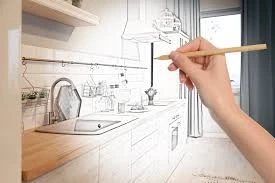

Renovations are exciting. They’re also messy, stressful, and—if you’ve ever watched The Block—likely to blow out your budget faster than a sausage sizzle on a hot Aussie weekend.
That’s why more homeowners are turning to design and build for renovations. Instead of hiring a designer first and then scrambling to find a builder who can actually execute that vision (without bankrupting you), the design and build model puts everything under one roof.
But is it really worth it for Australian homeowners who just want a smooth renovation? Or is it another industry buzzword designed to sound fancy?
Let’s break it down.
Quick Overview: Design and Build for Renovations at a Glance
If you’re short on time, here’s the bite-sized version 👇
- What it is: One team handles both the design and the construction of your renovation.
- The perks: Smoother communication, fewer delays, tighter cost control.
- The catch: You’re putting all your trust into one company, so choose carefully.
- Best for: Homeowners who want a more predictable, streamlined renovation without juggling multiple contractors.
👉 Want the full scoop? Keep reading—we’ll unpack the good, the bad, and the “wish someone told me that earlier” moments.
What Exactly is Design and Build for Renovations?
In the traditional model, you’d hire:
- An architect or designer to create your renovation plans.
- A builder to quote and construct those plans.
- Possibly a project manager to keep everyone from throwing hammers at each other.
With design and build, it’s different: you deal with one company that designs your project and then builds it. Think of it as ordering the burger and the fries from the same shop instead of walking between two restaurants.
The Process Looks Like This:
- Initial Consultation – Share your goals, ideas, and budget.
- Design Phase – The team creates concepts that align with both your vision and your wallet.
- Costing & Refinement – Costs are estimated early, so you’re not shocked later.
- Approvals & Planning – Council approvals, compliance, and paperwork handled.
- Construction – The same team builds the design they created.
Did You Know? In Australia, a big chunk of renovation blowouts happen because the design phase didn’t match the builder’s reality. The design and build model tackles this problem head-on.
Why Aussies Are Embracing Design and Build for Renovations
- Less Stress, More Clarity: You’re not the middleman between designer and builder.
- Budget Control: Early costing means fewer “Oh, by the way, this will be an extra $15k” surprises.
- Speed: Communication flows faster when one team owns the whole process.
- Accountability: No finger-pointing. One company is responsible for the final result.
- Customisation: You can still get a highly personalised renovation, without drowning in decision fatigue.
Humour moment: And let’s be honest—most Aussies don’t want to spend three months arguing about whether the wall came down because the architect miscalculated or the builder misread the plans. You just want your new kitchen finished before Christmas lunch.
The Challenges You Need to Know About
Of course, design and build isn’t all sunshine and perfectly aligned benchtops.
- Less Competitive Pricing: You don’t get multiple builder quotes, so trust in transparency is key.
- Design Limitations (Sometimes): Some firms lean heavier on the “build” side than the “design” side.
- Commitment: Once you choose, you’re married to that company until the project ends. (Unlike reality TV, no easy “vote them off the island” option.)
Pro Tip: Always check the portfolio of a design and build company. If all their “unique renovations” look suspiciously identical, you may be signing up for a cookie-cutter job.
Quick Guide: Deciding If Design and Build Is Right for You
The Situation:
You want to renovate your home, but the idea of juggling designers, builders, and approvals is giving you a headache before you’ve even picked paint colours.
Common Challenges:
- How do you know the builder won’t blow the budget?
- What if the design doesn’t match the site’s limitations?
- How do you keep communication clear without micromanaging?
How to Solve It:
- Ask About Their Process: A good firm will show you how they align design with cost.
- Check Council Experience: Renovations often need tricky approvals—make sure they know the ropes.
- Talk Timeline: Ask what happens if there are delays (because in construction, there will be).
- Set Your Priorities: Know what’s non-negotiable (e.g., bigger kitchen) vs. flexible (e.g., imported tiles).
Why It Works:
Clear upfront communication makes the design and build model thrive—and saves you from renovation regret.
👉 Thinking of starting soon? Write down your top three renovation goals before your first meeting.
Interactive Quiz: Is Design and Build Right for Your Renovation?
Tick your answers 👇
- Do you prefer one company handling both design and construction?
- Yes (streamlined = less stress)
- No (I enjoy chasing contractors in my spare time)
- Is budget certainty more important than comparing dozens of quotes?
- Yes
- No
- Do you want a faster, smoother renovation process?
- Yes
- No
Results:
- Mostly “Yes”: You’re likely a good fit for design and build.
- Mostly “No”: Traditional might be more your style—just stock up on coffee and patience.
Design and Build vs Traditional Renovation Approach
Feature
- Contact Point
- Cost Control
- Accountability
- Speed
- Stress Level
Design & Build
- One company
- Early, integrated costing
- Clear responsibility
- Generally faster
- Lower
Traditional Model
- Multiple parties
- Prone to blowouts
- Finger-pointing possible
- Slower due to handovers
- Higher (you’re the middleman)
Realistic Expectations Before You Start
- Budget Realism: Renovations nearly always uncover “surprises” (like pipes from the 70s). Design and build helps, but doesn’t eliminate them.
- Timeline: Expect delays for weather, approvals, or supply chain hiccups.
- Communication: Even with one team, you still need to stay involved and ask questions.
Did You Know? In Sydney and Melbourne, approval wait times can sometimes take longer than the actual build phase. That’s why many Aussies lean on design and build firms that handle paperwork efficiently.
FAQs About Design and Build Renovations
Q1: Is design and build more expensive than hiring separately?
Not always. While you lose the “quote comparison” game, the savings in reduced delays and variations can make it equal—or cheaper—overall.
Q2: Can I still bring my own designer?
Some firms allow it, but the true benefit of design and build is having one integrated team. Mixing can dilute the advantages.
Q3: How do I avoid hidden costs?
Ask for an inclusions list. This outlines exactly what’s covered—from flooring to light switches—so there are fewer nasty surprises.
Q4: Will I lose creative control?
No. A good design and build company works collaboratively with you to tailor the project. If they’re ignoring your ideas, they’re not the right fit.
Q5: How long does it take in Australia?
Small renovations might take 3–6 months. Larger projects, like full-home makeovers, can stretch closer to 12 months.
Conclusion: So, Is It Worth It?
If you want less stress, tighter cost control, and faster results, then yes—design and build is absolutely worth it for many Australian renovations.
It’s not a magic wand, though. You still need to pick the right company, stay engaged, and keep your budget grounded in reality. But for most homeowners, the streamlined approach is worth its weight in gold (and definitely less stressful than trying to be your own project manager).
👉 Thinking about a renovation? Start by researching design and build firms in your area, checking their portfolios, and asking the tough questions upfront. It might just be the smarter way to turn your “dream home” Pinterest board into reality.


































Sign in to leave a comment.