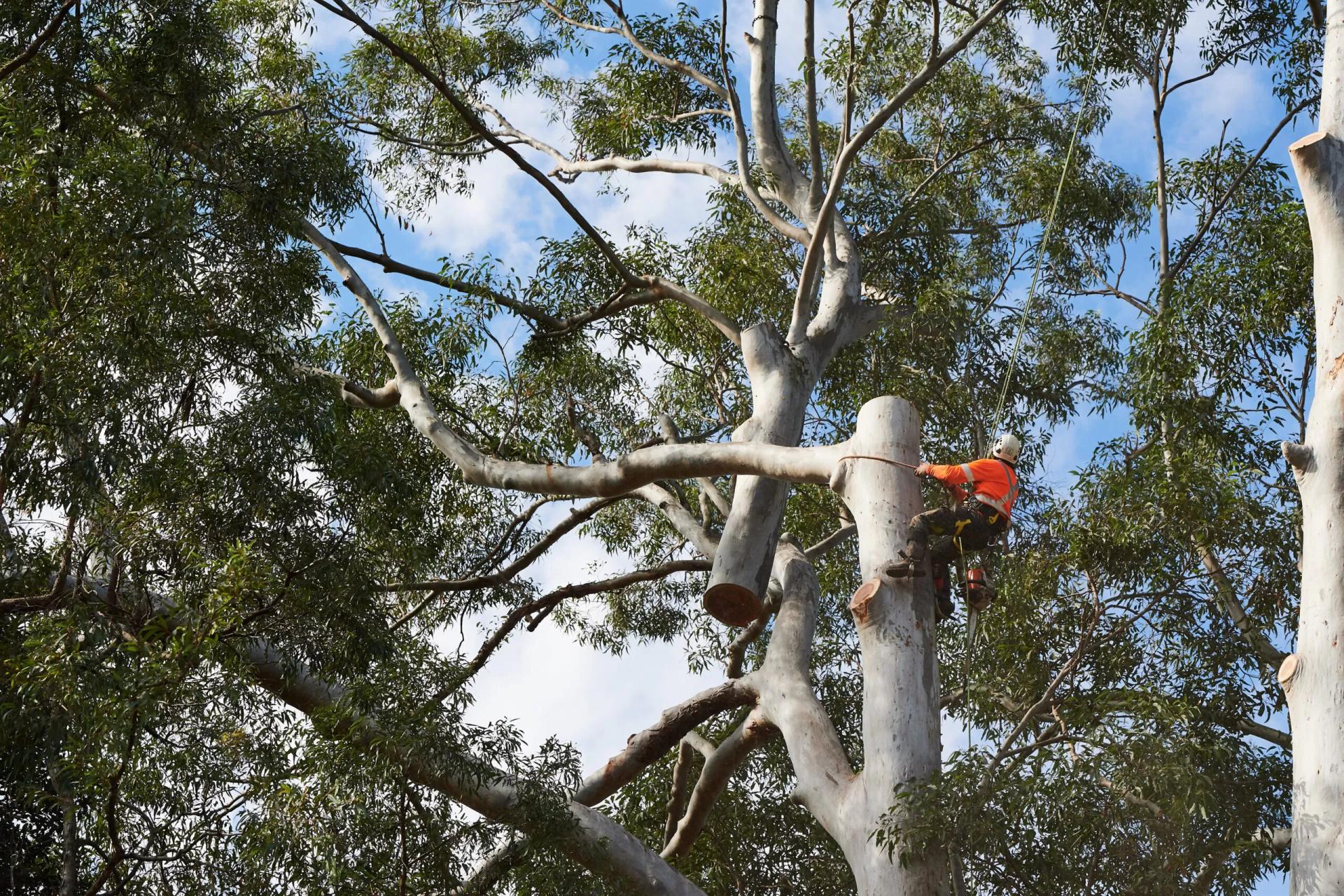

So, you’ve finally got your building project lined up. Plans approved, contractors ready, coffee machine installed on-site (the most crucial part, obviously). Then the council emails you: “Please submit a Tree Management Plan before approval can proceed.”
Cue the dramatic music.
But what exactly is a Tree Management Plan (TMP), and why does every Australian council seem so obsessed with them? The truth is, Tree Management Plans aren’t just bureaucratic red tape. They play a critical role in balancing development with environmental protection.
In this guide, we’ll unpack why councils require Tree Management Plans, what goes into them, and—most importantly—how you can get one approved without pulling your hair out.
Quick Overview: Tree Management Plans at a Glance
- What they are: A formal document outlining how existing trees on or near a development site will be assessed, protected, managed, or (if necessary) removed.
- Why councils need them: To safeguard significant vegetation, prevent unsafe tree removals, and keep developments compliant with planning laws.
- Who needs one: Builders, developers, homeowners renovating near trees, and sometimes even landscapers.
- What’s included: Arborist reports, protection measures, maps, and compliance strategies.
- The payoff: Approval delays avoided, fines prevented, and community/environmental goodwill earned.
👉 Want to dive deeper into each of these points? Keep reading—we’ll break it down step by step.
What Is a Tree Management Plan? (And Why Should You Care?)
A Tree Management Plan (TMP) is a council-mandated document that outlines the fate of trees on or near a proposed development site. It’s basically your development’s “tree bible.”
Think of it this way:
- The builder’s Bible = The construction plans.
- The council’s Bible = The zoning codes.
- The tree’s Bible = The Tree Management Plan.
TMPs ensure that development doesn’t come at the cost of ripping out valuable native trees, endangering wildlife, or leaving a neighbourhood looking like a car park.
Why Do Councils Insist on Tree Management Plans?
Australian councils require TMPs for a mix of environmental, safety, and compliance reasons:
- Environmental Protection
- Native species like gums, paperbarks, and wattles aren’t just trees—they’re ecosystems.
- Removing them without a plan can disrupt local wildlife (and get you fined).
- Urban Cooling & Amenity
- Trees reduce the “heat island effect” in cities. Councils like keeping suburbs leafy, not toasty.
- Risk Management
- Without proper planning, tree roots can damage foundations, or poorly cut branches can pose hazards.
- Compliance with State and Local Laws
- Councils follow environmental planning instruments (EPIs). TMPs prove you’re playing by the rules.
Did You Know?
Some Australian councils will fine you over $10,000 for removing or damaging a protected tree without approval. Suddenly, the TMP doesn’t sound so bad, right?
What’s Inside a Tree Management Plan?
A well-prepared TMP isn’t just “we’ll keep the gum tree and chop the rest.” It’s a structured report prepared by a qualified arborist. Typical contents include:
- Tree survey & assessment – Every tree gets a VIP profile: species, age, health, and significance.
- Impact analysis – Will construction damage roots or canopy?
- Protection measures – Barriers, fencing, root protection zones.
- Management strategies – How trees will be monitored during and after construction.
- Removal/Replacement details – If removal is unavoidable, councils usually want replacements or offsets.
Common Mistakes People Make with TMPs
Here’s where it gets fun (and sometimes expensive).
- Waiting too late – Submitting a TMP after starting construction = guaranteed delays.
- DIY approach – Councils can sniff out non-arborist reports faster than a koala finds eucalyptus.
- Ignoring root zones – “We’ll just pave over them, what’s the worst that can happen?” Answer: cracked concrete and council rage.
- Thinking one-size-fits-all – Each council has slightly different requirements. Copy-paste won’t cut it.
Pro Tip: Always check your local council’s development control plan (DCP). Requirements in Sydney might not match those in Melbourne.
Quick Guide: How to Get a Tree Management Plan Approved
Let’s walk through this as if you’re about to start your dream development (or just want to finally build that pool).
The Situation
You’ve got a large gum tree on-site. The builder says, “Should be fine.” The neighbour says, “If you touch it, I’ll call council.” You need a plan—literally.
Common Challenges
- Do you actually need a TMP for your project?
- What if the tree is diseased or dangerous?
- How long does council approval take?
How to Solve It
1. Engage an Arborist Early: A Level 5 AQF-qualified arborist is your best friend here. They know council lingo.
2. Get a Detailed Tree Survey: The more professional and comprehensive, the faster approval goes through.
3. Follow Council Guidelines Exactly: Each council usually publishes its own requirements. Deviate at your own peril.
4. Show Willingness to Offset: If removal is unavoidable, offer replanting or compensatory planting. Councils love this.
Why It Works
This approach ticks all the council boxes, demonstrates good faith, and speeds up approval. Instead of fighting city hall, you’re working with them.
👉 Need help drafting your plan? A qualified arborist can save you time, money, and stress.
Interactive Section: Test Your Tree Knowledge
Here’s a quick Tree Management Quiz for you:
Q1: What’s the average fine for removing a protected tree without approval?
- A) $500
- B) $5,000
- C) $10,000+
Q2: Which of these is not typically part of a TMP?
- A) Tree survey
- B) Arborist’s favourite coffee order
- C) Root protection zones
Q3: True or False: All councils in Australia have the exact same TMP requirements.
(Answers at the bottom of this post!)
Council Approval: How Long Does It Really Take?
Here’s the million-dollar question (or at least the several-thousand-dollar one).
- Typical timeframe: 2–6 weeks depending on the council workload.
- Factors that slow it down:
- Missing information.
- Community objections (yes, the neighbour who “loves that tree” can stall you).
- Requests for additional environmental studies.
Pro Tip: Submit the TMP with your initial development application (DA). This saves weeks of back-and-forth.
FAQs: Tree Management Plans in Australia
Q1. Do I need a TMP for small residential projects?
Yes, if trees are within certain distances or are listed as “protected.” Even a pergola near a tree might trigger it.
Q2. How much does a Tree Management Plan cost?
On average, between $500–$2,000, depending on site size and complexity. Big developments can cost more.
Q3. Can I remove a tree if it’s dangerous without a TMP?
In urgent cases (e.g., immediate risk of collapse), councils may allow emergency removal. Always document with photos and notify council ASAP.
Q4. What’s the difference between an Arborist Report and a TMP?
- Arborist Report: Assessment of a tree’s health/condition.
- TMP: Action plan for managing that tree during development.
Q5. Do replacement trees have to be the same species?
Not always. Councils often prefer native, sustainable species but may allow alternatives.
Conclusion: Playing It Smart with Tree Management Plans
At the end of the day, a Tree Management Plan isn’t there to make your life difficult—it’s there to protect Australia’s leafy heritage, keep developments safe, and help projects run smoothly.
Yes, it may feel like one more hoop to jump through, but with the right arborist and the right approach, you can turn it from a hassle into a ticked box on your way to project approval.
So, next time the council says, “Where’s your Tree Management Plan?”—you’ll know exactly what to do (and maybe even enjoy a smug little smile while handing it over).
Quiz Answers
- Q1: C) $10,000+
- Q2: B) Arborist’s favourite coffee order
- Q3: False





























Sign in to leave a comment.