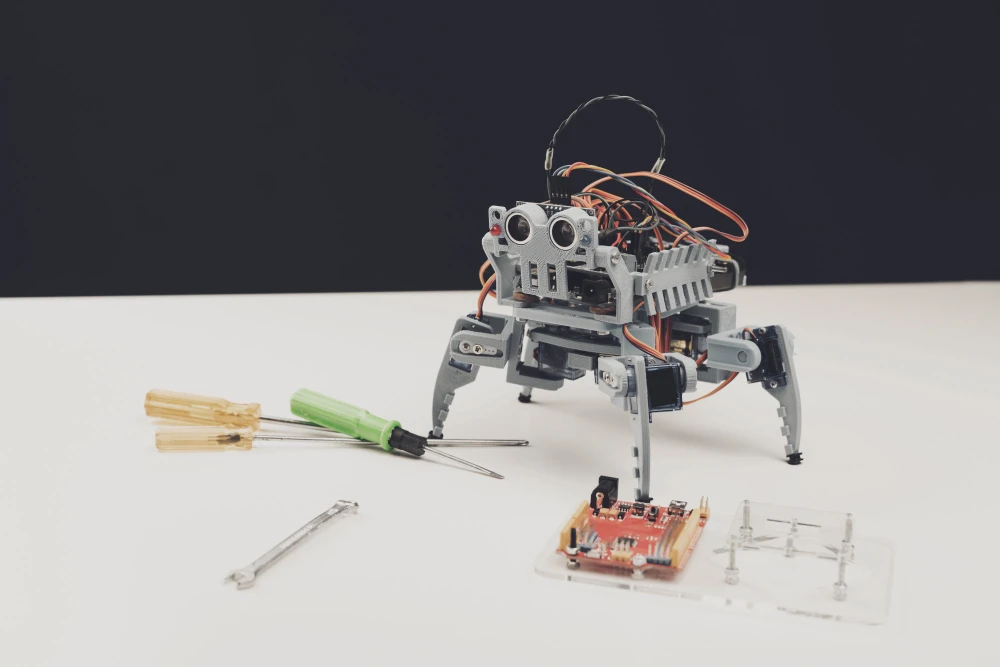

The rapid growth of technology has opened the door for anyone to explore the fascinating world of robotics and intelligent systems. What once required advanced engineering knowledge and expensive equipment can now be achieved with compact, affordable tools. Raspberry Pi has become a powerful platform that allows beginners and professionals alike to design and build intelligent machines capable of performing real-world tasks.
Understanding the Role of Raspberry Pi in Robotics
A raspberry pi robot kit provides everything needed to start building intelligent machines from scratch. It combines a Raspberry Pi board with essential components such as sensors, motors, and connectors, enabling users to create functional robots with ease. This setup not only simplifies the process but also encourages experimentation with both hardware and software.
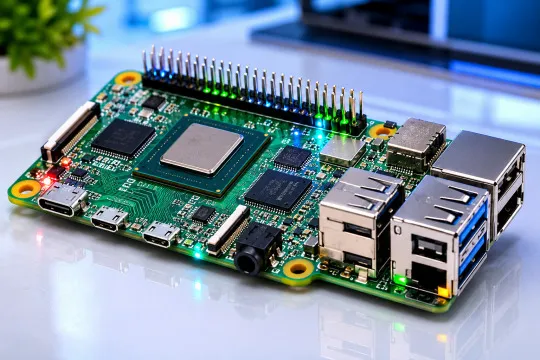
Raspberry Pi acts as the brain of the system, processing inputs from sensors and executing commands based on programmed logic. This makes it an ideal platform for creating machines that can think, react, and adapt to their environment.
Key Components of Intelligent Machines
Designing an intelligent machine requires an understanding of the components that bring it to life. Each part plays a critical role in ensuring smooth operation and functionality:
- Processing Unit: The Raspberry Pi board handles computation and decision-making.
- Sensors: These collect data from the environment, such as distance, light, temperature, or motion.
- Actuators and Motors: Enable physical movement and actions based on programmed instructions.
- Power Supply: Ensures that all components receive consistent energy for operation.
- Communication Modules: Allow devices to connect via Wi-Fi, Bluetooth, or other protocols.
- Chassis and Structure: Provide the physical framework that supports all components.
By integrating these elements, you can create machines that respond intelligently to their surroundings.
Steps to Design and Build Your Machine
Creating an intelligent machine with Raspberry Pi involves a structured yet flexible approach. Breaking the process into manageable stages helps simplify development:
- Define the Purpose: Decide what your machine should do, such as navigation, monitoring, or automation.
- Assemble the Hardware: Connect the Raspberry Pi with motors, sensors, and other components.
- Set Up the Software: Install the operating system and required programming tools.
- Develop the Code: Write scripts that control how the machine behaves based on input data.
- Test and Improve: Continuously test the system, identify issues, and refine performance.
This approach ensures a smooth workflow from concept to execution.
Benefits of Building Intelligent Machines
Working on Raspberry Pi-based projects offers numerous benefits that go beyond just technical knowledge:
- Hands-On Learning: Gain practical experience in electronics, programming, and system design.
- Problem-Solving Skills: Learn how to troubleshoot and optimize your projects.
- Creativity and Innovation: Turn ideas into real, functional machines.
- Career Opportunities: Build skills relevant to fields like robotics, AI, and IoT.
- Cost-Effective Development: Experiment without the need for expensive equipment.
These advantages make Raspberry Pi an excellent tool for both beginners and advanced learners.
Real-World Applications
Intelligent machines built with Raspberry Pi can be applied in various real-world scenarios. You can design robots that automate household tasks, monitor environmental conditions, or assist in security systems. In education, these machines serve as practical tools for teaching STEM concepts.
In industrial settings, similar technologies are used for automation, predictive maintenance, and data collection. By starting with small projects, you can gradually build the skills needed to work on more complex systems.
Customization and Expansion
One of the most exciting aspects of using Raspberry Pi is the ability to customize and expand your projects. You can enhance your machine by adding advanced features such as cameras for image recognition, voice modules for interaction, or cloud connectivity for remote control.
The modular nature of Raspberry Pi allows you to upgrade components and experiment with new ideas continuously. This flexibility ensures that your projects evolve along with your skills and creativity.
Overcoming Common Challenges
Building intelligent machines can come with challenges, especially for beginners. Issues such as wiring errors, software bugs, or compatibility problems are common. However, these challenges are part of the learning process and help build resilience and technical expertise.
To overcome these obstacles, it is important to follow best practices, test components individually, and seek help from online communities and tutorials. The Raspberry Pi community is vast and supportive, making it easier to find solutions and inspiration.
Why Raspberry Pi Is Ideal for Beginners
Raspberry Pi stands out as a beginner-friendly platform due to its affordability, accessibility, and extensive documentation. It supports multiple programming languages, including Python, which is easy to learn and widely used in robotics and AI.
Additionally, the availability of tutorials, forums, and open-source projects makes it easier to get started and progress quickly. Whether you are building a simple robot or an advanced intelligent system, Raspberry Pi provides the tools and support needed to succeed.
Conclusion
Designing and building intelligent machines with Raspberry Pi is a rewarding journey that combines creativity, learning, and innovation. From understanding the basics of hardware and software to developing fully functional systems, every step offers valuable insights and skills.
By starting with simple projects and gradually exploring more advanced features, you can unlock endless possibilities in robotics and automation. With dedication and curiosity, Raspberry Pi can help you transform ideas into intelligent machines that make a real impact.





























Sign in to leave a comment.