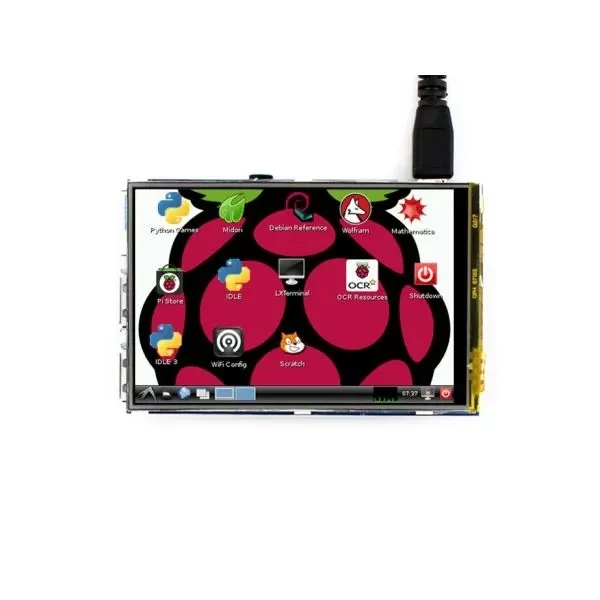

The world of Raspberry Pi technology continues to evolve rapidly, and with it, the expectations for display solutions are also rising. As creators, developers, and hobbyists demand more versatility, clarity, and performance, Raspberry Pi displays are becoming more advanced than ever. From high-resolution touchscreens to energy-efficient panels built for continuous operation, the future of these displays is moving toward smarter, more connected, and more immersive experiences. Understanding what lies ahead helps you choose the right setup and ensures your projects stay future-ready.
Growing Demand and Advancements in Display for Raspberry Pi
As Raspberry Pi devices become more powerful with each new generation, the need for equally capable display solutions is increasing. A Display for Raspberry Pi is no longer seen as just an accessory; it is becoming a core component for building interactive dashboards, home automation systems, IoT control panels, AI vision setups, portable gadgets, and even compact entertainment units. The push for sleeker designs, enhanced touch responsiveness, and better outdoor visibility means the future displays will be more durable, more intelligent, and more adaptable. Whether used for professional prototyping or personal DIY projects, the next wave of displays will focus on improved efficiency and smoother user experiences.
Trend Toward Higher Resolution and Better Visual Quality
The shift toward high-resolution screens is unmistakable. Future Raspberry Pi displays are expected to embrace Full HD and 4K compatibility for sharper graphics and more detailed interfaces. This will especially benefit creators working with complex GUIs, media centers, and AI vision projects. With vibrant colors, wider viewing angles, and advanced IPS technology, users will enjoy more professional-grade visuals in compact screen sizes. High brightness and anti-glare options will further support outdoor and industrial applications.
Rise of Touch and Gesture-Based Interactions
Touchscreens have already made substantial progress, but the next chapter will focus on multi-touch precision, reduced latency, and more intuitive interactions. With UI design becoming more sophisticated on Raspberry Pi OS and third-party platforms, displays will support gestures like pinch-to-zoom, swipe navigation, and customizable virtual buttons. Future innovations may also integrate gesture recognition technology without physical contact, opening doors to hygiene-friendly controls in healthcare, manufacturing, and public use systems.
Enhanced Connectivity and Plug-and-Play Experience
Seamless connectivity is becoming a priority. Future Raspberry Pi displays will likely incorporate universal driver support, simplified installation, and plug-and-play interfaces through HDMI, USB-C, GPIO, or hybrid ports. USB-C in particular is expected to dominate as it offers power, touch, and display output through a single cable. Wireless display casting and Bluetooth input compatibility may also emerge as standard features, enabling smoother integration with modern IoT ecosystems.
More Energy-Efficient and Durable Screens
As sustainable technology grows in importance, Raspberry Pi displays will adopt more energy-efficient LED panels and optimized backlighting systems. Low-power e-paper and reflective displays, although niche today, are gaining popularity for dashboards and signage that require continuous uptime with minimal energy consumption. Industrial-grade durability with scratch-resistant glass, waterproofing, and improved thermal management will also become more common for rugged environments.
AI-Optimized and Smart Displays
Artificial Intelligence will influence the future of Raspberry Pi displays in significant ways. Built-in AI processing for facial recognition, motion tracking, content optimization, and adaptive brightness could become mainstream. Smart displays that automatically adjust layout or UI depending on user behavior, ambient lighting, or usage context are also on the horizon. This intelligent adaptation will make Raspberry Pi displays more responsive, interactive, and capable of learning from real-world conditions.
Conclusion
The future of Raspberry Pi displays promises a blend of clarity, intelligence, durability, and seamless interaction. With advancements in resolution, touch performance, connectivity, energy efficiency, and AI integration, developers will have more powerful tools to bring their ideas to life. Whether you are building smart home devices, robotics interfaces, or media experiences, the next generation of Raspberry Pi displays will empower you to design more immersive and efficient solutions.




























Sign in to leave a comment.