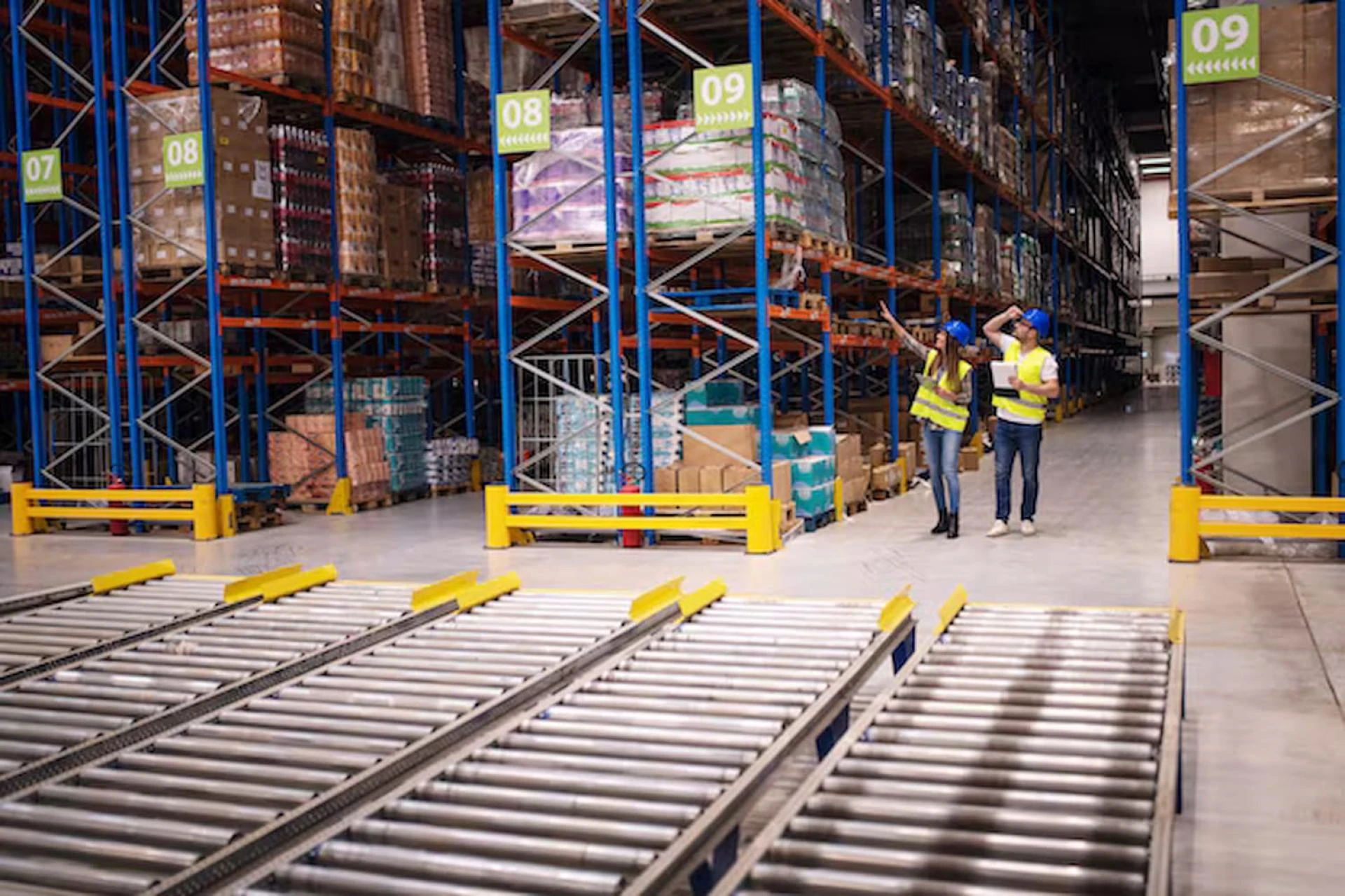

Efficient warehouse design plays a critical role in ensuring smooth operations, optimal space utilisation, and long term productivity. As storage demands continue to grow, businesses are increasingly adopting high density storage solutions to maximise their available space. One of the most effective solutions in this category is the drive in pallet racking system. This system is specifically designed to handle bulk storage while minimising aisle space and improving overall efficiency.
Understanding the design essentials of a drive in pallet racking system is important for achieving safe, reliable, and high performing storage operations. Every aspect of the system, from structural layout to equipment compatibility, must be carefully planned to ensure optimal performance. This article explores the key design considerations that define an efficient drive in pallet racking system.
Understanding the Drive In Pallet Racking System
Basic Design Concept
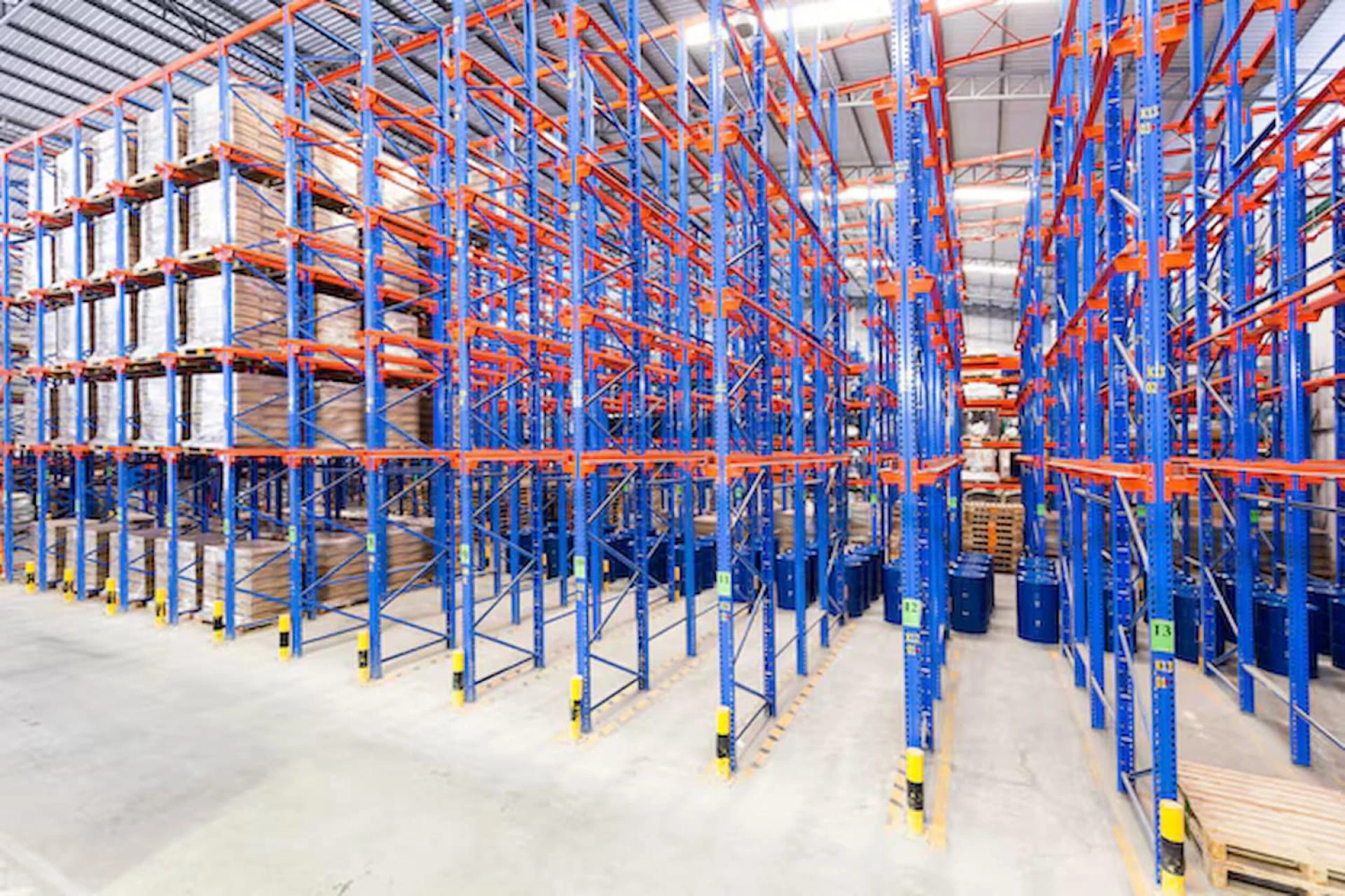
A drive in pallet racking system is designed to store pallets in deep lanes, allowing forklifts to drive directly into the structure for loading and unloading. This eliminates the need for multiple aisles and creates a compact storage environment. The design focuses on maximising both horizontal and vertical space within the warehouse.
The system uses rails on either side of the lane to support pallets, ensuring stability during storage. This structure allows multiple pallets to be stored in sequence, making it ideal for bulk storage applications. The design concept prioritises space efficiency while maintaining accessibility for handling equipment.
Importance of Proper Design Planning
Proper planning is essential to ensure that a drive in pallet racking system meets operational requirements. Factors such as inventory type, pallet size, and handling frequency must be considered during the design phase. A well planned system ensures smooth workflow and reduces the risk of operational issues.
Design planning also helps in identifying potential challenges and addressing them in advance. This includes considerations for safety, equipment movement, and load capacity. A thoughtful approach to design ensures that the system performs efficiently over time.
Structural Design Components
Upright Frames and Load Bearing Capacity
Upright frames form the backbone of a drive in pallet racking system. They provide vertical support and ensure that the structure can handle heavy loads. The design of these frames must consider the weight of stored goods and the overall height of the system.
Strong and durable materials are used to construct upright frames, ensuring long term stability. Proper load distribution across the frames is essential to prevent structural failure. This makes it important to follow design specifications and safety standards.
Rails and Support Systems
Rails are a key component of a drive in pallet racking system, as they support the pallets within each lane. These rails must be precisely aligned to ensure smooth placement and retrieval of pallets. They are designed to withstand repeated loading and unloading operations.
Support systems, including braces and connectors, add stability to the structure. These elements ensure that the racking system remains secure during operation. Proper installation and alignment of rails and supports are critical for maintaining efficiency and safety.
Lane Design and Layout Planning
Determining Lane Depth and Width
The depth and width of lanes are important factors in the design of a drive in pallet racking system. Lane depth determines how many pallets can be stored in each row, while width must accommodate the movement of forklifts.
Choosing the right dimensions ensures efficient use of space while allowing safe equipment operation. The design should balance storage capacity with accessibility to maintain smooth workflow. Proper lane design contributes significantly to overall system performance.
Optimising Warehouse Layout
An optimised layout is essential for maximising the benefits of a drive in pallet racking system. The arrangement of lanes, entry points, and storage zones must be carefully planned to support efficient operations. A well organised layout reduces congestion and improves productivity.
Layout planning also involves considering traffic flow and equipment movement. Clear pathways and logical storage zones help in maintaining order and efficiency. This ensures that the warehouse operates smoothly even during peak activity.
Equipment Compatibility
Selecting the Right Forklifts
A drive in pallet racking system requires forklifts that are capable of operating within narrow lanes. These machines must be designed for precision and stability to ensure safe handling of pallets. Choosing the right equipment is essential for efficient operation.
Forklifts used in this system must have appropriate dimensions and control features. This ensures that they can navigate the lanes without causing damage to the racking structure. Equipment compatibility plays a key role in overall system performance.
Importance of Operator Efficiency
Operator efficiency is an important consideration in the design of a drive in pallet racking system. Skilled operators can handle equipment more effectively, reducing the risk of errors and accidents. Proper training ensures that operators understand the system and its requirements.
Efficient operators contribute to faster loading and unloading processes. This improves productivity and ensures that the system operates at its full potential. Training and experience are essential for achieving optimal results.
Safety Considerations in Design
Structural Safety Measures
Safety is a critical aspect of any warehouse storage system. A drive in pallet racking system must be designed with strong structural components to ensure stability. This includes using high quality materials and following established safety standards.
Protective elements such as guards and barriers can be added to reduce the risk of damage from equipment. Regular inspections and maintenance further enhance safety. A well designed system ensures secure storage and safe operations.
Preventing Equipment Damage
The design of a drive in pallet racking system should minimise the risk of equipment damage. Proper alignment of lanes and rails helps in preventing collisions and ensuring smooth movement. Clear visibility and adequate lighting also contribute to safe operation.
Designing for safety reduces downtime and maintenance costs. It also creates a safer working environment for personnel. Preventive measures are essential for maintaining long term efficiency.
Inventory Management Considerations
Supporting Storage Strategies
A drive in pallet racking system is best suited for specific inventory strategies. It is commonly used for bulk storage where large quantities of similar products are stored together. This simplifies inventory handling and improves efficiency.
The system typically supports a last in first out approach, which aligns with its design. Proper planning ensures that inventory is organised effectively. This helps in maintaining control and reducing errors.
Managing Stock Rotation
Stock rotation is an important factor in warehouse operations. While a drive in pallet racking system is naturally suited for certain methods, it can be adapted with proper planning. This ensures that products are stored and retrieved in an organised manner.
Effective stock rotation helps in maintaining product quality and meeting operational requirements. It also reduces waste and improves overall efficiency. Careful planning is essential for successful inventory management.
Space and Efficiency Optimisation
Maximising Storage Density
One of the primary goals of a drive in pallet racking system is to maximise storage density. By reducing aisle space and increasing lane depth, the system allows more pallets to be stored within the same area. This leads to efficient use of available space.
High density storage is particularly beneficial for warehouses with limited space. It allows businesses to handle larger inventories without expanding their facilities. This makes the system a valuable solution for space optimisation.
Improving Operational Flow
A well designed drive in pallet racking system improves the flow of operations within the warehouse. By organising storage in a structured manner, it reduces unnecessary movement and enhances efficiency. This leads to faster handling of goods.
Improved operational flow contributes to better productivity and reduced costs. It ensures that resources are used effectively and that the warehouse operates smoothly. Efficient design plays a key role in achieving these benefits.
Maintenance and Long Term Performance
Importance of Regular Inspections
Regular inspections are essential for maintaining the performance of a drive in pallet racking system. These inspections help identify any signs of wear or damage, allowing for timely repairs. This ensures that the system remains safe and reliable.
Inspection routines should include checking structural components, rails, and connections. A proactive approach to maintenance helps in preventing major issues. It also extends the lifespan of the system.
Ensuring Durability Over Time
Durability is an important consideration in the design of a drive in pallet racking system. Using high quality materials and proper installation techniques ensures long term performance. A durable system can handle the demands of daily operations without frequent issues.
Maintenance practices such as cleaning and component checks further enhance durability. This ensures that the system continues to operate efficiently over time. Long term performance is essential for achieving a good return on investment.
Conclusion
A well planned drive in pallet racking system is a powerful solution for warehouses seeking high density storage and efficient operations. From structural components to layout design and equipment compatibility, every element plays a crucial role in ensuring optimal performance. Understanding these design essentials helps businesses create a system that meets their specific needs and supports long term growth.
By focusing on safety, efficiency, and proper planning, a drive in pallet racking system can deliver significant benefits in terms of space utilisation and operational productivity. It is particularly suitable for businesses handling large volumes of similar products and looking to optimise their storage capabilities.
Dalvie Systems offers reliable and innovative solutions that enable businesses to design and implement an effective drive in pallet racking system, ensuring efficient storage and long term success.























Sign in to leave a comment.