
Indian weddings are deeply rooted in tradition, emotion, and personal expression. Among all bridal fashion choices, the lehenga continues to hold a timeless place for modern brides. Whether you are planning a grand palace wedding, an intimate ceremony, or a contemporary celebration, choosing the right designer bridal lehenga requires more than selecting a beautiful outfit. It involves understanding craftsmanship, silhouette, fabric, color psychology, embroidery styles, comfort, and long-term value.
Today’s brides are looking for outfits that blend heritage with individuality. From classic red ensembles to pastel couture pieces, the market for wedding lehengas for women has evolved significantly. Designers are experimenting with handwoven textiles, intricate embellishments, and structured tailoring to create lehengas that feel luxurious yet personal.
This guide explores everything brides should know before investing in a luxury bridal lehenga.
Understanding What Makes a Bridal Lehenga Luxurious
A luxury lehenga is not defined only by heavy embroidery or a high price point. True luxury lies in craftsmanship, fabric quality, detailing, fit, and exclusivity. Hand embroidery techniques such as zardozi, dabka, resham, mirror work, and gota patti often require hundreds of artisan hours. Premium fabrics like silk, velvet, organza, tissue, and handwoven brocade also elevate the overall look and feel.
Luxury bridal wear is designed to create visual impact while maintaining balance and elegance. The finishing of the blouse, lining comfort, flare structure, and dupatta drape all contribute to the final experience.
Brands like Raw Mango have helped redefine bridal fashion by introducing handwoven textiles and understated luxury into the Indian wedding market. Their approach highlights how craftsmanship and textile heritage can become the focal point instead of excessive embellishment.
Choosing the Right Lehenga Silhouette
Not every bridal lehenga suits every body type or wedding function. Understanding silhouettes helps brides make practical and flattering choices.
Circular Lehenga
This is the classic bridal silhouette with dramatic flare and volume. It works beautifully for traditional weddings and creates a regal presence during bridal entry moments.
A-Line Lehenga
An A-line lehenga gradually widens toward the hem and suits most body types. It offers elegance without overwhelming the frame.
Panelled Lehenga
This style includes multiple fabric panels stitched together to create movement and dimension. It is often lighter and easier to carry for long wedding functions.
Mermaid or Fishtail Lehenga
Fitted through the waist and hips, this silhouette highlights curves and creates a modern couture-inspired appearance.
Sharara Inspired Lehenga
Brides seeking fusion aesthetics often choose flared sharara styles combined with bridal embroidery and contemporary cuts.
The ideal silhouette should complement not only your body type but also the venue, weather, and movement requirements during ceremonies.
Selecting the Perfect Fabric
Fabric determines how a lehenga falls, photographs, and feels throughout the event.
Silk
Silk remains one of the most popular bridal fabrics because of its rich texture and natural sheen. Banarasi silk lehengas are especially valued for traditional weddings.
Velvet
Velvet creates a royal appearance and works best for winter weddings. It adds depth to darker bridal tones like maroon, emerald, and wine.
Organza
Lightweight yet structured, organza is ideal for brides who want volume without excessive weight. It creates a soft, romantic look.
Georgette and Crepe
These fabrics are lighter and more fluid, making them practical for destination weddings and extended celebrations.
Tissue and Brocade
These heritage fabrics offer a festive and luxurious appearance while maintaining strong traditional appeal.
Many brides now prefer combining multiple fabrics within a single lehenga to create texture and contrast.
Bridal Colors Beyond Traditional Red
While red remains iconic, modern bridal fashion embraces a wider color palette.
Red and Maroon
These timeless shades symbolize prosperity, celebration, and tradition.
Pastels
Powder pink, ivory, mint, peach, and lavender have become popular for daytime weddings and destination ceremonies.
Jewel Tones
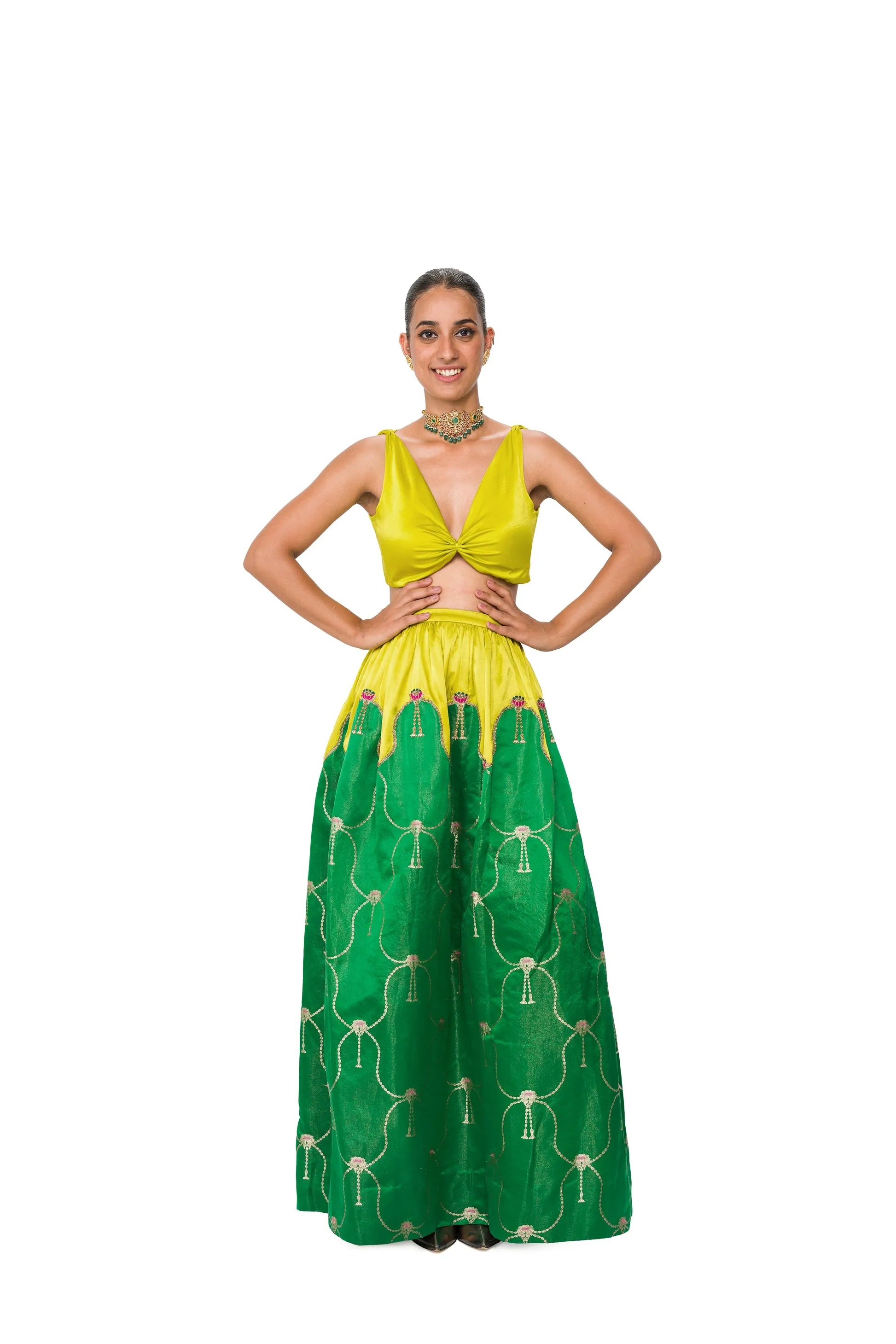
Emerald green, sapphire blue, plum, and deep wine create bold and sophisticated bridal looks.
Gold and Champagne
Neutral metallic tones photograph beautifully and work well with antique embroidery techniques.
Dual Tone Lehengas
Contemporary brides increasingly choose layered colors and ombre effects for added dimension.
The choice of color should align with skin tone, wedding decor, season, and personal style rather than trends alone.
Importance of Craftsmanship and Embroidery
Embroidery defines the visual richness of a bridal lehenga. Different techniques create different moods and levels of grandeur.
- Zardozi adds royal metallic detailing
- Mirror work creates festive sparkle
- Thread embroidery offers subtle sophistication
- Sequins enhance evening wear glamour
- Gota patti introduces Rajasthani heritage aesthetics
- Pearl embellishments create softer contemporary luxury
Handcrafted embroidery typically carries higher value than machine work because of the detailing and artisan involvement. Brides investing in a luxury bridal lehenga often prioritize craftsmanship over trend-driven surface embellishment.
Practical Factors Brides Often Overlook
Many brides focus only on appearance and forget functionality. Comfort matters significantly during long wedding ceremonies.
Weight Management
Extremely heavy lehengas can become difficult to manage for extended periods. Consider balance between grandeur and wearability.
Blouse Fitting
The blouse should allow movement, support, and comfort while maintaining structure.
Dupatta Styling
Multiple dupattas may look visually stunning but should be manageable throughout rituals and photography sessions.
Seasonal Suitability
Velvet and layered embroidery may feel uncomfortable during summer weddings, while lightweight fabrics may not provide enough structure for winter ceremonies.
Reusability
Some brides now choose modular bridal pieces that can later be styled separately for festive occasions.
Bridal Styling and Accessories
The lehenga forms the foundation of the bridal look, but styling completes it.
- Statement necklaces pair well with deep neck blouses
- Matha pattis and passa jewelry enhance traditional aesthetics
- Belts help define the waist and support dupatta draping
- Embroidered veils add dramatic bridal impact
- Minimal makeup often complements heavily embroidered outfits better
Brides should ensure that jewelry and makeup enhance the lehenga rather than compete with it visually.
Budgeting for a Designer Bridal Lehenga
Designer bridal wear exists across multiple price ranges. Factors influencing cost include fabric sourcing, embroidery hours, designer reputation, customization, and exclusivity.
Before purchasing:
- Set a realistic overall wedding fashion budget
- Include alteration and styling costs
- Research fabric authenticity
- Ask about delivery timelines
- Schedule fittings early
Many brides also explore heirloom inspired designs that retain long term sentimental and aesthetic value.
Conclusion
Choosing the perfect wedding lehenga for women is a deeply personal journey that combines tradition, identity, craftsmanship, and comfort. A thoughtfully selected designer bridal lehenga is more than a wedding outfit. It becomes part of memories, photographs, family history, and cultural celebration.
From silhouettes and fabrics to embroidery techniques and styling details, every element contributes to the final bridal look. Modern brides are increasingly drawn toward pieces that balance heritage artistry with contemporary elegance, making the world of luxury bridal lehenga design more diverse than ever before.
Fashion houses like Raw Mango continue to influence bridal fashion by celebrating Indian textiles, hand craftsmanship, and understated sophistication, reminding brides that timeless elegance often lies in authenticity rather than excess.


















Sign in to leave a comment.