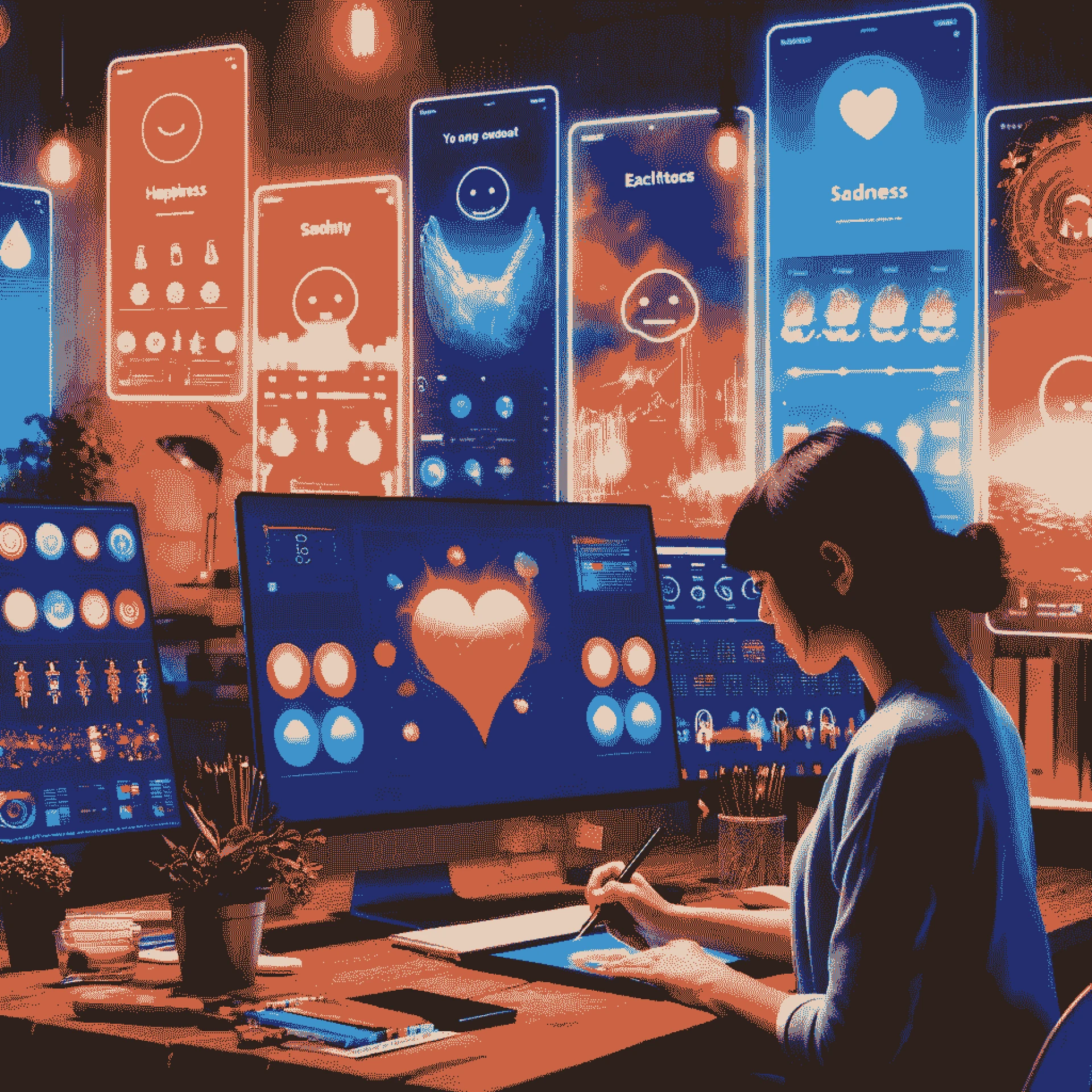

In the vast and ever-evolving landscape of UX/UI design, where functionality meets the eye, there lies a potent yet often underutilized tool that can significantly enhance user engagement and brand loyalty: emotional design.
By integrating storytelling elements into UX/UI design, designers can create more than just user-friendly interfaces; they can evoke emotions and forge deeper connections with users.
This article explores the nuances of designing for emotions through UX/UI design storytelling, offering a comprehensive guide to creating memorable and engaging user experiences.
The Power of Emotional Design
Emotional design aims to elicit specific feelings in users, making their interaction with a product more enjoyable, effective, and memorable.
Don Norman, the pioneer of emotional design, categorizes these user-product interactions into three levels: visceral, behavioral, and reflective. Each level is crucial in how users perceive and connect with a product.
Visceral DesignThis is about the initial impression a product makes on users. It's the look and feel of the product that can attract or repel users at first glance. In digital terms, this could relate to a website or app's color scheme, typography, and overall aesthetics.
Behavioral DesignBehavioral design focuses on a product's usability, pleasure, and effectiveness. It's about how things work and how easy it is for users to accomplish their goals.
Reflective DesignReflective design involves the product's overarching impact on the user, including the satisfaction of owning or interacting with it and how it aligns with the user's values. This level of design can influence long-term attitudes towards a product.
Integrating Storytelling into UX/UI Design
Storytelling in UX/UI design is not about crafting fictional narratives but rather about using design elements to create a coherent and appealing story about the product. It's the narrative that unfolds through the user interface and user experience design.
Understanding Your AudienceBefore effectively designing for emotions, you need to understand who you are planning for. Create detailed user personas that outline your users' goals, motivations, pain points, and emotional triggers. This knowledge will guide your design decisions and help you craft a story that resonates.
Setting the Tone with Visual DesignThe visual design sets the stage for your story. Use colors, images, and typography that align with the emotional tone of the story you want to tell. For example, a health app might use calming blues and greens to evoke a sense of wellness and tranquility.
Creating Engaging ContentContent is a crucial element of storytelling. Your content's language, tone, and pace should reflect the emotions you want to evoke. Use copy that engages users, speaks to their needs, and enhances the narrative journey within the app or website.
Designing Intuitive InteractionsEvery user interaction with your product adds a line to your story. Design these interactions to be intuitive and rewarding. Include micro-interactions that delight users and enrich the narrative, such as subtle animations or feedback loops.
Mapping the Emotional JourneyDesign the user journey to reflect the emotional arc you want your users to experience. This journey should have a clear beginning, middle, and end. The beginning should hook the users, the middle should build engagement through interaction, and the end should satisfy them.
Case Studies: Storytelling in Action
Let's examine a couple of case studies to understand better how emotional storytelling can be integrated into UX/UI design.
Case Study 1: A Wellness AppA wellness app uses storytelling to guide users through a personal health and wellness journey. The app asks users to input their wellness goals and current health stats. Based on this information, it creates a personalized storyline, represented visually through calming colors and motivational messages that change as the user progresses toward their goals. Each interaction is designed to feel rewarding, with positive reinforcement through cheerful animations and progress trackers that illustrate their story of transformation.
Case Study 2: An E-commerce WebsiteAn e-commerce website selling bespoke handcrafted goods uses storytelling to create a narrative around the artisans behind the products. Each product page features a short story about the artisan who made the item, including photos and a video of their crafting process. This narrative approach enhances the user experience by creating a connection between the artisan and the buyer but also adds value to the products and encourages higher engagement and conversion rates.
Incorporating storytelling into UX/UI design is a powerful strategy to engage users deeply emotionally.
By designing for the three levels of emotional interaction—visceral, behavioral, and reflective—and integrating a coherent narrative throughout the user journey, designers can create experiences that are not only functional but also emotionally resonant.
This approach enhances user satisfaction and loyalty and differentiates products in a crowded market. Remember, the goal of emotional design in UX/UI is to create experiences that users will remember, cherish, and share.






















Sign in to leave a comment.