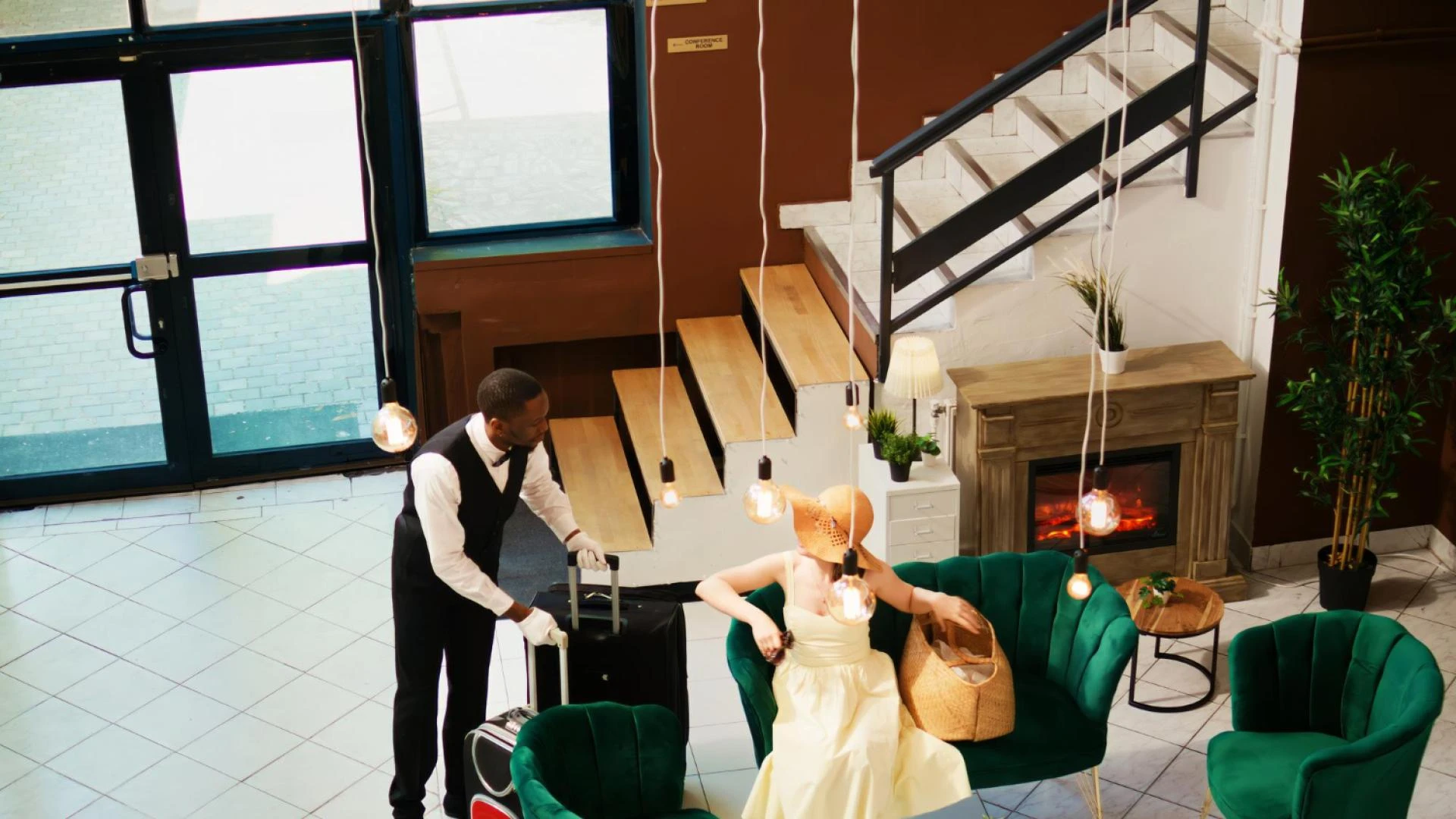

In hospitality, first impressions are not just important. They are everything. The moment a guest walks into a hotel lobby, restaurant, café, or resort, they begin forming opinions. The lighting, seating layout, textures, acoustics, and flow of movement all influence how they feel. Great hospitality spaces are not accidental. They are carefully crafted by a professional hospitality interior design company that understands how design shapes experience.
Unlike residential or standard commercial spaces, hospitality environments must do more than look attractive. They must tell a story, support operations, encourage comfort, and create moments guests want to return to.
Why hospitality design is different
Hospitality interiors operate at the intersection of aesthetics and performance. A restaurant may look beautiful, but if the seating is uncomfortable or service flow is disrupted, guests will not come back. A hotel may have luxurious finishes, but if lighting feels harsh or navigation is confusing, the overall experience suffers.
A specialised hospitality interior design company focuses on three critical pillars:
- Guest experience
- Operational efficiency
- Brand identity
Balancing these elements requires strategic planning, not just creative styling.
Designing for emotion and memory
Hospitality spaces are emotional spaces. People visit them to relax, celebrate, socialise, or escape routine. Interior design influences mood through subtle elements such as:
- Warm versus cool lighting
- Open versus intimate seating layouts
- Soft textures versus sleek finishes
- Background acoustics and sound control
- Colour psychology and spatial proportions
A thoughtfully designed café might use warm tones and layered lighting to encourage longer stays. A luxury hotel might incorporate statement art and dramatic materials to create a sense of arrival. These decisions are rarely random. A skilled hospitality interior design company translates brand personality into physical space.
Space planning that supports service
Behind every smooth guest experience is a well-planned operational layout. In restaurants, kitchen placement, waiter pathways, and table spacing affect service speed. In hotels, reception placement, lift access, and luggage flow influence efficiency.
Poor planning can result in crowded waiting areas, delayed service, or noise spilling into quiet zones. That is why professional designers conduct workflow studies before finalising layouts. They ensure staff movement is efficient without interfering with guest comfort.
For example:
- Dining tables should feel private but not isolated
- Bar counters should allow both social interaction and quick service
- Hotel lobbies should manage check-ins without congestion
Good hospitality design works silently in the background.
Materials that balance durability and elegance
Hospitality interiors face heavy daily use. Chairs are constantly moved, floors endure high footfall, and surfaces require frequent cleaning. Materials must be durable, easy to maintain, and aligned with the brand aesthetic.
A hospitality interior design company typically selects finishes based on long-term performance, not just visual appeal. This may include:
- Commercial-grade fabrics for upholstery
- Scratch-resistant laminates and treated wood
- Anti-slip flooring for safety
- Acoustic panels to control noise
- Moisture-resistant materials for kitchens and restrooms
Designing for longevity reduces maintenance costs and keeps the space looking fresh even after years of use.
Creating a strong brand identity through interiors
Hospitality spaces are extensions of a brand story. Whether the concept is modern luxury, heritage charm, industrial chic, or tropical relaxation, the design must communicate it clearly.
Brand identity can be reflected through:
- Signature colour palettes
- Custom furniture pieces
- Unique lighting installations
- Locally inspired materials or artwork
- Consistent design language across different areas
Consistency builds recognition. Guests should feel a cohesive identity from the entrance to the smallest corner of the space.
Flexibility for changing trends
The hospitality industry evolves quickly. Seasonal menus, themed events, and shifting consumer preferences require adaptable spaces. Flexible furniture layouts, modular elements, and reconfigurable seating areas allow businesses to update their ambience without complete renovations.
A forward-thinking hospitality interior design company plans for adaptability. This ensures the space can evolve while maintaining its core identity.
The long-term value of strategic hospitality design
Investing in professional hospitality design is not just about creating an Instagram-worthy backdrop. It is about increasing guest satisfaction, encouraging repeat visits, improving operational efficiency, and strengthening brand perception.
When design supports both experience and performance, the result is a space that feels effortless to guests but works intelligently behind the scenes.
In a competitive hospitality market, thoughtfully designed interiors are no longer optional. They are a strategic advantage. Partnering with an experienced hospitality interior design company can transform a simple venue into a memorable destination that guests return to again and again.




























Sign in to leave a comment.