

Construction and interior projects in India often start with excitement and end with stress. Not because people lack vision, but because execution can quickly become complicated. Multiple vendors, unclear timelines, material delays, and quality gaps can turn a straightforward project into months of follow-ups. That is why many homeowners, business owners, and brands now prefer working with turnkey contractors in India.
A turnkey model is designed to simplify the entire journey. One team takes responsibility for planning, coordination, execution, and handover, so you do not have to manage ten different people to get one project finished.
What does “turnkey” actually mean?
In simple terms, turnkey means you receive a ready-to-use space at the end of the project. The contractor handles everything required to deliver it, from start to finish.
While the exact scope varies, most turnkey contractors in India typically manage:
- Site assessment and feasibility planning
- Civil work and partitions
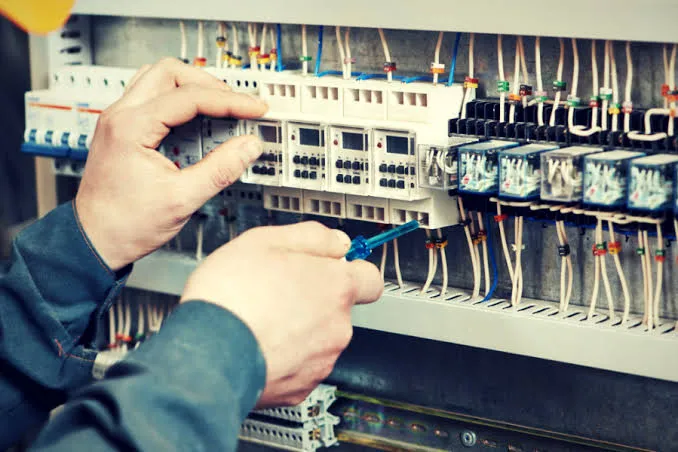
- Electrical, plumbing, and HVAC coordination
- Flooring, ceilings, painting, and finishing
- Carpentry, furniture, fixtures, and installation
- Procurement and vendor management
- Quality control and project timelines
- Final handover and snag closure
Instead of coordinating separate teams for civil work, electrical, carpentry, and finishing, you deal with one accountable partner.
Why the turnkey model works well in India
India’s project environment has unique challenges: multiple trades working together, changing costs, supply variations, and frequent on-site decisions. When roles are fragmented, accountability becomes unclear.
Turnkey contractors solve this by creating a single point of responsibility. That brings some major benefits.
1) One timeline, one team, fewer delays
With multiple vendors, a delay from one party affects everyone. Turnkey execution follows a structured plan where tasks are sequenced properly and monitored under one schedule.
2) Better cost control
Many turnkey contractors provide a consolidated estimate or BOQ-style costing, so you understand where money is going. It reduces the surprise costs that happen when different vendors quote separately and add extras later.
3) Clear accountability
If something goes wrong, you are not stuck hearing “not my scope.” A turnkey contractor is responsible for delivery, which encourages stronger coordination and better quality checks.
4) Faster decision-making
A good turnkey team can guide material choices, finish selections, and practical alternatives quickly, which saves time on-site and prevents expensive last-minute changes.
Projects where turnkey contractors are a strong fit
Turnkey contracting is especially useful when you need speed, quality, and predictable coordination.
Common project types include:
- Office interiors and commercial fit-outs
- Retail store setup and rollout projects
- Restaurants, cafés, and hospitality interiors
- Residential renovation and full-home interiors
- Clinics, salons, and customer-facing service spaces
In these projects, timelines matter because delays often mean business losses or extended rent costs.
How to choose the right turnkey contractor in India
Not all turnkey contractors operate at the same level. Some are execution-focused but weak on planning. Others are great at documentation but struggle on-site. Choosing the right partner requires checking a few practical indicators.
1) Ask for a clear scope definition
A professional contractor will define what is included and excluded. This avoids disputes later. Be cautious of vague proposals that promise everything without details.
2) Review past work that matches your project type
A contractor experienced in offices may not automatically be strong in hospitality. Look for relevant experience and ask what challenges they solved in similar projects.
3) Demand a realistic timeline with stages
A good timeline includes milestones like design freeze, material finalisation, civil completion, MEP completion, finishing, and handover. If the plan is too broad, execution usually becomes messy.
4) Check material and workmanship standards
Ask what brands and grades they typically use, how substitutions are approved, and what quality checks they follow. Reliable teams do not avoid these questions.
5) Understand communication and reporting
Weekly updates, progress photos, and clear escalation points make a big difference. Smooth communication is often the reason turnkey projects stay stress-free.
6) Warranty and post-handover support
Snags can appear after usage begins. Confirm how they handle minor fixes and what warranty they provide for workmanship.
Common mistakes to avoid
- Choosing purely on the lowest quote
- Starting work without a finalised scope and material list
- Skipping a written timeline and payment stages
- Not confirming who manages vendors and on-site supervision
- Approving changes verbally without documentation
A turnkey project succeeds when expectations, scope, and decision-making are structured from day one.
Final thought: turnkey is about peace of mind
Working with turnkey contractors in India is less about luxury and more about control. You get one accountable partner, one project plan, and a clearer path from idea to handover. For anyone who values time, quality, and fewer day-to-day headaches, turnkey contracting can be the most practical way to deliver a finished space that is ready to use from the moment you step in.





























Sign in to leave a comment.