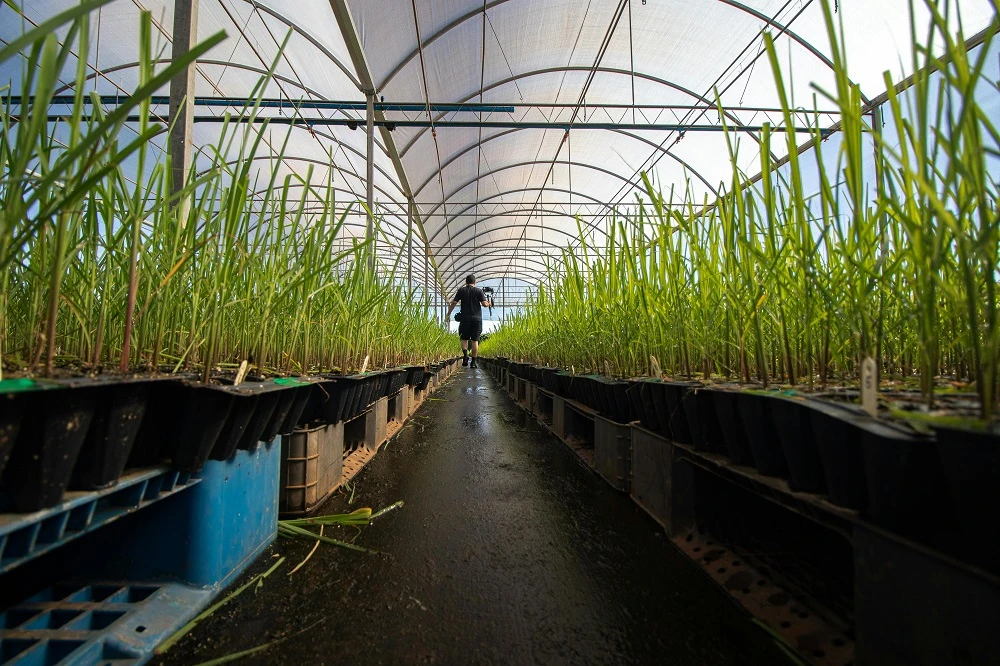

When it comes to commercial horticulture, the lighting layout you choose can make or break your operation’s productivity and profitability. As greenhouses evolve and scale, so should your lighting system!
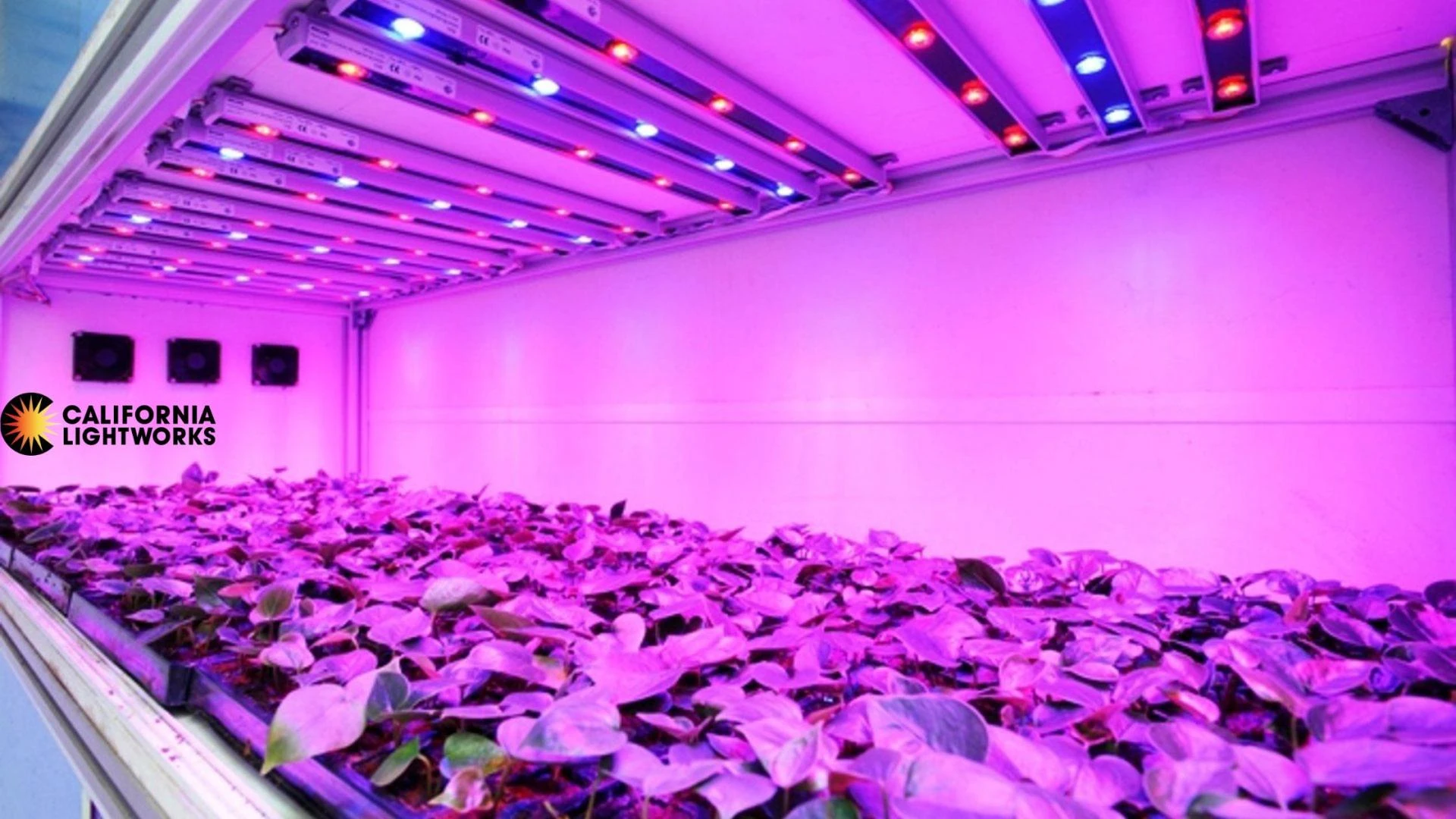
A well-designed commercial LED grow light layout ensures your crops get the right light intensity and spectrum, while allowing you to expand without major overhauls.
Whether you are managing a startup indoor farm or a large-scale greenhouse, this guide will walk you through how to design a scalable, efficient grow light layout using today’s best greenhouse grow lights.
Why Scalability Matters in Greenhouse Lighting?
Modern agriculture is no longer static. With fluctuating crop demands, seasonal changes and facility upgrades, your lighting system must be flexible. A scalable layout allows you to:
- Expand plant coverage without redesigning your system
- Maintain uniform light distribution as your grow area increases
- Optimize energy efficiency and cost-effectiveness over time
Many growers make the mistake of planning lighting for the present, not the future. That’s where commercial LED systems have a major advantage over traditional greenhouse lighting options.
Understanding the Core of a Scalable Layout
Scalability isn’t just about adding more lights—it's about creating a modular system that can grow with your operation while maintaining optimal conditions for every plant.
Key elements of a scalable LED grow light layout include:
- Modular Design: Use fixtures that can be easily linked or expanded with uniform spacing and power distribution.
- Uniform Light Distribution: Ensure light levels remain consistent across the canopy to avoid growth gaps.
- Adjustable Mounting: Choose systems that allow you to adjust height and angles as plant stages evolve.
Most leading manufacturers of greenhouse grow lights now offer flexible, daisy-chainable systems that reduce the need for re-wiring or moving mounts.
Steps to Design a Commercial LED Grow Light Layout:
- Assess Your Growing Space: Start by measuring the total area of your greenhouse or grow room. Note the ceiling height, reflective surfaces, and fixed obstructions. These details affect how much light reaches the canopy.
- Determine Plant Needs: Different crops require different light intensities, durations, and spectrums. Leafy greens may thrive with lower light, while fruiting plants like tomatoes or cannabis demand higher PPFD levels.
- Calculate Light Intensity (PPFD): Photosynthetic Photon Flux Density (PPFD) measures the usable light your plants receive. The goal is to maintain a uniform PPFD throughout the grow space. Use LED lighting software or manufacturer PPFD maps to plan fixture placement.
- Choose the Right Fixtures: Opt for commercial LED grow lights that provide a full spectrum and high efficacy (2.5 μmol/J or higher). Look for models with:
- Modular daisy-chaining capability
- Adjustable spectrum controls
- Built-in dimming or automation
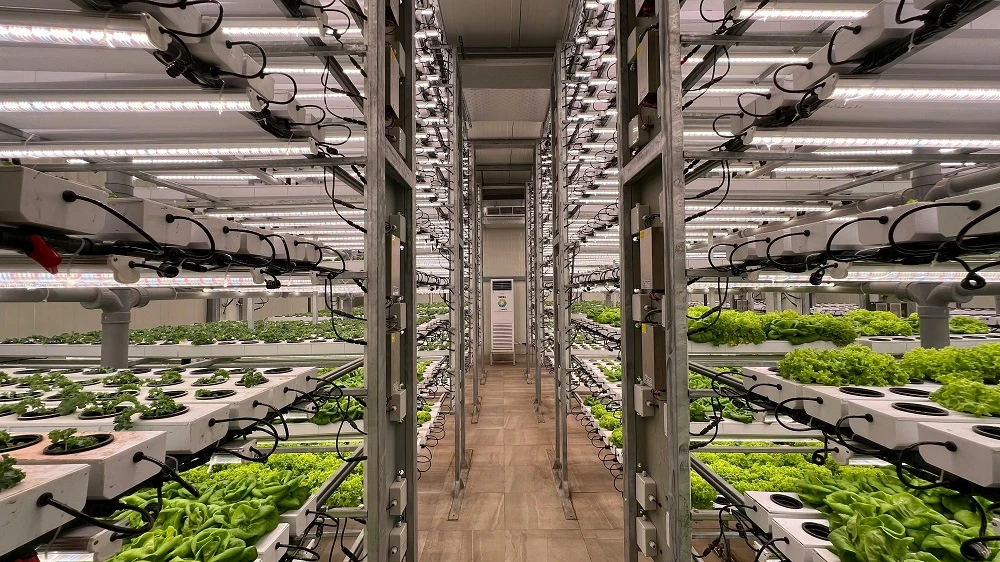
- Map Your Layout: Design a lighting grid that evenly covers your space. Consider overlap zones to avoid dark spots and use tools like CAD or layout calculators for precision. Leave enough spacing for airflow and future expansion.
- Integrate Automation: As you scale, manual light adjustments become inefficient. Invest in smart controllers or greenhouse management software that can automate light scheduling, dimming, and spectrum shifts based on plant stages.
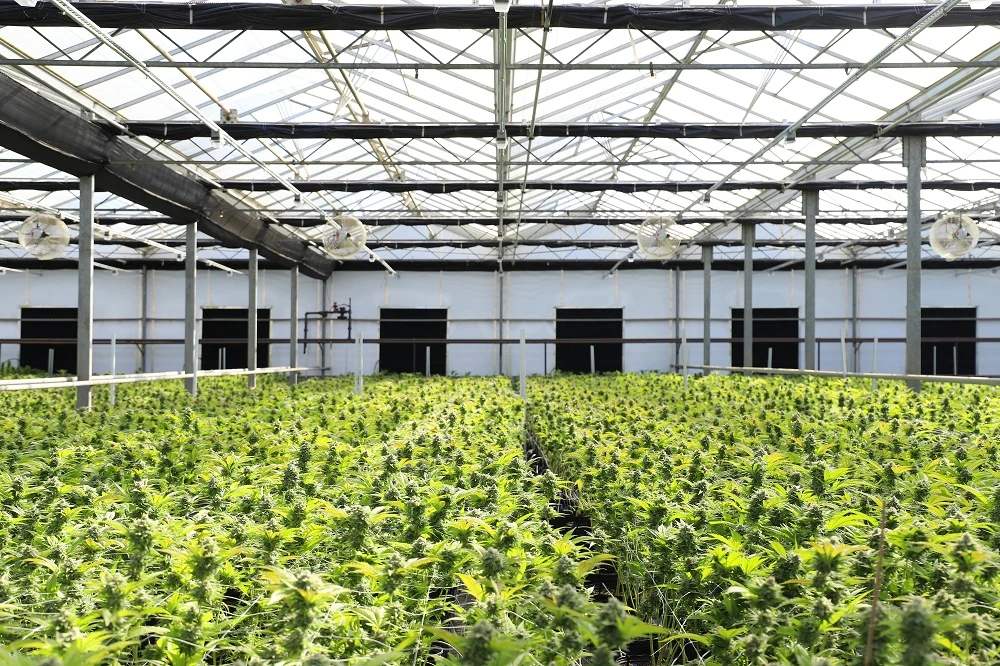
LED vs. Traditional Greenhouse Lighting in Scalability
Compared to HID or fluorescent systems, LED grow lights offer superior scalability due to:
- Lower energy usage per fixture
- Longer lifespans with minimal maintenance
- Cooler operation, reducing HVAC costs
- Customizable spectrums for crop-specific light recipes
Traditional lighting systems often require expensive rewiring or cooling upgrades when expanding. LEDs eliminate most of these hurdles, making them ideal for dynamic growing operations.
Future-Proofing Your Greenhouse Lighting System
Scalability is about long-term success. As climate-smart agriculture and year-round cultivation become mainstream, growers need lighting systems that grow with them.
When designing your layout, consider these future-proofing tips:
- Install power infrastructure to support future fixtures
- Use mounting systems that accommodate various fixture sizes
- Choose LED models from trusted brands with backward-compatible tech
A scalable plan today will save time, labor, and cost tomorrow—allowing you to increase yields without increasing complexity.
Conclusion: Plan Smart, Grow Big!
Designing a scalable commercial LED grow light layout is one of the smartest investments a grower can make. With the right approach, you can create a system that meets your current crop needs while supporting your greenhouse’s future expansion. From uniform greenhouse lighting to energy savings and automated controls, LEDs make it easier than ever to grow more—without growing pains.
Need help selecting or mapping your LED grow light setup? Work with an expert lighting provider to ensure your layout is designed for scalability, efficiency and plant success.

























Sign in to leave a comment.