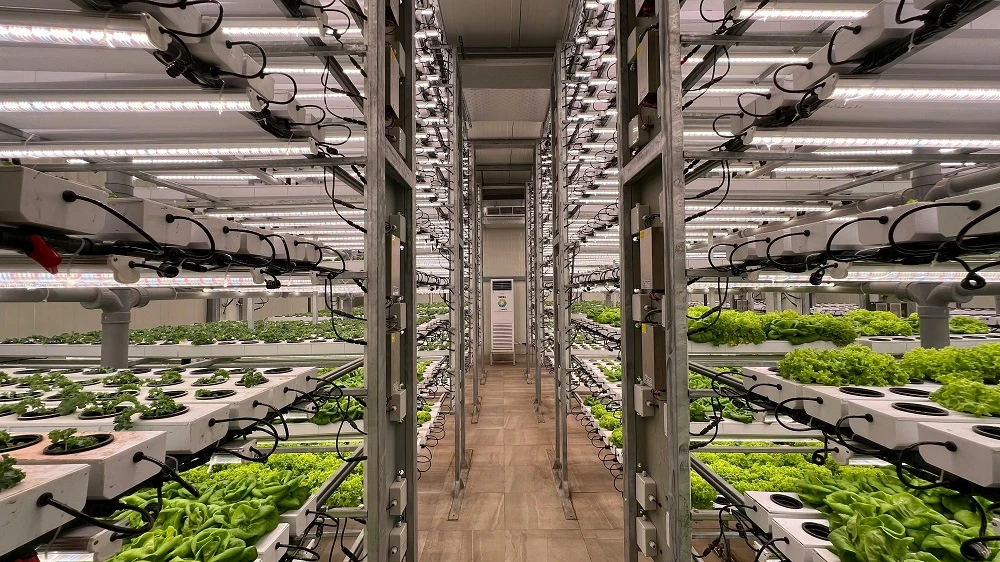

Greenhouses are an essential tool for modern agriculture, offering controlled environments to cultivate plants year-round. However, even with advanced greenhouse systems, growers often face a common limitation - sunlight. Seasonal changes, cloudy days and shorter daylight hours can reduce plant growth and yield. This is where grow lights for greenhouse farming come in as a powerful solution.
Using artificial lighting allows greenhouse growers to extend the day, maintain optimal photosynthesis levels and support continuous plant development regardless of external weather conditions. With the right setup, growers can achieve 24/7 crop growth, maximize yields and enhance the quality of their produce.
Why Greenhouse Lighting Matters More Than Ever?
While traditional greenhouses rely on sunlight, the unpredictable nature of natural light makes it difficult to maintain consistent growing conditions. Factors such as latitude, season and weather can lead to reduced light exposure, which directly impacts plant performance.
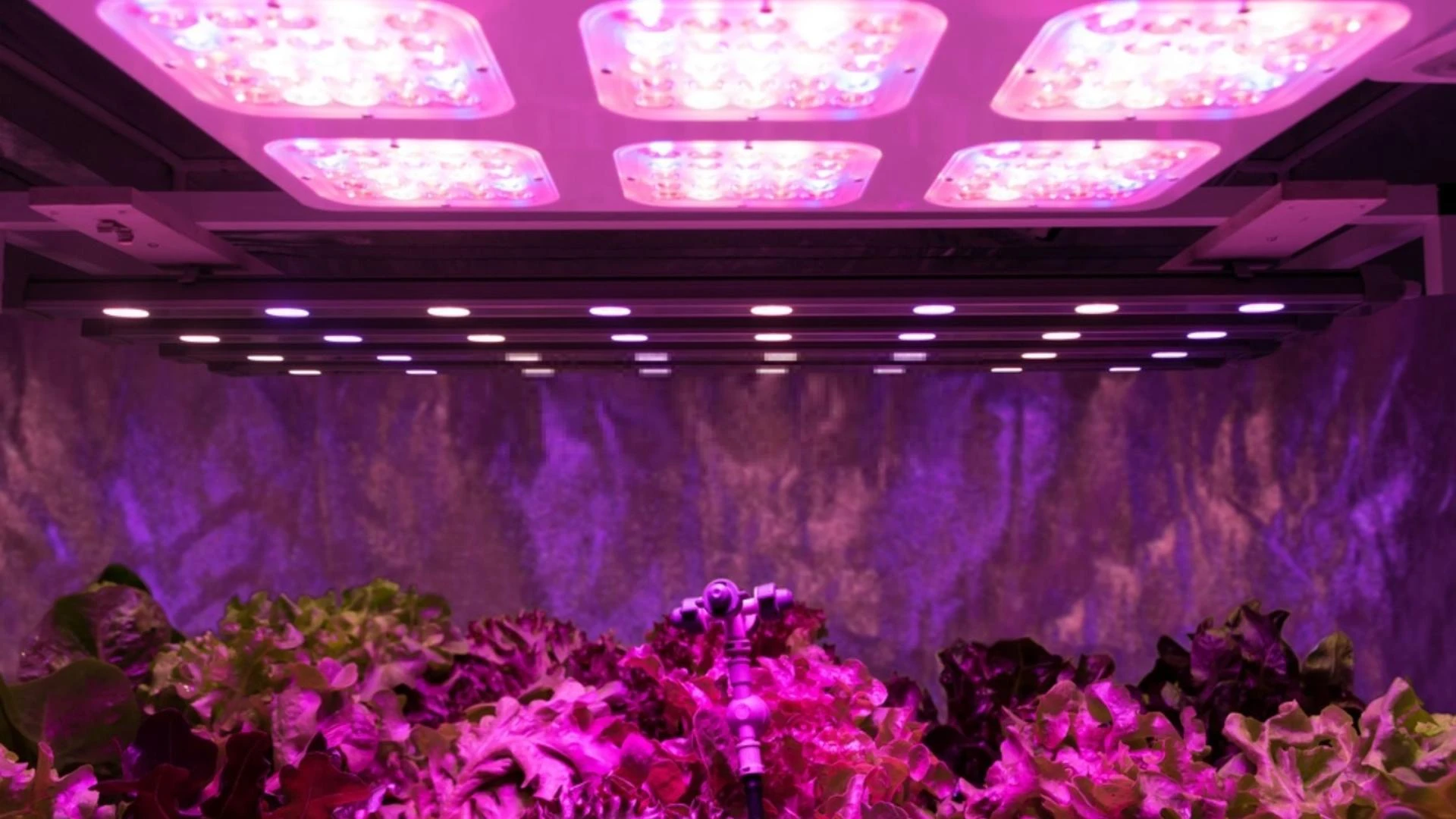
Greenhouse lighting addresses these issues by providing supplemental or full-spectrum light tailored to plant needs. Whether it’s winter or a cloudy day, artificial lighting ensures your crops receive consistent illumination. This not only improves plant growth but also increases crop cycles and yield per square foot.
The Role of Grow Lights in Modern Greenhouses:
Grow lights for greenhouse environments play a critical role in optimizing plant growth by delivering the right intensity and spectrum of light at the right time. They allow growers to:
- Extend photoperiods: Provide longer daylight hours to speed up plant development.
- Improve consistency: Maintain a stable environment despite weather fluctuations.
- Enhance quality: Increase flavor, color, size, and nutrient content of crops.
- Boost productivity: Enable year-round cultivation and more frequent harvests.
With these benefits, it’s no surprise that greenhouse lighting has become an essential component of successful commercial and hobbyist operations alike.
Why LED Grow Lights Lead the Way?
Among the different types of lighting technologies available, LED grow lights have become the top choice for greenhouse applications—and for good reason.
Here are some key advantages of LED grow lights:
- Energy Efficiency: LEDs consume less electricity than traditional lighting systems like HPS or HID, reducing energy bills and environmental impact.
- Low Heat Emission: LEDs produce minimal heat, allowing them to be placed closer to plants without the risk of leaf burn or overheating.
- Long Lifespan: High-quality LEDs can last up to 50,000 hours, making them a durable investment for growers.
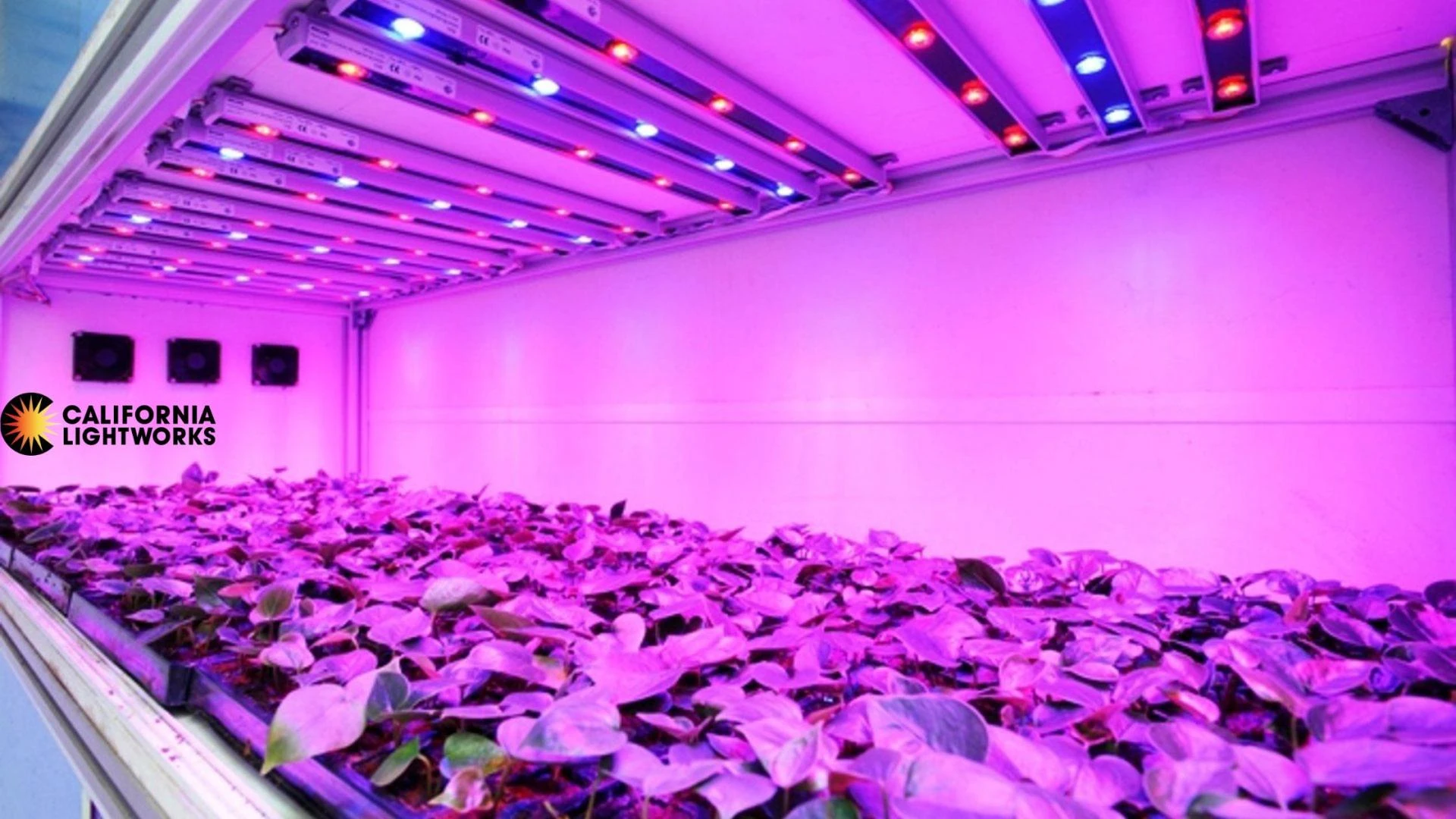
- Customizable Spectrums: Many LED systems allow fine-tuned spectral control, giving growers the ability to target specific wavelengths based on plant stage—vegetative or flowering.
- Environmentally Friendly: LEDs contain no harmful chemicals and have a lower carbon footprint than other grow light types.
When integrated into a greenhouse environment, LED grow lights offer unmatched control and efficiency, making it possible to grow healthier plants around the clock.
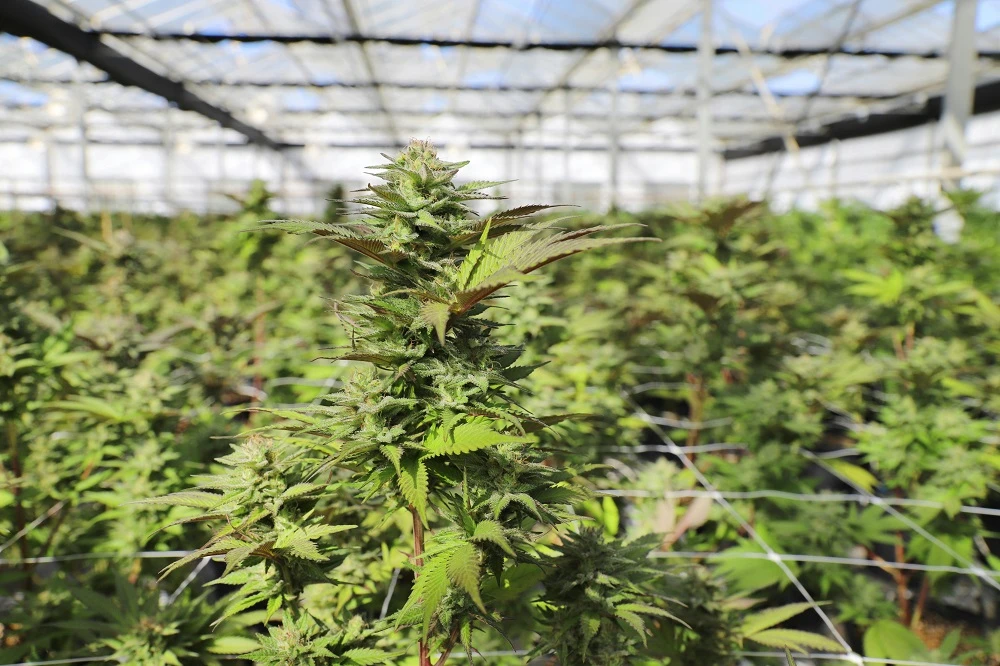
Creating a 24/7 Growing Environment
The concept of 24/7 growth is more than just using lights at night. It involves optimizing your greenhouse lighting system to deliver the ideal spectrum, intensity, and duration for your specific crops.
To achieve maximum greenhouse output, consider the following strategies:
- Understand Crop Needs: Different crops have different light requirements. Leafy greens thrive under blue light, while fruiting crops need more red and far-red wavelengths.
- Use Light Schedulers and Sensors: Automating your lighting with timers and light sensors ensures consistent exposure, even when natural light levels drop unexpectedly.
- Monitor Light Intensity (PPFD): The Photosynthetic Photon Flux Density (PPFD) should be adjusted to meet the needs of the crop and its stage of development. Overexposure or underexposure can stress plants and reduce yields.
- Combine Natural and Artificial Light: Use grow lights to supplement natural sunlight when it's insufficient. A hybrid system ensures energy efficiency while maintaining optimal growth conditions.
- Invest in Full-Spectrum LEDs: Full-spectrum LED grow lights replicate the natural sunlight spectrum and support all growth stages, from seedlings to flowering and fruiting.
The Bottom Line: Going Beyond Sunlight:
In today’s competitive growing landscape, relying solely on natural sunlight is no longer a viable strategy for consistent greenhouse productivity. The integration of grow lights for greenhouse use transforms a passive growing space into a high-efficiency, year-round cultivation hub.
Whether you're growing herbs, vegetables, flowers, or specialty crops, advanced greenhouse lighting gives you the tools to optimize every growth cycle. By investing in the right LED grow lights and setting up a smart lighting system, you can take your greenhouse operation to the next level—producing more, faster, and with better quality.
Conclusion:
The future of controlled-environment agriculture is here, and it’s illuminated by artificial lighting. With advanced LED grow lights, growers are no longer at the mercy of changing seasons or inconsistent sunlight. By going beyond sunlight, you unlock the full potential of your greenhouse and create a path to higher yields, healthier crops, and greater profitability.
























Sign in to leave a comment.