

Sydney property owners often reach a crossroads: patch a tired corner of the yard, or start again with a full-scale redesign. Both routes can improve liveability and value, yet each carries different timeframes, budgets, and compliance hurdles. Understanding the trade-offs before you book the first contractor visit helps you avoid half-finished projects and costly revisions down the track.
Why “Scope Clarity” Matters More Than Design Trends
A quick scan of outdoor design blogs can convince anyone that new pavers or a fire pit will solve everything. In reality, the best outcome starts with scope clarity: matching the scale of works to the real problem you are solving—whether it’s drainage, safety, usability, or aesthetics.
For projects likely to exceed the minor-works threshold, homeowners should confirm that contractors hold the appropriate licence under the NSW Fair Trading licensing guidelines. This protects you if workmanship issues surface later and keeps the project on the right side of local statutes.
A quick sense-check before finalising scope
- List the pain points in priority order (e.g., poor drainage, lack of seating, steep access).
- Note which ones demand structural solutions, not cosmetic cover-ups.
- Check council requirements for retaining walls, decks, or large hardscape areas.
- Clarify the budget range and contingency (typically 10-15 %).
- Match the timeline to seasonal constraints—some turf varieties establish poorly in winter.
Inspiration vs Reality: Learn from Other Homeowners’ Journeys
Homeowners comparing their options often look up stories of what went right (and wrong) for others. For balanced context on scoping, budgets and contractor red flags, many readers have found this guide on choosing a landscaping contractor useful before signing anything. Seeing the decision-making process laid out—rather than glossy “after” photos alone—can highlight hidden costs or timeline blow-outs that don’t appear in a typical Pinterest post.
Comparing Light Touch Upgrades with Full Backyard Redesigns
The table below contrasts two common project paths. Use it as a starting point, then tailor numbers and milestones to your lot size, soil, and council zoning.
| Aspect | Light Touch Upgrade (e.g., new planting bed & path) | Full Backyard Redesign (e.g., multi-zone landscape) |
| Typical Duration | 1–3 weeks | 6–12+ weeks |
| Council/DA Requirements | Rarely needed if under height & impervious area limits | Often required for retaining walls, large decks, drainage works |
| Disruption Level | Low—access generally via side gate | High—machinery, excavation, possible temporary fence removal |
| Budget Flexibility | Upgrades can be staged over time | Economies of scale favour doing it once but require bigger upfront spend |
| When It Makes Sense | Cosmetic refresh, property sale prep, rental tidy-up | Drainage issues, unsafe levels, outdated layout, growing family needs |
A light touch boosts street appeal quickly but may leave underlying drainage or level problems untouched. On the flip side, a full redesign solves root causes yet requires stronger planning, cash flow, and the patience to live through site works.
Hidden Factors That Tip the Balance
1. Drainage and Soil Movement
Sydney’s mix of sandy and clay soils means runoff paths can change after heavy rain. If puddling appears near the house slab or retaining walls lean, a cosmetic mulch top-up won’t cut it. Investigate with a landscaper or engineer before re-planting.
2. Existing Hardscape Lifespan
Old concrete paths or unstable timber decking can undermine new plantings. If hard surfaces are already cracked or rotted, factor demolition into the main project rather than layering new elements on a shaky base.
3. Future Family Requirements
Families with toddlers might only need soft fall lawn today, but teenagers may soon want a half-court or pool zone. Mapping the 5- to 10-year lifestyle horizon—rather than next summer’s barbecue—reduces costly re-work.
4. Micro-Climate and Water Rules
Western suburbs often face harsher afternoon sun and tighter water restrictions than harbour-side pockets. Selecting heat-tolerant species or installing drip irrigation early can shift the scope from “looks good at hand-over” to “still thriving five summers on.”
When a Comprehensive Approach Pays Off
If multiple niggles keep surfacing—pool fence compliance, sinking pavers, and water pooling during storms—it may be time to look at a range of comprehensive landscaping options rather than patchwork fixes. Bundling works allows:
• Integrated drainage planning instead of piecemeal pipes.
• Cohesive material palettes that age uniformly.
• Efficient site access—machinery comes in once, not three times over three years.
• A single warranty period, simplifying after-sale questions.
Common Missteps and How to Sidestep Them
- “Design First, Soil Later” – Ignoring compaction, soil health, or high-salt environments can ruin lush designs within a season. Start with the ground, then go upward.
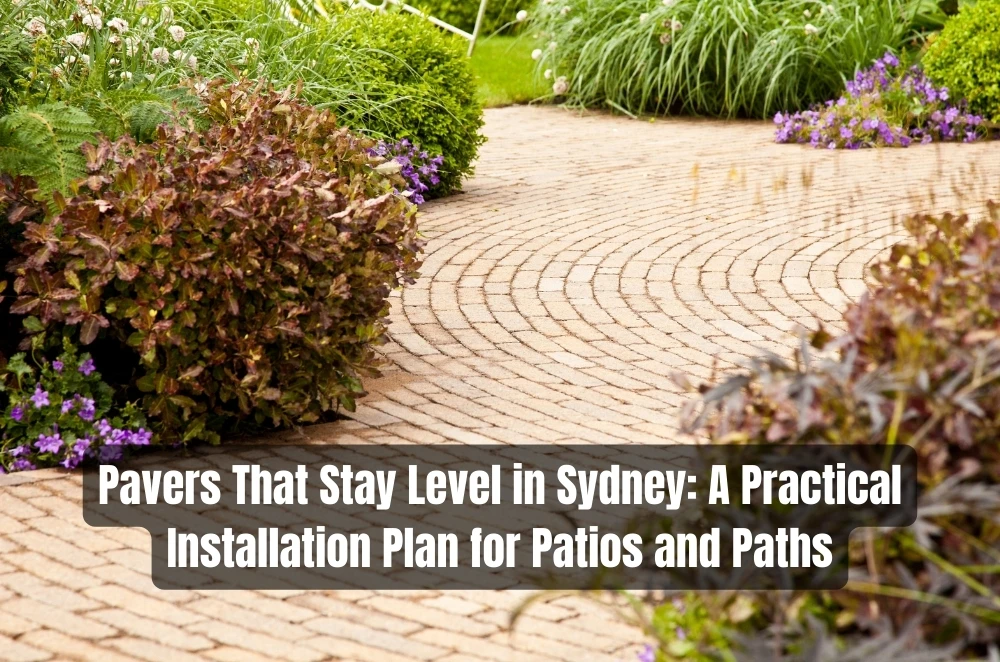
- Under-specifying Base Materials – Skimping on road-base depth for pavers often leads to dips and trip hazards by the second wet season.
- Forgetting Access Widths – Pergola beams and excavators need clear passage. Check gate and alley widths early to avoid last-minute fence removals.
- Over-watering New Turf – Sydney’s humidity can mislead homeowners into daily watering. Most warm-season grasses benefit more from deep, less frequent soaking after roots set.
The Decision Framework in Three Quick Questions
- Will fixing today’s issue likely expose another (e.g., repairing lawn without resolving shade and drainage)?
- Does the current hardscape fall outside modern safety codes or council setbacks?
- Are you prepared for living with partial works if the budget forces staged upgrades?
If you answer “yes” to the first two—or “no” to the third—lean toward a fuller redesign once funds and approvals line up.
Final Thoughts
Landscaping decisions rarely hinge on a single feature. They balance design dreams against soil realities, council lines, family growth, and maintenance appetite. By clarifying scope and understanding when an upgrade crosses into structural territory, Sydney homeowners can invest in outdoor spaces that remain practical and enjoyable long after the last tradie leaves.

























Sign in to leave a comment.