Finding the perfect home for your greenery is more than just a design choice. While a beautiful container can instantly upgrade your living room, the wrong selection can lead to wilting leaves or even plant death. Many people purchase a pot based on how it looks on a shelf, forgetting that this container is the primary life-support system for their plants.
Choosing the right indoor plant pots requires a balance between home decor and plant biology. To ensure your plants thrive and your home stays stylish, here are five essential features to look for before making your next purchase.
Critical Physical Features for Plant Health
The first part of choosing the right container is looking at the features that directly impact the soil environment. Without these elements, even the most expensive plant will struggle to survive indoors.
1. Functional Drainage Systems
The most critical feature of any container is its ability to manage water. Without proper drainage, water collects at the base of the pot, drowning the roots and causing a condition known as root rot. When browsing for indoor plant pots, always check for drainage holes at the bottom.
- The Cachepot Method: If you find a decorative pot without holes, use it as a cover. Keep the plant in a simple liner with holes and place it inside the decorative one.
- Water Management: This setup allows you to take the plant to the sink, water it, and let the excess liquid drain away before putting it back.
- Safety Margin: Proper drainage acts as a safety net against accidental overwatering.
2. Material Porosity and Weight
The material of the pot plays a huge role in how much moisture stays in the soil. Different materials serve different plant needs.
- Porous Materials: Terracotta and unglazed ceramic allow air and water to move through the walls. This is excellent for cacti or succulents that prefer dry soil.
- Non-Porous Materials: Plastic plant pots and glazed ceramics trap moisture inside. They are a better choice for ferns or peace lilies that enjoy consistent humidity.
- Durability: Plastic plant pots are lightweight and durable, making them easy to move when you want to clean your shelves or rearrange your layout.
- Stability: For top-heavy plants, ensure the material is heavy enough to provide a solid base so the plant does not tip over.
3. Proper Sizing for Growth
Sizing is a feature that many indoor gardeners overlook. A common mistake is moving a plant into a massive pot to "give it room to grow." However, too much extra soil holds onto too much water, which the roots cannot absorb fast enough. The ideal pot should only be about two inches wider than the current root ball. This "two-inch rule" ensures that the plant has enough space to expand without the risk of sitting in soggy soil.
Design and Maintenance Features
Once the health requirements are met, you should focus on how the pot functions within your home and how easy it is to keep clean over time.
4. Versatile Shapes for Small Spaces
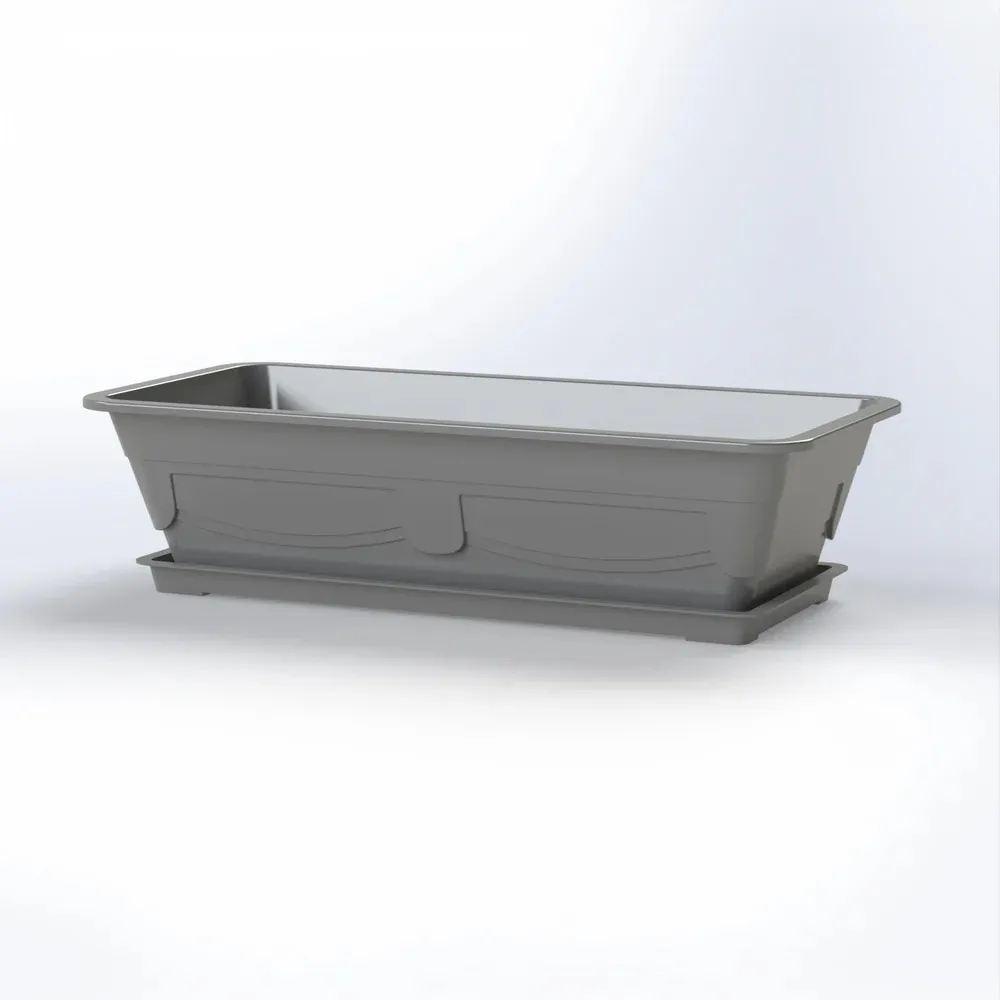
The shape of the container influences both root development and your interior layout. While traditional round pots are standard, rectangular plant pots are becoming a popular choice for modern homes.
- Space Efficiency: Rectangular plant pots work exceptionally well on narrow windowsills or as dividers on long dining tables.
- Linear Aesthetics: They provide a unique look and allow you to plant multiple small herbs or succulents in a row.
- Group Planting: Using rectangular plant pots makes it easier to create a mini-garden effect that saves space in smaller apartments.
5. High-Quality Surface Finishes
A high-quality surface finish does more than just look pretty; it makes maintenance much easier. Over time, minerals from tap water and fertilizers can build up on the edges of your pots. A smooth, non-porous exterior allows you to wipe away these deposits with a damp cloth, preventing the growth of mold or the nesting of pests like fungus gnats. Whether you choose ceramic or high-grade plastic plant pots, a well-finished surface keeps your indoor garden looking clean and professional with very little effort.
Making an Informed Choice for Lasting Greenery
Selecting the right indoor plant pots is a task that combines science with style. By focusing on drainage, material porosity, and the correct size, you create an environment where your plants can grow to their full potential. Whether you prefer the classic look of ceramic or the lightweight convenience of plastic plant pots, remembering these five features will save you time, money, and the heartbreak of losing a beloved plant.
The next time you want to refresh your interior, consider how a change in shape, such as using rectangular plant pots, could transform your space while still providing the functional benefits your greenery needs. Investing in a quality pot is the best way to ensure your indoor jungle remains vibrant and healthy.


















Sign in to leave a comment.