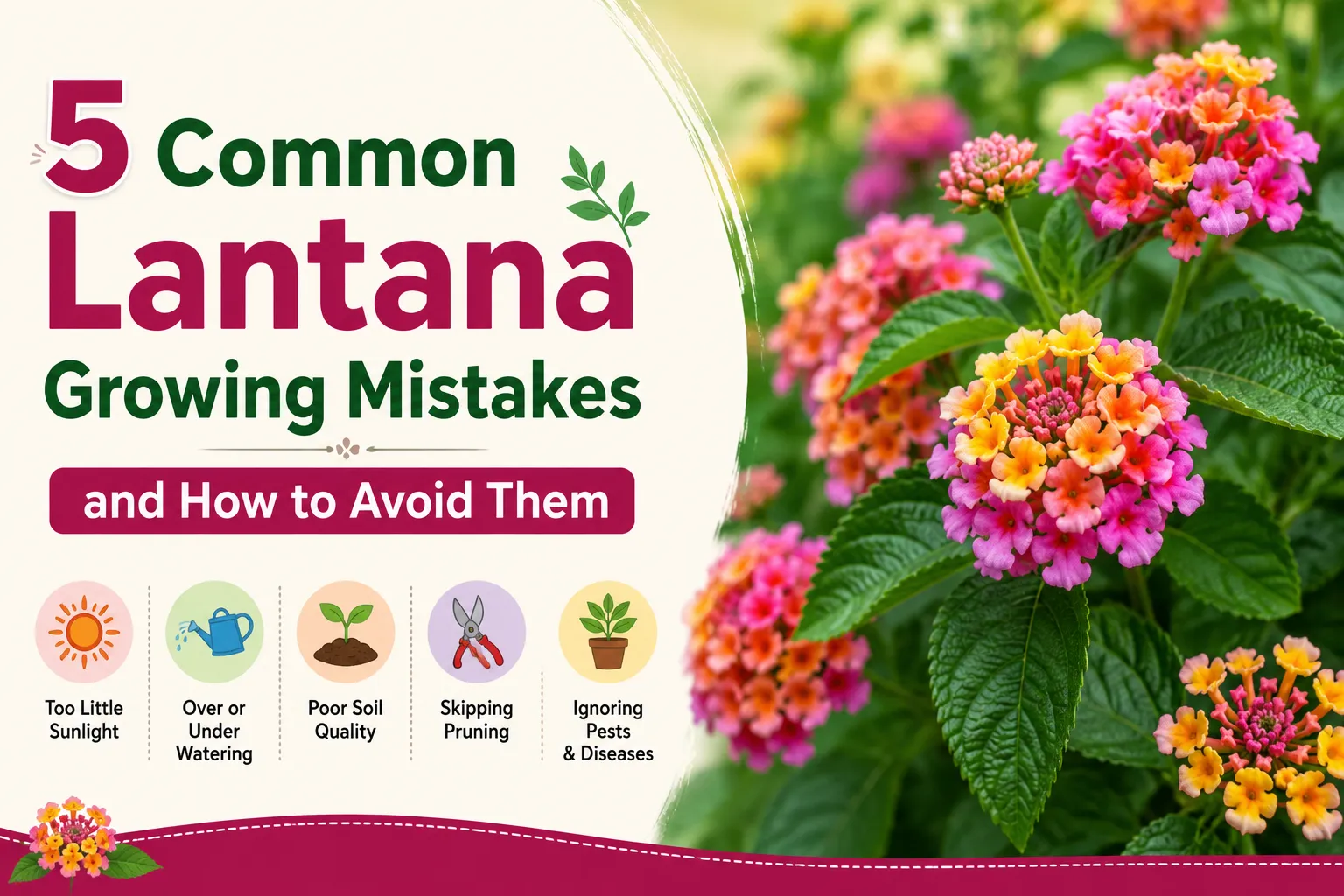
Lantana is one of the most colorful and rewarding flowering plants you can grow in a home garden. Known for its bright flower clusters, heat tolerance, and ability to attract butterflies and pollinators, lantana has become a favorite choice for gardeners looking for easy-care outdoor plants that bloom continuously throughout the season.
However, many gardeners struggle when their lantana plants stop flowering, develop yellow leaves, or grow weak and leggy. While lantana is considered a low-maintenance plant, a few common mistakes can affect its health and reduce its beautiful blooms.
The good thing is that most lantana issues can be solved with the right care and regular attention. In this guide, we’ll explain five common mistakes people make when growing lantana plants and how to fix them so your plants stay healthy and bloom beautifully.
Mistake 1: Planting Lantana in Too Much Shade
One of the biggest mistakes gardeners make is planting lantana in areas that do not receive enough sunlight. Lantana is a sun-loving plant that performs best in bright, direct light.
Why Sunlight Matters for Lantana
Lantana needs at least 6–8 hours of full sun daily to produce healthy foliage and continuous blooms. Without enough sunlight, the plant may survive, but it often struggles to flower properly.
Full sunlight also helps improve airflow around the plant, reducing the risk of fungal problems and pest infestations.
Signs Your Plant Needs More Sun
If your lantana is not getting enough sunlight, you may notice:
- Fewer flowers
- Weak or stretched stems
- Slow growth
- Pale or dull leaves
These signs usually indicate that the plant is trying to reach for more light.
How to Fix It
If your lantana is planted in a shaded location, consider moving it to a sunnier area of the garden. Container-grown lantanas can easily be relocated to patios, balconies, or open spaces that receive more direct sunlight.
For best results, plant lantana in areas with morning sun and good air circulation.
Helpful Tip: Morning sunlight combined with proper airflow encourages healthier blooms and stronger growth.
Mistake 2: Overwatering the Plant
Although lantana looks lush and tropical, it is actually quite drought-tolerant once established. Overwatering is one of the most common reasons lantana plants fail to thrive.
How Much Water Does Lantana Need?
Newly planted lantanas need regular watering while their roots establish. However, mature plants prefer slightly dry soil between watering sessions.
Too much moisture can weaken the roots and create unhealthy growing conditions.
Symptoms of Overwatering
Common signs of overwatering include:
- Yellow leaves
- Wilting despite wet soil
- Root rot
- Mushy stems
- Leaf drop
Many gardeners mistake wilting as a sign of dryness and add even more water, which worsens the problem.
Best Watering Practices
Water lantana deeply but less frequently.Let the top layer of soil become slightly dry before watering the plant again.
During hot summer weather, check the soil regularly instead of watering on a strict schedule. Plants growing in containers may need more frequent watering than those planted in the ground.
Healthy watering habits are essential for maintaining strong and vibrant easy-care outdoor plants in warm climates.
Mistake 3: Using Poorly Draining Soil
Lantana prefers loose, well-draining soil that allows excess moisture to escape easily. Heavy or compacted soil can suffocate the roots and lead to poor growth.
Why Drainage Is Important
Roots need oxygen to stay healthy. When soil remains constantly wet, the roots cannot breathe properly, increasing the risk of fungal diseases and root rot.
Good drainage becomes especially important during rainy seasons or in humid regions.
Ideal Soil for Lantana
Lantana grows best in:
- Sandy soil
- Well-draining potting mixes
- Slightly acidic to neutral soil
While allowing proper drainage, organic matter can improve soil texture.
How to Improve Drainage
To create better growing conditions:
- Soil should be amended with compost or coarse sand
- Use raised garden beds
- Choose containers with drainage holes
- Plants should not be planted in low areas where water collects
Healthy soil is the foundation for long-lasting flowering plants that continue blooming throughout the season.
Mistake 4: Skipping Regular Pruning
Many gardeners forget to prune their lantana plants regularly. Without pruning, lantana can become woody, leggy, and less productive.
Benefits of Pruning Lantana
Pruning helps:
- Encourage fuller growth
- Promote more blooms
- Remove dead or damaged stems
- Improve airflow around the plant
Regular trimming also keeps the plant looking neat and healthy.
When to Prune
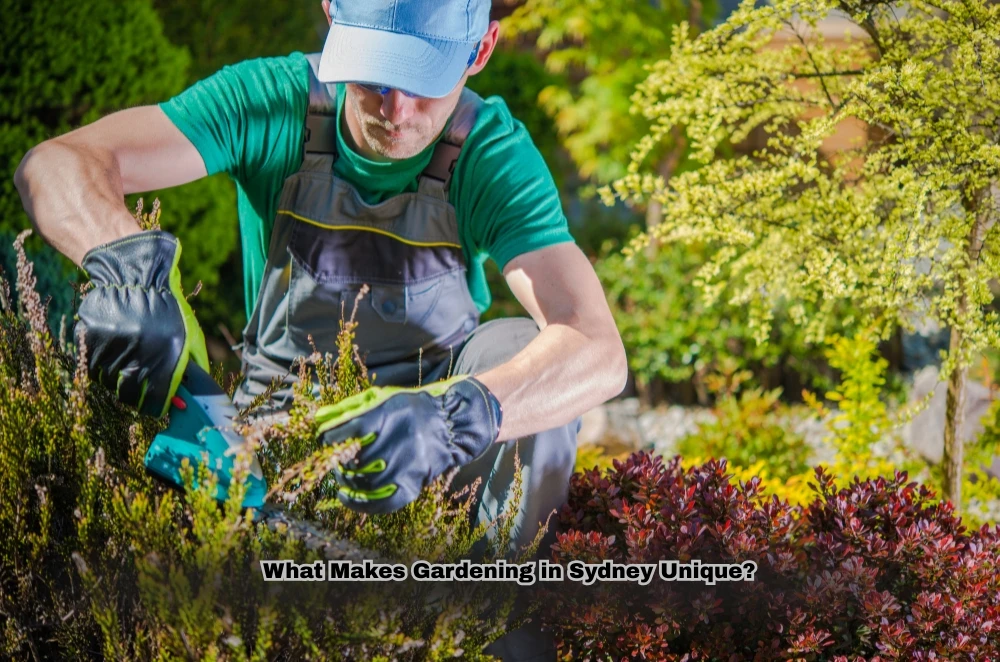
During early spring, when new growth begins, major pruning is most effective. During the growing season, light trimming can help maintain shape and encourage fresh blooms.
Deadheading spent flowers also encourages continuous flowering.
Common Pruning Mistakes
Avoid:
- Pruning too late in the season
- Cutting away excessive growth at once
- Using dull pruning tools
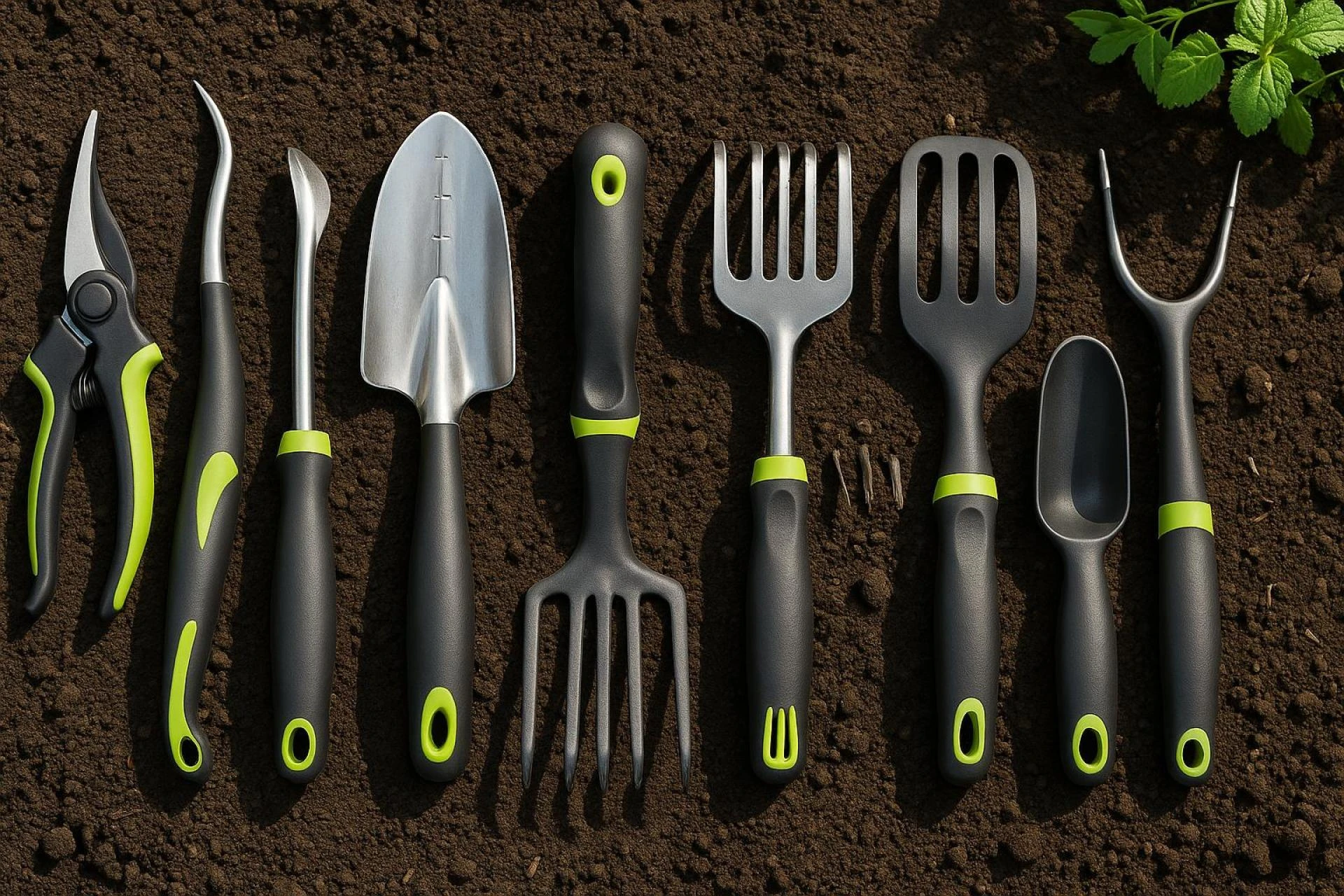
Always use clean, sharp garden pruners to prevent plant stress and disease spread.
Proper pruning is one of the easiest ways to maintain beautiful and healthy easy-care outdoor plants in any garden space.
Mistake 5: Ignoring Pests and Plant Stress
Although lantana is generally hardy, pests and environmental stress can still affect plant health if left untreated.
Common Lantana Pests
Some common pests include:
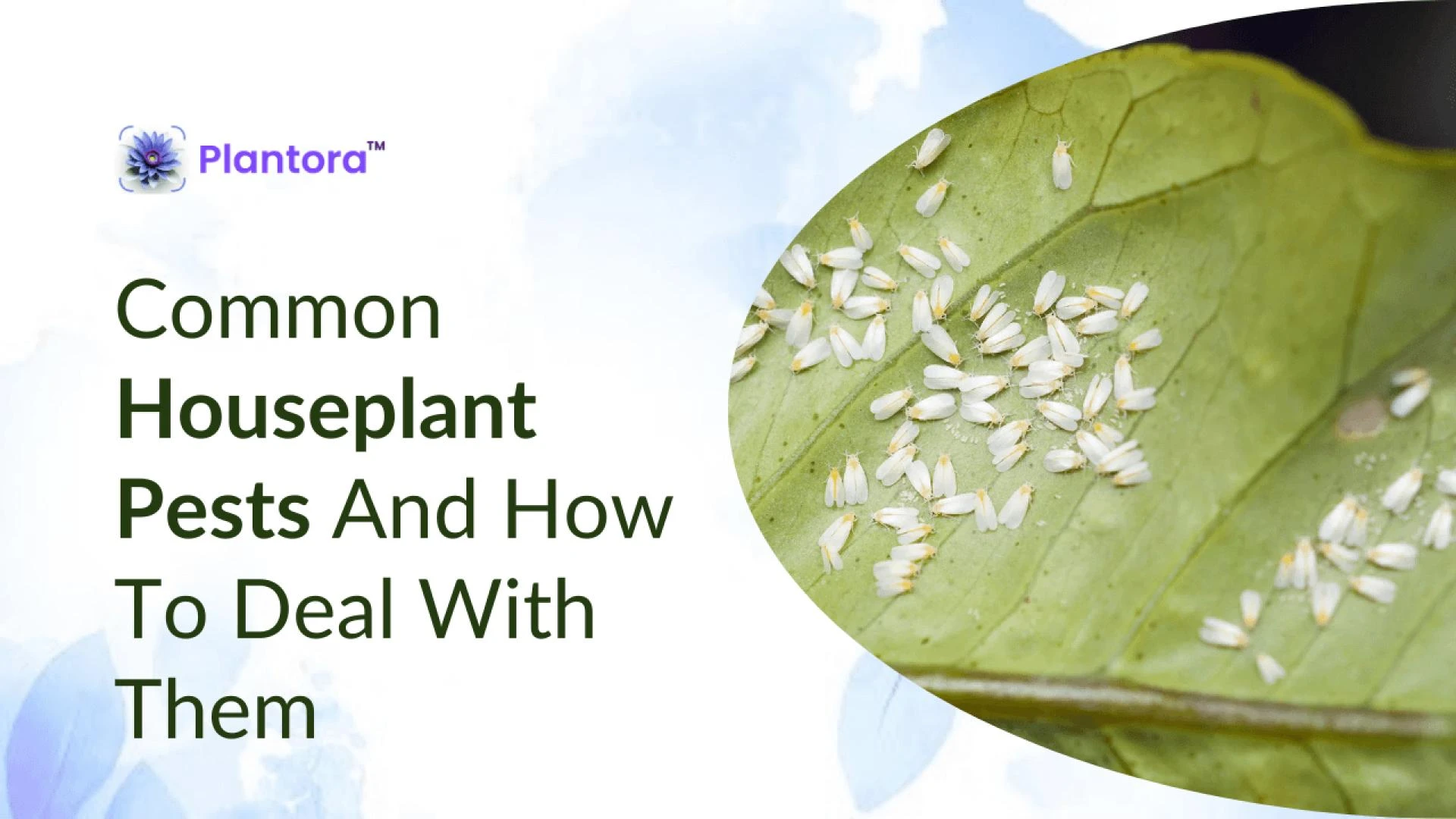
- Whiteflies
- Spider mites
- Aphids
These insects feed on plant sap and weaken overall growth.
Warning Signs to Watch For
Check your lantana regularly for:
- Sticky leaves
- Curled foliage
- Yellowing leaves
- Tiny webs under leaves
- Reduced flowering
Early detection makes treatment easier and prevents serious damage.
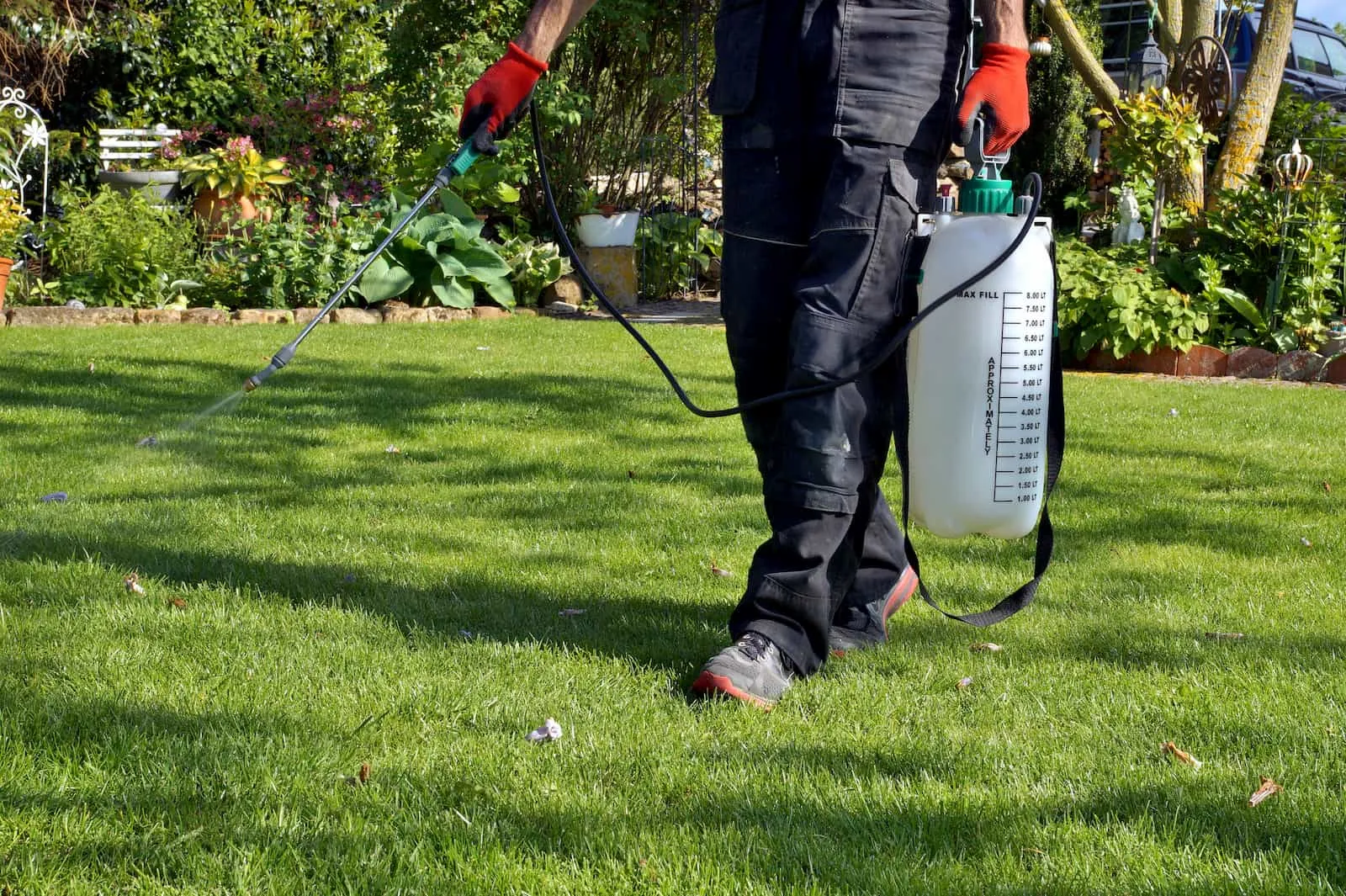
Natural Ways to Prevent Problems
Simple prevention methods include:
- Spraying neem oil
- Improving airflow between plants
- Avoiding overcrowding
- Removing damaged leaves promptly
Plants that are healthy are naturally more resistant to pests and environmental stresses.
Bonus Tips for Healthy Lantana Growth
Here are a few extra tips to help your lantana thrive:
- Fertilize lightly during the growing season
- Avoid overcrowding plants
- Remove faded blooms regularly
- Protect plants from frost in colder climates
- Mulch retains moisture and reduces weed growth
Lantana grows well in pollinator-friendly gardens, garden borders, and containers with native shrubs and bright seasonal flowers.
If you are looking for vibrant lantana plants for sale, choosing healthy plants from a trusted nursery can make a big difference in long-term growth success.
Many gardeners also prefer to buy lantana online for convenience and access to different colors and varieties.
When shopping for quality plants, it’s always helpful to choose reputable sources that specialize in native plants near me, drought-tolerant landscaping plants, and healthy garden-ready selections.
Final Thoughts
Lantana is one of the easiest and most rewarding plants to grow when given the right conditions. Most growing problems happen because of simple mistakes like overwatering, poor sunlight, or skipping regular maintenance.
By providing full sun, well-draining soil, proper watering, and occasional pruning, you can enjoy vibrant blooms and healthy growth throughout the season.
Whether you are new to gardening or already growing a variety of flowering plants, lantana is an excellent choice for adding long-lasting color to your outdoor space.
Looking for more gardening inspiration and plant care tips? Explore more expert guides and beautiful plant selections at Pixies Gardens to create a thriving and colorful garden year-round.




















Sign in to leave a comment.