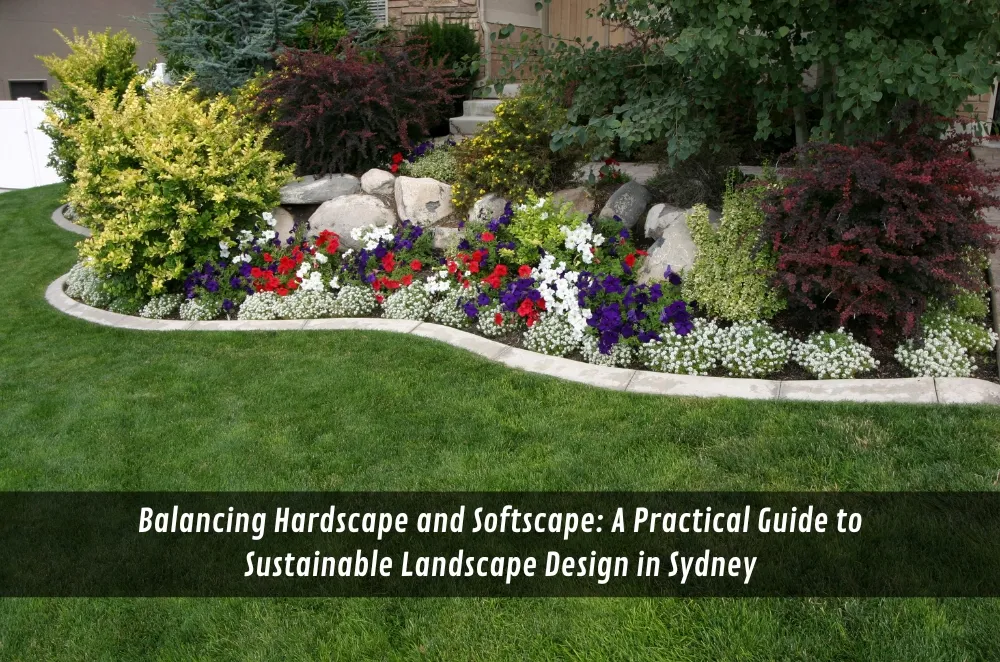

Sydney’s climate, block sizes and lifestyle expectations make landscape design more than simply choosing plants or paving. The best results come from striking a thoughtful balance between “hardscape” (built features such as paths, walls and decks) and “softscape” (living elements such as turf, trees and garden beds). Get the mix wrong and you risk drainage headaches, heat-soaked courtyards or gardens that quickly outgrow the space. Get it right and you gain a functional, good-looking yard that copes with our hot summers, intense downpours and weekend-warrior maintenance schedules.
Below is a step-by-step look at how to plan that balance, why it matters in the Sydney context, and the practical choices that can save time, money and water over the long term.
1. Why Hardscape–Softscape Balance Matters in Sydney
1.1 Climate Pressures
Sydney swings from dry spells to torrential rain. Too much paving can create flash-flooding runoff, while too much softscape without structure may erode or become water-logged. A measured split helps channel water, reduce heat islands and keep maintenance realistic.
1.2 Lifestyle and Block Size
Many suburban blocks rely on outdoor areas for entertaining, parking or play. Hardscape surfaces provide reliable footing and seating, while shade trees and garden beds offer cooling and visual relief. Proportion drives usability.
1.3 Council and Sustainability Expectations
Local councils increasingly encourage permeable surfaces and water-wise plantings. Following published sustainability advice from the NSW Department of Planning and Environment can also future-proof projects against changing regulations and drought restrictions.
2. Deciding Your “50/50” (or Thereabouts)
A 50-percent hardscape, 50-percent softscape split is often quoted but rarely literal. Consider the example below.
| Outdoor Goal | Hardscape Emphasis – Pros | Softscape Emphasis – Pros | Balanced Approach – Why It Wins |
|---|---|---|---|
| Entertaining area for six | Stable surface for furniture and BBQ; easy cleaning | Cooler microclimate; softer look | Paved dining zone edged by low garden beds with shade tree reduces glare and heat |
| Child-friendly play yard | Defined bike path; mud-free space | Grass for ball games; softer landings | Small bike loop plus turf rectangle keeps circulation healthy for soil and kids |
| Low-maintenance courtyard | Minimal weeding; quick hose-down | Self-cooling through evapotranspiration | Permeable pavers + hardy groundcovers reduce heat while controlling weeds |
The takeaway? Start with your primary outdoor goal, then test how each element supports or competes with it.
3. Planning Functional Hardscape
3.1 Drainage and Levels First
Before dreaming about bluestone steppers or spotted-gum decking, confirm slope, sub-base and storm-water points. Rectifying drainage after installation is costly and disruptive.
3.2 Material Selection Checklist
• Slip resistance in wet weather
• Heat retention (e.g. darker stone may radiate summer heat)
• Local availability and transport emissions
• Maintenance needs (sealed vs unsealed surfaces)
3.3 Integrating Services
Allow conduits for lighting, irrigation and future features under paths and retaining walls. Retrofitting cables beneath a finished patio is rarely tidy.
4. Designing Resilient Softscape
4.1 Choose Plants for Micro-Climate, Not Just Postcode
Inner-west courtyards trapped between brick walls capture more heat than leafy upper-north shore blocks. Group species by sun, wind and reflected heat exposure rather than assuming all “Sydney” gardens behave the same.
4.2 Go Native Where Practical
Indigenous plants such as Lomandra, Westringia and Kangaroo Paw thrive in local soils, support wildlife and often need less water once established. Pair with exotics for seasonal colour or specific form.
4.3 Right Plant, Right Place – Common Pitfalls
• Planting canopy trees beneath powerlines
• Spreading groundcovers next to lawn edges (mowing headaches)
• High-water citrus beds on the driest western fence
A quick soil test and height-at-maturity check save future removal costs.
5. Blending the Two: Seamless Transitions
Good landscape design makes the join between built and living elements almost invisible. Techniques include:
• Repeating stone colour in mulch or decorative gravel
• Using planter boxes to soften raised decks
• Curving paths to hug lawn pockets or garden beds
• Mirroring low retaining wall heights with mass plantings of grasses or shrubs behind
6. Maintenance Reality Check
Dream designs sometimes stumble on week-to-week upkeep. Ask:
- How many hours can you realistically spend mowing, pruning and cleaning each month?
- Can plants survive a two-week holiday in January?
- Will pavers need pressure-washing to avoid algae in shaded corners?
If the answers sound daunting, consider more durable groundcovers, automated irrigation or smaller lawn areas.
7. When Professional Help Makes Sense
Complex level changes, engineered retaining walls or integrated lighting plans often justify expert input. Sydney homeowners exploring these features can benefit from engaging landscaping experts in Sydney who understand local soil conditions, council regulations and cost-effective sourcing of materials.
8. Questions to Ask Before Finalising Your Design
• Does storm-water flow away from foundations and neighbour boundaries?
• Have you allowed 1 m clearance for future plant growth near paths and fences?
• Will mature tree canopies cast unwanted shade on solar panels or veggie beds?
• Is there at least one permeable surface pathway for healthy root zones?
• Are service lines and inspection points accessible without jack-hammering paving?
9. Soft Conclusions for a Lasting Landscape
Balancing hardscape and softscape is less about fixed ratios and more about how people, climate and space interact. By planning drainage first, choosing climate-appropriate materials, and allowing the living elements room to mature, Sydney homeowners can craft outdoor spaces that look good on day one and only improve over time. If uncertainty arises—whether around council setbacks, retaining wall engineering or simply refining plant palettes—engaging professional landscaping solutions can streamline the journey and avoid expensive corrections later.



























Sign in to leave a comment.