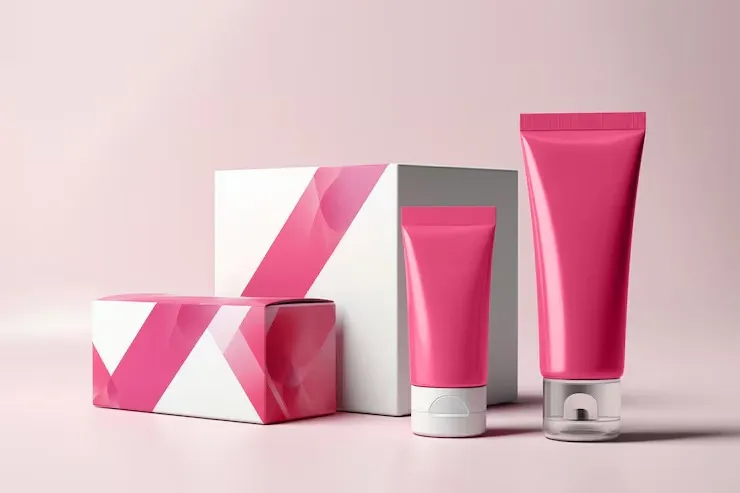

Anyone launching a cosmetics brand eventually runs into this decision: go with private label packaging or invest in fully custom packaging. The terms get used loosely across the industry, which often leaves new brand owners unsure what they're actually choosing between.
Understanding the real difference between these two approaches, along with the practical tradeoffs of each, makes it easier to decide which path fits a brand's current stage and long-term goals.
What private label packaging actually means
Private label packaging refers to pre-manufactured containers and boxes that a supplier already produces in standard shapes and sizes. Brands select from existing options and typically customize only the label or a limited printed area, rather than the structure of the packaging itself.
This model works because the supplier manufactures the same base packaging for multiple clients, then applies different branding to each order. The container stays the same; only the surface-level design changes.
Advantages of private label packaging
Private label packaging is generally faster to source since it doesn't require custom tooling or mold development. It also tends to come with lower minimum order quantities, making it accessible for smaller or newer brands that aren't ready to commit to large production runs.
Cost is another advantage. Because the base packaging is mass-produced across multiple clients, per-unit pricing is usually lower than fully custom alternatives.
Limitations of private label packaging
The tradeoff is limited differentiation. Since the same base packaging may be used by multiple brands, private label options can make it harder to stand out on a shelf or in product photography, especially in competitive categories like skincare or makeup.
Structural customization is also limited. Brands can't easily change the shape, closure mechanism, or dispensing method without moving into custom territory.
What custom cosmetic packaging actually means
Custom packaging involves designing packaging from the ground up, including structure, dimensions, closure type, and finish, tailored specifically to a brand's product and identity. This often requires working directly with a manufacturer during the design and tooling phase.
Unlike private label packaging, custom packaging isn't shared across multiple brands. Every structural and visual element is built specifically for one product line.
Advantages of custom cosmetic packaging
Custom packaging allows full control over brand presentation, from the exact shape of a container to specialized closures designed around a specific formula's needs. This level of control often supports stronger brand recognition and can directly influence how premium a product feels to the customer.
Custom packaging also allows for functional design decisions tailored to a specific formula, such as airless pumps for sensitive actives or reinforced structures for heavier glass containers.
Limitations of custom cosmetic packaging
The primary tradeoff is cost and lead time. Developing custom molds and tooling requires a larger upfront investment, and production timelines are typically longer than ordering private label packaging.
Minimum order quantities also tend to be higher, which can make custom packaging less practical for very early-stage brands still testing product-market fit.
Key factors to consider when choosing between the two
Brand stage and order volume
Newer brands testing a product or operating with limited capital often benefit from private label packaging, since it reduces upfront risk. Established brands scaling production, or those needing structural features unavailable in standard packaging, are more likely to benefit from custom solutions.
Differentiation needs
Brands competing in highly saturated categories may need custom packaging to stand out visually and structurally. In less competitive niches, private label packaging with strong label design may be sufficient to build brand recognition.
Formula compatibility
Some formulas require specific packaging features, such as airless dispensing or UV-protective materials, that aren't always available in standard private label options. In these cases, custom packaging may be necessary regardless of budget considerations.
Long-term cost planning
While private label packaging often has a lower cost per unit at smaller volumes, custom packaging can become more cost-effective at scale, particularly once tooling costs are amortized across larger production runs.
Can brands combine both approaches?
Many growing brands start with private label packaging to minimize risk during early product launches, then transition to custom packaging once demand is established and order volumes justify the investment. This staged approach allows brands to validate their product before committing to higher upfront packaging costs.
For brands placing larger recurring orders, whether private label or custom, working with suppliers offering wholesale cosmetic packaging boxes can help reduce per-unit costs while maintaining consistent supply for ongoing production needs.
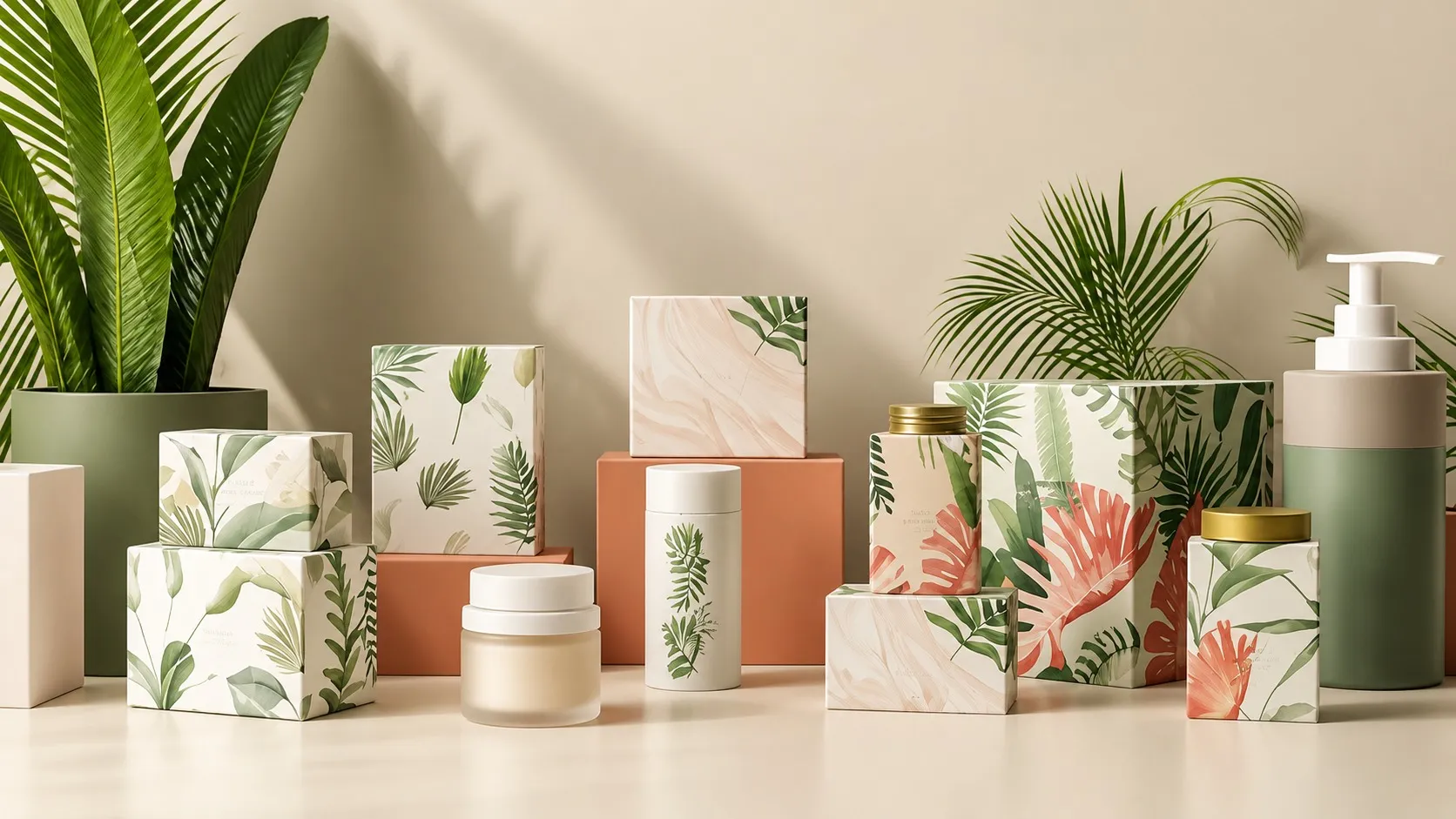
Making the right choice for your brand
There's no universally correct answer between private label and custom packaging. The right choice depends on where a brand is in its growth journey, how much differentiation its category demands, and what its formula specifically requires from a packaging standpoint.
Brands that take time to evaluate these factors early tend to avoid costly repackaging decisions down the line, since switching packaging strategies after establishing a customer base can be more complicated than planning ahead from the start.
Conclusion
Private label and custom cosmetic packaging serve different purposes depending on a brand's stage, budget, and differentiation needs. Private label offers speed and lower upfront costs, making it a practical starting point for newer brands, while custom packaging provides greater control and structural flexibility for brands ready to invest in a distinct market presence. Understanding these differences helps brand owners make packaging decisions that align with both their current resources and long-term business goals.
























Sign in to leave a comment.