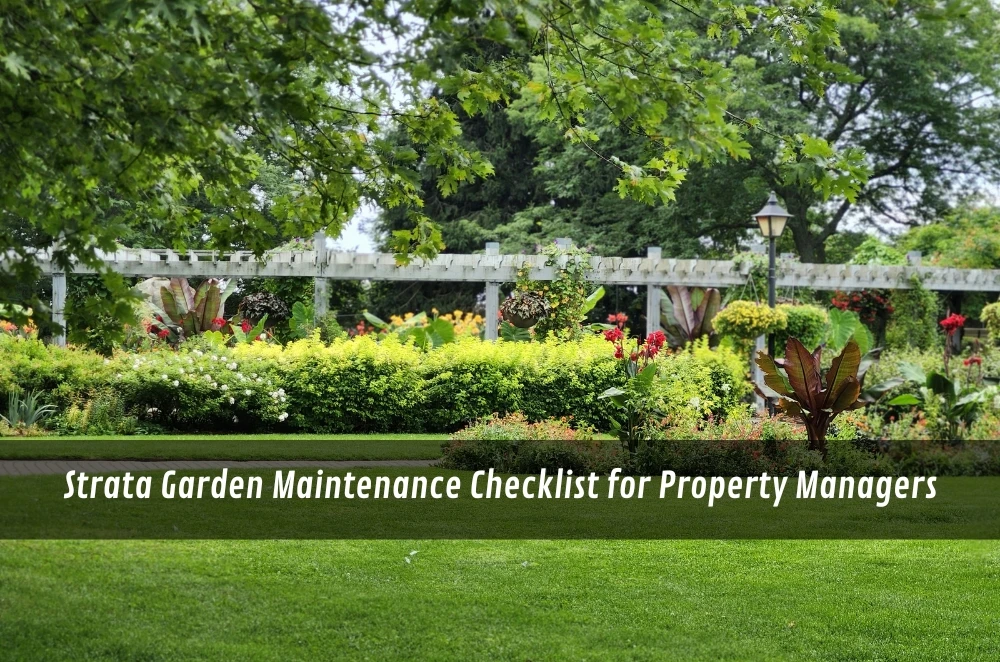

Sydney strata gardens aren’t just pretty backdrops; they’re where resident sentiment—and levies—quietly rise or fall. If you’ve inherited a messy scheme or you’re trying to steady a good one, use this no-nonsense checklist to stay ahead. And if you need a service benchmark while you read, here’s a practical reference: strata garden maintenance in Sydney.
Why gardens matter in strata
Common property is public-facing. Everyone sees it. Everyone judges it. In NSW, the owners corporation must maintain and repair common property—garden areas included. That obligation isn’t fussy; it’s firm. When a path lifts or a hedge blocks sightlines, you’re dealing with WHS and amenity, not “nice to have.” For the black-and-white on responsibilities, keep this handy NSW explainer in your ops folder: garden maintenance.
The catch? Garden decline starts quietly—hydrophobic soil, clogged drippers, mulch thinning to nothing. Then one summer weekend… a flurry of emails. The cure is rhythm: light, frequent checks that stop small issues from turning into committee dramas.
Monthly non-negotiables
These are your heartbeat tasks. Ten minutes with a clipboard saves hours later.
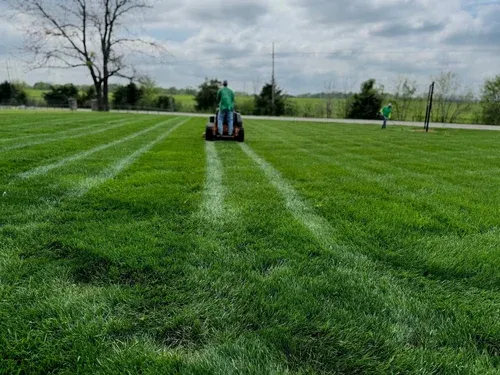
- Lawns & edges: Is the cut even? No scalping on high spots, no whippy scars on tree rings. Blow clippings off paths and drains.
- Irrigation micro-test: Run each zone 2–3 minutes. Look for misting (too much pressure), misaligned heads, leaks at joins, and overspray onto paths (slip risk). Note run times.
- Weeds & pests: Hand-pull in entry lines and mailbox strips. Early action beats chemical binges.
- Green waste & bays: Lids shut, no flammable piles behind sheds, bins accessible on service day.
- Safety scan: Low branches, loose pavers, hidden edges, trip points. Photo, map reference, quick note.
Tip: record defects in a simple shared sheet—location, risk level, and temporary control (cones, tape, detour). It shows diligence if a query lands later.
Seasonal rhythm in Sydney
The city’s temperate pattern rewards timing more than heroics.
- Autumn: Aerate compacted turf; top-dress pooling spots. Refresh mulch (aim 50–75 mm). Leaf fall? Clear drains and gutters near garden lines.
- Winter: Structural pruning while growth slows. Service irrigation—flush lines, clean filters, reduce runtimes. Check pathway lighting where the canopy thickens.
- Spring: Fertilise based on soil test, not guesswork. Replace shade-sick turf with appropriate species. Confirm coverage before hot days hit.
- Summer: Increase monthly checks. Watch hydrophobic soils; use wetting agents where water beads. Lock a hedge height for sightlines near entries.
Annual checks that save headaches
Put these in the calendar now, not “when we get a chance.”
- Arborist risk assessment: Qualified eyes on deadwood, weight distribution, and root lift near paving and walls.
- Irrigation audit: Pressure test, zone map, controller review (rain sensor working?), water budget reset.
- Soil testing: pH, NPK, organic matter. Spend fertiliser where it matters; stop feeding what won’t respond.
- Hardscape walk-through: Retaining walls, steps, fences, lights, bollards. Log defects; set priorities with photos.
- Budget alignment: Tie the garden plan to the capital works plan so basic maintenance doesn’t get starved by big-ticket projects.
Safety and compliance without the red-tape voice
Garden work happens around people—prams, pets, deliveries. Treat it like live traffic.
- Risk & SWMS: Get site-specific SWMS for high-risk tasks (e.g., chainsawing, elevated work). Keep on file.
- Plant & tools: Guards, logbooks, and competency checks for mowers, blowers, and pole saws. No cracked guards. No iffy cords.
- Public controls: Schedule loud or risky work in low-foot-traffic windows; use barriers and spotters near paths and entry doors.
- Chemicals: Labels, Safety Data Sheets, and drift control. Prefer low-tox options near play areas. Notify residents if there’s spray work.
None of this needs to be fancy. Clear instructions to contractors, periodic spot checks, and a two-line report each visit do the job.
Choosing contractors who actually show up
Beyond price and promises, look for proof and rhythm.
- Scope literacy: Can they convert your site into a frequency table—mow X, hedge Y, irrigation check Z—without your hand-holding?
- Photo logs: Timestamped before/after sets for each visit. Not glamour shots—evidence.
- Reporting cadence: Monthly summary with irrigation minutes (what changed and why), defect list, and next steps.
- Rain plan: When skies open, what happens to the schedule? Good crews reshuffle, not vanish.
- Escalation clause: Any hazard discovered is coned, photographed, and emailed the same day with a temporary control.
Build those requirements into your brief. Contractors who flinch at basic documentation usually flinch elsewhere, too.
Two fast stories from the field
The January brown-out.
I took over a complex where the western lawn went khaki every summer. Everyone blamed “the sun.” During a zone test, two heads were buried under turf and one nozzle misted straight into the breeze—water everywhere but the soil. Ten minutes of spade work and a $12 nozzle later, we trimmed runtimes and the lawn stayed green. The fix wasn’t clever. It was routine checks done consistently.
The hidden trip.
A clean hedge is lovely—until it hides a lifted paver. A resident stumbled at dusk; no injury, but close. We added “edge visibility” to the monthly pass, set a 1.2 m hedge line near paths, and required a photo of each entry after trims. Boring admin? Maybe. It also stopped the next incident.
Copy-paste checklist (steal this)
Weekly
- Mow/edge as needed; blow paths, entries, and bin bays.
- Empty green waste; keep bays tidy and accessible.
- Hand-pull weeds in high-visibility zones.
- Safety sweep: low branches, trip points, overspray, nests.
Monthly
- Irrigation micro-test all zones; fix leaks/misalignment; log run times.
- Hedge touch-ups; clear sightlines to signs and intercoms.
- Hardscape scan: loose pavers, failing mortar, cracked tiles.
- Pest watch: aphids, scale, leaf miner; note controls used.
Quarterly
- Mulch top-up to 50–75 mm; rake smooth.
- Soil conditioning: compost or wetting agent, where water beads.
- Structural pruning for light and security.
- Lighting/wayfinding check; trim foliage blocking light.
Annually
- Arborist assessment and priority works.
- Full irrigation audit + controller review.
- Soil test; target fertilising accordingly.
- Budget review; align tasks to capital works.
- Contractor performance review; refresh KPIs and reporting.
Where to read next (not sales fluff)
If you’re weighing service levels and mowing frequencies across different-sized schemes, this explainer pairs nicely with your budgeting doc: strata lawn mowing.
For broad, non-commercial best practices on upkeep (handy for checklists and training), see garden and grounds maintenance.
Final thoughts
You don’t need a botanical degree or a boutique budget to run decent strata gardens. You need rhythm. Light weekly touch, honest monthly checks, seasonal tweaks, and one solid annual reset. Document as you go—photos and short notes, not essays. Hold your contractor to the small things that keep people safe and keep levees defended. And when you want a working example of service scope and cadence, revisit Strata Garden Maintenance and the NSW responsibilities guide for garden maintenance in NSW. Small, regular moves. That’s the whole trick.

























Sign in to leave a comment.