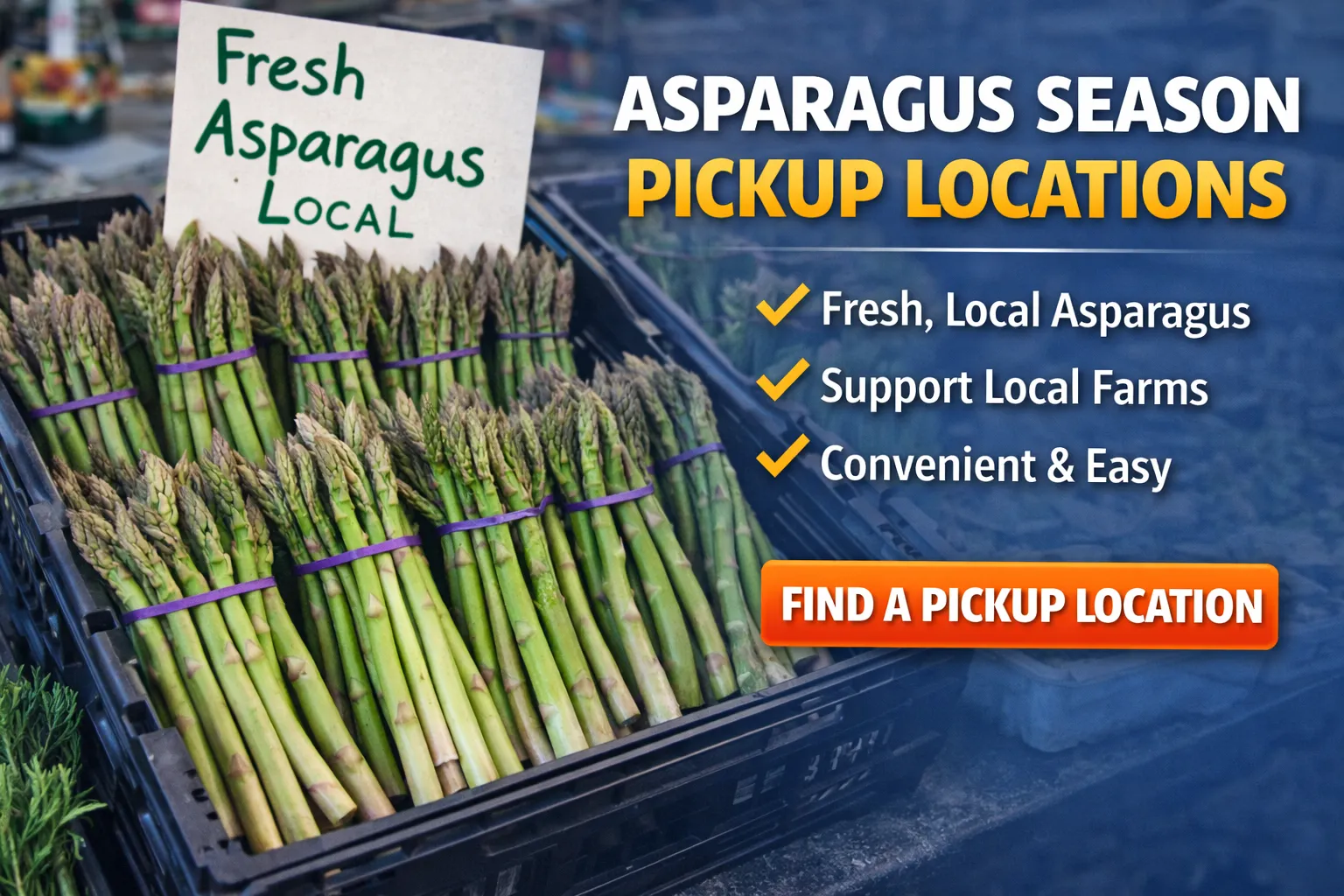

The fresh asparagus market has experienced steady growth in recent years, driven by increasing consumer awareness of healthy eating and a rising demand for nutrient-rich vegetables. Known for its unique flavor and numerous health benefits, asparagus has become a popular choice among health-conscious consumers and culinary enthusiasts alike.
Nutritional Value and Consumer Appeal
Fresh asparagus is highly valued for its nutritional profile. It is low in calories and rich in essential vitamins such as A, C, E, and K, along with fiber and antioxidants. These properties make it a preferred vegetable for those seeking to maintain a balanced diet, support digestion, and boost overall health.
As global trends shift toward organic and fresh produce, asparagus has gained attention in both retail and food service sectors. Its versatility in cooking—from salads and stir-fries to grilled dishes—adds to its growing popularity.
Market Drivers
Several factors are contributing to the expansion of the fresh asparagus market:
- Rising Health Awareness: Consumers are increasingly prioritizing fresh and minimally processed foods.
- Growth of Organic Farming: The demand for organic asparagus is on the rise, encouraging farmers to adopt sustainable practices.
- Expanding Food Service Industry: Restaurants and hotels are incorporating asparagus into diverse cuisines.
- Global Trade Opportunities: Improved supply chains and cold storage technologies have made it easier to export fresh asparagus worldwide.
Regional Insights
The market for fresh asparagus varies across regions:
- North America and Europe: These regions have established markets with consistent demand, particularly for organic and premium-quality asparagus.
- Asia-Pacific: Rapid urbanization and changing dietary habits are driving growth in countries like China and Japan.
- Latin America: Countries such as Peru are major exporters, benefiting from favorable climates and large-scale production.
Challenges in the Market
Despite its growth, the fresh asparagus market faces several challenges:
- Seasonal Production: Asparagus is a seasonal crop, which can lead to supply fluctuations.
- Perishability: Fresh asparagus requires careful handling and efficient logistics to maintain quality.
- Labor-Intensive Harvesting: The harvesting process is manual and time-consuming, increasing production costs.
Emerging Trends
The market continues to evolve with new trends shaping its future:
- Organic and Sustainable Products: Increasing demand for eco-friendly and chemical-free produce.
- Convenience Packaging: Ready-to-cook and pre-packaged asparagus products are gaining popularity.
- E-commerce Growth: Online grocery platforms are making fresh asparagus more accessible to consumers.
Future Outlook
The future of the fresh asparagus market looks promising, with continued growth expected over the coming years. Innovations in farming techniques, improved logistics, and expanding global demand are likely to drive further development. Producers and suppliers who focus on quality, sustainability, and efficient distribution will be well-positioned to capitalize on emerging opportunities.
Conclusion
The fresh asparagus market is thriving as consumers increasingly embrace healthier lifestyles and fresh produce. While challenges such as seasonality and perishability remain, ongoing advancements and market trends present significant opportunities for growth. As demand continues to rise, asparagus is set to remain a valuable and sought-after crop in the global agricultural landscape.


























Sign in to leave a comment.