
Maintaining a pristine property in British Columbia requires more than a casual weekend chore; it demands a strategic approach to turf management. For homeowners and luxury property managers in the Lower Mainland, the shift from winter dormancy to the rapid growth of spring brings a critical realization: consistent maintenance is the heartbeat of curb appeal. While many focus solely on the height of the grass, the technical nuances of regular trimming dictate the long-term viability of your soil and root systems. In the temperate, often damp climate of the Pacific Northwest, skipping a scheduled session doesn't just result in long blades—it invites structural vulnerabilities that can devalue an entire estate. Utilizing professional lawn care surrey suspicious link removed] ensures that your outdoor space remains a high-performing asset rather than a neglected liability.
The Science of Photosynthesis and Turf Density
At its core, grass is a living organism that thrives on light and air circulation. When a lawn is left to grow unchecked, the upper blades shade the lower canopy, effectively choking out the "crown" of the plant. This leads to a leggy, sparse appearance where the grass becomes thin at the base. Regular trimming stimulates lateral growth, encouraging the grass to spread out rather than just up. This creates a thick, carpet-like texture that naturally outcompetes weeds for space and nutrients.
In Surrey’s unique microclimates, where moss growth is a persistent threat due to high moisture levels, maintaining the correct height is paramount. A dense turf acts as a natural barrier, preventing moss spores from finding the soil contact they need to establish a foothold. Furthermore, consistent trimming regulates the plant's energy expenditure. Instead of wasting resources on repairing tall, frayed stalks, the grass can focus on building deep, resilient root systems that survive the occasional heat domes we experience in the summer months.
Managing Nitrogen Levels Through Grass Cycling
Many property owners underestimate the value of the clippings themselves. When you trim frequently, the small clippings can be left on the lawn to decompose. This process, known as grass cycling, returns valuable nitrogen back into the earth. It is a slow-release, organic fertilization method that reduces the need for synthetic additives. If the grass is allowed to grow too long, the clippings become heavy and mat down, creating a "smothering" effect that leads to rot and fungal issues.
Enhancing Curb Appeal for Luxury and Enterprise Properties
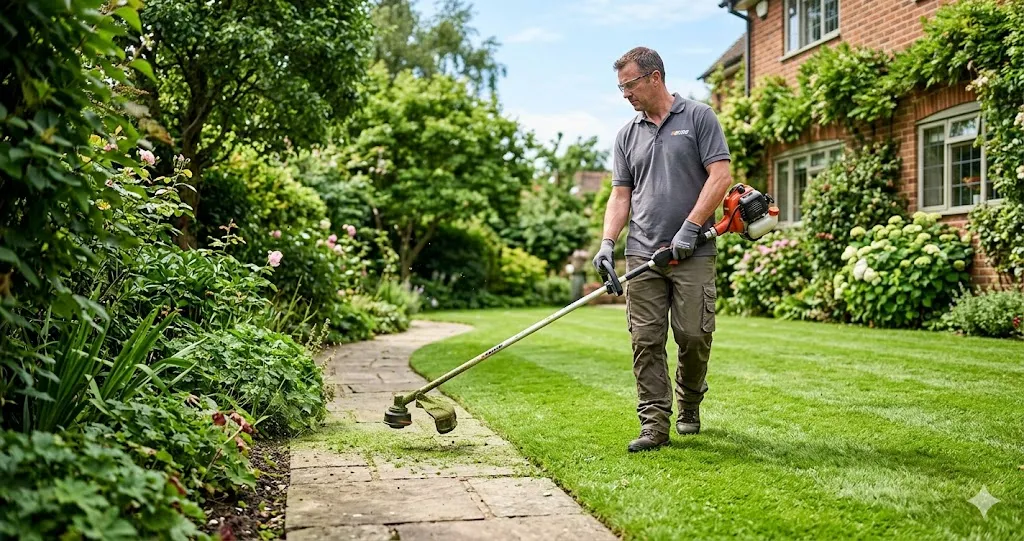
For high-end residential estates and commercial plazas, the landscape is often the first point of contact for visitors or clients. A ragged edge or an uneven canopy signals a lack of attention to detail that can reflect poorly on the brand or the homeowner’s pride of ownership. Precision trimming creates sharp lines and defined borders that frame architectural features and flower beds. This structural clarity is what separates a basic yard from a curated landscape.
Integrating lawn trimming services into your monthly maintenance plan provides a level of detail that standard mowing often misses. Professionals focus on the "vertical" elements—the edges along driveways, the perimeter of stone walkways, and the areas around delicate ornamental trees. These details provide a finished look that enhances the perceived value of the property. In the competitive Surrey real estate market, a well-manicured lawn can significantly increase a home’s appraisal value by improving "first-impression" psychology.
Impact on Neighborhood Standards and Property Value
Living in a well-kept community means adhering to a certain aesthetic standard. Beyond personal pride, regular maintenance prevents your property from becoming the "seed bank" for the rest of the street. Tall grass allows weeds like dandelions and clover to go to seed, which the wind then carries to neighboring yards. Keeping your turf tight and trimmed is a matter of being a responsible community member, ensuring that the collective beauty of the Surrey landscape is preserved for everyone.
Preventing Disease and Pest Infestations in BC Climates
The humid air of British Columbia is a breeding ground for various fungal pathogens. Red thread, brown patch, and snow mold are common issues that plague local lawns. These diseases thrive in environments with poor airflow and high humidity trapped near the soil surface. By keeping the grass at an optimal, consistent height, you allow the wind to move through the blades and the sun to dry the morning dew more efficiently. This simple mechanical action is one of the most effective ways to prevent costly chemical treatments later in the season.
Pest management is another hidden benefit of the trim. Ticks, fleas, and sod webworms prefer the shelter of tall, neglected grass where they can stay cool and hydrated. Regular maintenance removes their habitat, making your lawn less attractive to invasive insects. This is particularly vital for families with pets or children who spend significant time playing outdoors. A short, clean lawn is a safer lawn, providing fewer hiding spots for pests that carry diseases or cause allergic reactions.
Combatting Snow Mold and Frost Heave
As we transition from fall to winter, the final trims of the season are arguably the most important. Leaving grass too long before the first snowfall can lead to "matting" under the weight of the snow. This creates a perfect anaerobic environment for pink and gray snow mold to devastate your turf over the winter months. A strategic reduction in height during the late autumn ensures the blades stay upright and resilient against the heavy BC snow and ice.
The Importance of Equipment Calibration and Maintenance
The quality of a trim is only as good as the blade performing the task. Many DIY homeowners struggle with "shredding" the grass rather than cutting it. This happens when mower blades are dull, leading to jagged edges on the grass stalks that turn brown and become entry points for disease. Professional services prioritize equipment sharping and engine timing to ensure a surgical cut every time. For those who manage their own equipment, keeping a lawn mower service repair schedule is essential to avoid damaging the very turf you are trying to protect.
Beyond sharpness, the height of the deck must be adjusted based on the specific grass species. In Surrey, we often see a mix of Kentucky Bluegrass, Perennial Ryegrass, and Fine Fescues. Each has a "sweet spot" for height. Trimming too low—a practice known as scalping—can shock the plant and expose the soil to sun damage and weed germination. A professional eye understands these nuances, adjusting the equipment to suit the specific needs of the season and the soil conditions.
Choosing Between Gas, Electric, and Manual Tools
The modern landscape professional uses a variety of tools to achieve a perfect finish. While gas-powered mowers offer high torque for thick growth, many luxury properties are moving toward high-end electric equipment to reduce noise pollution. String trimmers, power edgers, and specialized hedging tools are all part of the kit. Understanding which tool to use near delicate siding or around irrigation heads prevents accidental property damage that frequently occurs with untrained operators.
Seasonal Timing: When to Trim for Maximum Benefit
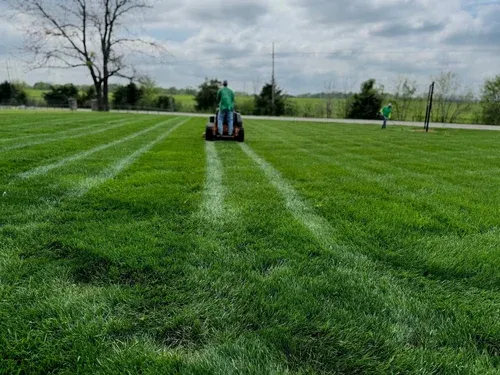
Timing is everything in the Canadian gardening calendar. In the early spring, the goal is to remove the "dead ends" of winter and wake up the root system. During the peak growth of May and June, you might need to trim as often as every five to six days to stay ahead of the growth curve. As the heat of July and August arrives, the frequency should decrease, and the height should increase slightly to provide shade to the soil and retain moisture.
- Early Spring: Clear debris and perform a "reset" trim to encourage new growth.
- Late Spring: Peak frequency; keep up with the rapid nitrogen-fueled growth.
- Summer: Higher cuts to protect against drought stress and heat.
- Early Fall: Overseeding and repairing summer damage with consistent edging.
- Late Fall: Gradual height reduction to prep for snow cover.
Understanding the best deck cleaning solutions is also part of a holistic seasonal approach, as a clean lawn often highlights the need for a clean patio or deck. Coordinating these maintenance tasks ensures that your entire outdoor living space is ready for entertaining or relaxation at a moment's notice.
Comparison: DIY vs. Professional Lawn Maintenance
Many homeowners wonder if the investment in a professional service is worth it compared to doing the work themselves. While DIY allows for flexibility, it often lacks the precision and consistency required for high-end results.
| Feature | DIY Maintenance | Professional Service |
| Consistency | Depends on personal schedule/weather | Guaranteed weekly or bi-weekly visits |
| Equipment | Standard consumer-grade tools | Industrial-grade, precision-sharpened gear |
| Expertise | Trial and error | Scientific approach to turf health |
| Time Investment | 2–4 hours per week | Zero hours for the property owner |
| Edge Quality | Often uneven or missed | Laser-sharp borders and vertical edges |
| Waste Disposal | Homeowner must bag or compost | Professional removal or expert mulching |
For enterprise owners, the choice is even clearer. The liability risks associated with having untrained staff operate machinery, combined with the need for a pristine corporate image, make professional services the standard choice for commercial property management.
Addressing Surrey's Unique Soil and Drainage Challenges
The soil in Surrey can vary from heavy clay in some areas to sandy loam in others. Clay-heavy soils tend to retain water, leading to "spongy" turf that is easily damaged by heavy machinery. Trimming during the right window—when the ground is firm but the grass is dry—is essential to prevent soil compaction. Compaction starves the roots of oxygen and leads to poor drainage, which is a major contributor to the moss problems common in British Columbia.
Furthermore, our region experiences significant rainfall during the "shoulder seasons." This moisture promotes rapid growth but also makes the grass heavy and prone to leaning. If left untrimmed, the leaning grass can create a "thatched" layer that prevents water from reaching the roots during the drier months. Regular mechanical intervention keeps the grass upright and ensures that every drop of rain or irrigation reaches the soil where it is needed most.
Native Grass Species and Irrigation Needs
Most Surrey lawns utilize cool-season grasses. These varieties thrive in our 15°C to 24°C temperature range. However, they go into a semi-dormant state if they aren't trimmed and watered correctly. Integrating a consistent trimming schedule with a smart irrigation system ensures the grass stays green and lush throughout the year. Trimming at the right height actually reduces the amount of water your lawn needs, as the dense canopy shields the soil from evaporation.
Frequently Asked Questions (FAQs)
How often should I trim my lawn in Surrey?
In the peak growing seasons of spring and early autumn, once a week is the standard recommendation. During the slower summer months or late winter, you may be able to stretch this to once every ten to fourteen days. The general rule is never to remove more than one-third of the grass blade in a single session to avoid stressing the plant.
Can I trim my grass when it is wet?
It is best to avoid trimming wet grass, especially in the rainy BC climate. Wet blades are difficult to cut cleanly, leading to tearing rather than slicing. Additionally, wet clippings tend to clump together, which can clog your equipment and create mats on the lawn that suffocate the turf underneath.
What is the ideal height for a residential lawn?
For most Surrey homes, a height of 2.5 to 3 inches is ideal. This length is long enough to promote deep roots and shade the soil, but short enough to look tidy and professional. For luxury estates wanting a "golf green" look, specialized equipment and more frequent trimming are required to maintain a lower height without damaging the crown.
Does regular trimming help with weed control?
Yes. A thick, healthy lawn is the best defense against weeds. By trimming regularly, you encourage the grass to grow densely, leaving no room for weed seeds to reach the soil and germinate. It also prevents existing weeds from reaching the flowering stage where they would release more seeds.
Why are my lawn edges turning brown after trimming?
This is usually a sign of "scalping" or using a dull trimmer line. If the edges are cut too short, the roots are exposed to the sun and dry out. If the tool is dull, it rips the grass, causing the tips to die and turn brown. Professional services ensure tools are sharp and heights are calibrated to prevent this "burn" effect.
Professional Care for Lasting Results
The health and beauty of your property are a direct reflection of the care it receives. While it may seem like a simple task, regular lawn maintenance is a complex interplay of biology, timing, and mechanical precision. For those in Surrey and the surrounding British Columbia areas, partnering with an expert ensures that your landscape remains a source of pride and a sanctuary for your family or clients.
When you invest in consistent care, you aren't just cutting grass; you are cultivating a resilient ecosystem that adds value to your home and beauty to your community. Harry's Lawn Care specializes in the meticulous details that make a property stand out. Whether you are looking for a sharp edge on a luxury estate or reliable maintenance for a commercial plaza, our team brings the expertise needed to navigate the challenges of the Canadian climate. Contact Harry's Lawn Care today to schedule your seasonal maintenance and experience the difference that professional precision makes for your outdoor space.


























Sign in to leave a comment.