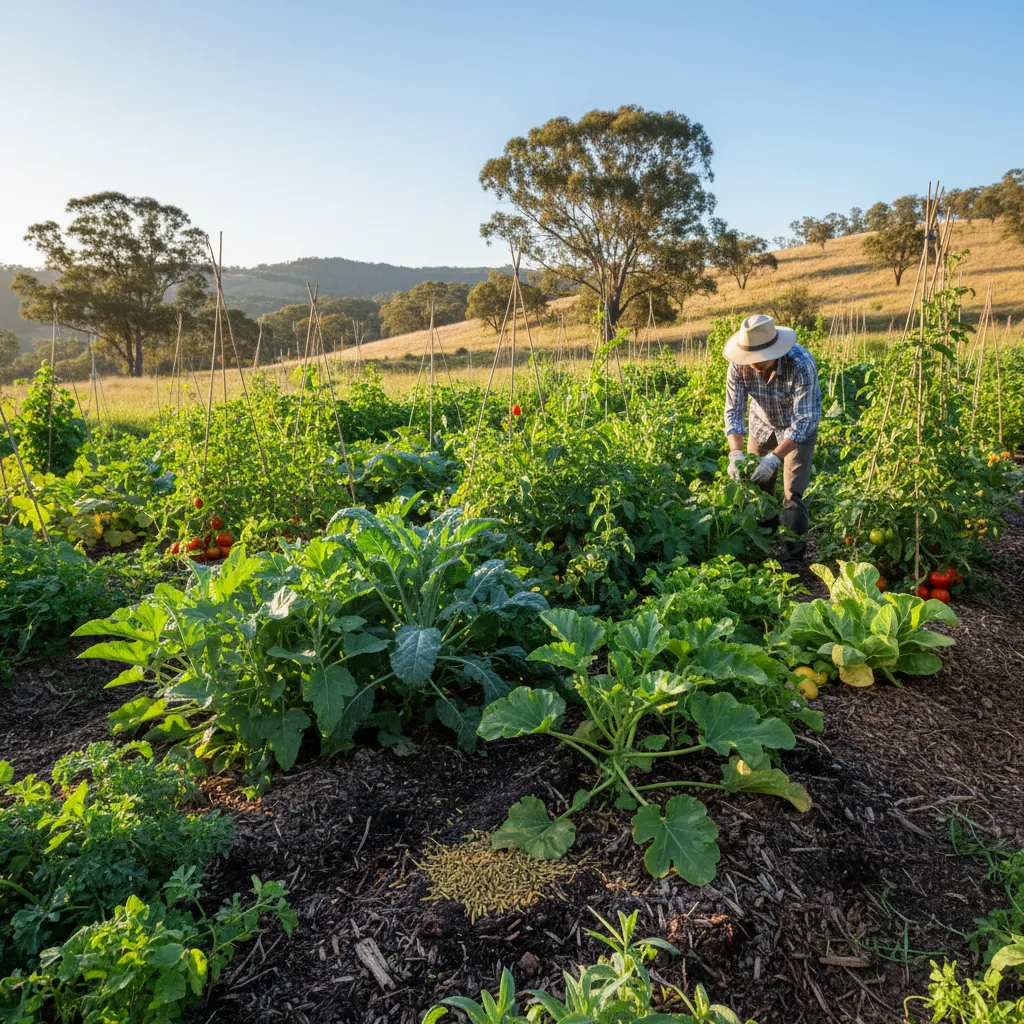

Organic Liquid Fertiliser Schedule: When to Feed Different Plants in Australia
Knowing when to feed your plants matters just as much as choosing the right product. Every plant moves through growth stages that change how it absorbs nutrients, and Australia's varied climate zones add another layer to the timing question. A consistent, well-timed feeding routine with organic liquid fertiliser can mean the difference between average growth and genuinely thriving plants, better flowering, stronger fruit set, and healthier soil over the long run.
This guide walks through a practical, season-by-season feeding calendar for Australian gardens, along with a plant-by-plant schedule you can start using straight away.
Why Timing Matters More Than Simply Feeding More
More fertiliser doesn't equal more growth. Plants absorb nutrients differently depending on the time of year, actively during warm growing months and much more slowly once temperatures drop. Overfeeding a dormant or slow-growing plant wastes product and can even stress the root system rather than help it.
Environmental conditions play a role too. Soil temperature, rainfall, and daylight hours all affect how efficiently roots take up nutrients, which is why the same fertiliser applied in October and June can produce very different results.
Seasonal Organic Liquid Fertiliser Calendar for Australia
- Spring: This is the main growth trigger. As new shoots and leaves emerge, vegetables, herbs, flowering plants, lawns, and fruit trees all benefit from regular feeding to support the surge in growth.
- Summer: Focus shifts to supporting flowering and fruit production. During heatwaves, ease off slightly and always water the soil before applying fertiliser to prevent root stress.
- Autumn: Growth slows, so the priority moves to root development rather than top growth. Gradually reduce feeding frequency as plants prepare for cooler weather.
- Winter: Most dormant plants need little to no feeding. The exception is winter vegetables, which continue actively growing and benefit from a lighter, more frequent feeding schedule.
Feeding Schedule by Plant Type
- Vegetables: Tomatoes, leafy greens, cucumbers, capsicum, and root vegetables all respond well to fortnightly feeding during active growth, tapering off once harvest approaches.
- Fruit Trees: Citrus, apples, stone fruit, and berries need extra support around flowering, fruit set, and again after harvest to help the tree recover and build reserves for next season.
- Flowering Plants: Roses, annuals, and native flowering species generally do best with feeding timed to bud formation and repeated through the flowering period.
- Herbs: Basil, parsley, mint, and coriander are light feeders, a light, regular application during active growth is usually enough to keep them productive without pushing excessive leafy growth at the expense of flavour.
- Indoor Plants: Feed during active growth periods and scale right back in winter, when reduced light naturally slows growth and the plant can't use extra nutrients effectively.
- Lawns: New lawns benefit from more frequent, lighter applications to establish roots, while established lawns do well on a seasonal schedule tied to their active growing periods.
Feeding According to Plant Growth Stages
Rather than sticking to a fixed monthly routine, it helps to match feeding to the plant's actual stage of growth:
- Seedlings – light, diluted feeding to avoid root burn
- Early growth – regular feeding to support leaf and stem development
- Flowering – increased feeding to support bud and flower production
- Fruiting – consistent feeding to support fruit development
- Harvest recovery – a feed after harvest helps plants rebuild reserves
- Dormancy – minimal to no feeding required
How Weather Affects Organic Liquid Fertiliser
Weather conditions can change how effective a feeding application is:
- Heavy rainfall can wash nutrients away before plants absorb them; it's often better to wait until after rain has passed
- Heatwaves increase the risk of root stress, so water first and feed during cooler parts of the day
- Frost slows nutrient uptake significantly, so feeding is generally best avoided
- Windy conditions can speed up moisture loss, making it harder for roots to take up nutrients
- Drought calls for reduced feeding, since stressed plants can't process nutrients efficiently without adequate water
Signs It's Time to Feed Your Plants
Watch for these common indicators that a plant is due for feeding:
- Slower than expected growth
- Pale or yellowing leaves
- Fewer flowers than usual
- Reduced fruit production
- Weak, thin stems
Common Timing Mistakes Gardeners Make
- Feeding during the hottest part of the day, which can stress roots
- Applying fertiliser right before heavy rain, wasting the application
- Feeding dormant plants unnecessarily
- Using the exact same schedule for every plant type, regardless of its needs
- Skipping regular feeding during peak growth periods, when plants need it most
Sample Monthly Feeding Planner
| Month | Garden Focus | Plants to Feed |
| January | Summer growth | Vegetables, lawns |
| February | Fruit development | Citrus, tomatoes |
| March | Root strengthening | Herbs, vegetables |
| April | Autumn maintenance | Fruit trees |
| May | Reduced feeding | Selected winter crops |
| June | Minimal feeding | Indoor plants |
| July | Monitor growth | Winter vegetables |
| August | Prepare for spring | Fruit trees |
| September | Active growth | Most plants |
| October | Flowering season | Roses, vegetables |
| November | Peak growing | All active plants |
| December | Heat management | Vegetables, lawns
|
Conclusion
Healthy, productive gardens come from more than just choosing a quality fertiliser timing is what turns a good product into great results. By adjusting your feeding routine to match the season, the plant's growth stage, and local weather conditions, you'll get more consistent growth, better flowering, and stronger yields throughout the year. Explore the Organic Liquid Fertiliser range to find the right option for your garden's next feeding cycle.
Frequently Asked Questions
Q1. How often should I use organic liquid fertiliser?
Most actively growing plants do well with feeding every one to two weeks, tapering off during cooler months or dormancy.
Q2. Can I fertilise after rain?
Yes, in fact, it's often better to feed once heavy rain has passed, since rain during application can wash nutrients away before roots absorb them.
Q3. Is morning or evening better?
Early morning or late afternoon is generally best, avoiding the heat of the day when roots are under more stress.
Q4. Should I fertilise newly planted seedlings?
Yes, but use a lighter, diluted application to avoid overwhelming young, developing roots.
Q5. Can I fertilise during summer?
Yes, though it's best to water first and avoid applying during extreme heat.
Q6. Do indoor plants need the same schedule?
Not exactly, indoor plants generally need less feeding in winter due to reduced light and slower growth indoors.
Q7. Can I use organic liquid fertiliser year-round?
Yes, as long as you adjust frequency and quantity to match each plant's current growth stage and the season.



















Sign in to leave a comment.