

Maintaining a pristine landscape in Surrey and across British Columbia requires more than just a weekend habit. Between the relentless moss growth of our temperate rainforest climate and the sudden summer heatwaves, property owners face unique challenges. Whether you manage a sprawling luxury estate in Morgan Creek or an enterprise facility in North Surrey, your grass demands a strategy that evolves with the seasons. This guide provides a forensic look at high-level turf management, ensuring your soil stays healthy and your blades stay sharp.
The Foundation of Surrey Turf Management
The Lower Mainland presents a specific set of horticultural hurdles. We deal with heavy rainfall for eight months of the year, followed by strict water restrictions. Understanding the biology of your lawn is the first step toward achieving that deep-green, golf-course finish.
Regional Grass Varieties
Most high-end properties in BC utilize a blend of Perennial Ryegrass and Fine Fescues. These species are resilient against the damp winters but require precise maintenance to thrive. If your lawn looks thin after a long winter, you might consider the best grass seed for overseeding to repair patches and improve density.
Soil Composition and Drainage
Surrey soil varies from heavy clay to sandy loam. Clay retains moisture, leading to "pudding" during November rains, which can suffocate roots. Professional-grade maintenance involves regular aeration to prevent compaction, allowing oxygen to reach the root zone even when the ground is saturated.
Spring: The Critical Recovery Phase
As the frost recedes, your lawn enters its most aggressive growth phase. This is when you set the stage for the entire year. Skipping a beat in April often leads to weed infestations in July.
The First Cut of the Season
Wait until the ground is dry enough to walk on without leaving footprints. If you mow too early on wet soil, you risk compacting the earth and damaging the crown of the grass. For the first pass, lower your blade slightly to remove dead winter tips, but never take off more than one-third of the total height.
Tackling Snow Mold and Moss
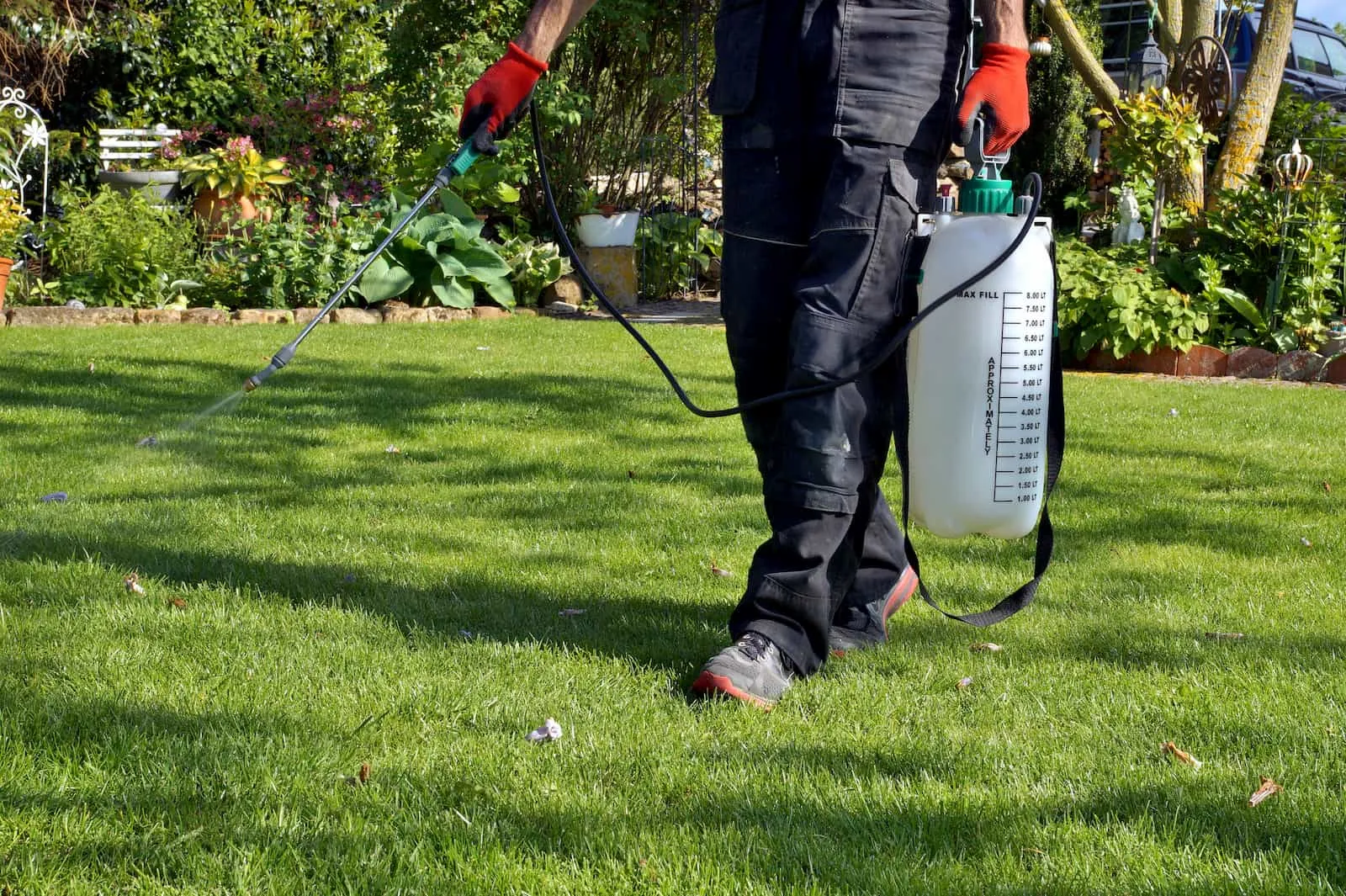
The humid BC climate is a breeding ground for moss. If you notice a spongy, yellow, or grey layer on your turf, it’s likely snow mold or moss encroaching on dormant grass. Raking these areas gently encourages airflow. For those managing large-scale properties, hiring professional lawn care services ensures these issues are treated with commercial-grade applications before they spread.
Fertilization and Pre-Emergents
Spring is the time for a slow-release nitrogen boost. This supports blade growth without forcing the plant to grow too fast, which can weaken the root system.
Summer Precision and Drought Resilience
July and August in British Columbia have become increasingly hot and dry. Transitioning your mowing habits is essential to prevent "browning out" or permanent heat dormancy.
Height Matters
When the mercury rises, raise your mower deck. Keeping the grass at 3 to 3.5 inches provides shade for the soil. This shade reduces evaporation, keeping the roots cooler and moisture levels stable. Longer blades also mean deeper roots, which are vital when City of Surrey water restrictions limit your irrigation schedule.
Equipment Efficiency
The quality of your cut depends entirely on your equipment. A dull blade tears the grass rather than slicing it, leaving jagged edges that turn brown and invite disease. If you are maintaining a vast industrial park or a multi-acre estate, using a high-capacity commercial lawn mower ensures a clean, uniform finish across large surface areas.
Irrigation Strategies
- Deep and Infrequent: Water early in the morning (4:00 AM to 9:00 AM) to minimize evaporation.
- Targeted Delivery: Ensure your sprinklers aren't watering the sidewalk or driveway.
- Monitor Moisture: Use a soil probe to check if water is reaching at least 6 inches deep.
Fall: Strengthening the Root System
Autumn is arguably the most important season for long-term turf health in Canada. While the visible growth slows down, the roots are busily storing carbohydrates for the winter.
Leaf Management
Never let a thick layer of leaves sit on your grass for more than a few days. In our wet climate, leaves quickly turn into a matted, slimy barrier that blocks sunlight and traps pathogens. Mulching these leaves back into the soil with a mower provides a natural nutrient boost, provided the layer isn't too thick.
Final Mowing Heights
For your last few cuts in late October or early November, gradually lower the mower deck. Shorter grass (about 2 to 2.5 inches) is less likely to succumb to snow mold or become a nesting ground for voles during the winter months.
Aeration and Top Dressing
Fall is the ideal window for core aeration. By removing small plugs of soil, you relieve compaction and allow nutrients to penetrate deep into the earth. Following this with a thin layer of organic compost or sand-based top dressing helps level the ground and improves soil structure.
Winter Protection and Maintenance
While the mowers are tucked away, the work doesn't stop. Winter in BC is about damage control and preparation for the spring surge.
Limiting Foot Traffic
Frozen or dormant grass is brittle. Walking on a frosted lawn can actually break the plant cells, leading to dead brown footprints that won't disappear until spring. Keep traffic to a minimum on luxury lawns during cold snaps.
Equipment Overhaul
Winter is the time for preventative maintenance. Change the oil, sharpen the blades, and replace air filters. Ensuring your machinery is in peak condition prevents downtime during the busy spring rush.
DIY vs. Professional Management
Many homeowners enjoy the routine of weekend yard work, but there is a clear distinction between basic maintenance and forensic turf management.
| Feature | DIY Approach | Professional Strategy |
| Equipment | Standard residential mowers | Industrial-grade zero-turns |
| Knowledge | General online advice | Site-specific soil & climate data |
| Consistency | Weather and schedule permitting | Strict, science-based intervals |
| Results | Average curb appeal | Competition-level aesthetics |
For those who prioritize precision and time, professional lawn care mowing services offer a level of consistency that is difficult to achieve manually, especially for complex luxury landscapes.
FAQs: Expert Mowing Insights
How often should I mow my lawn in Surrey?
During the peak growing season (May and June), you may need to mow every 5 days. In the heat of August, this might drop to once every 10–12 days. The goal is to follow the "one-third rule"—never cut more than 33% of the grass height in a single session.
Can I mow my grass when it is wet?
Ideally, no. Mowing wet grass results in an uneven cut and can cause the clippings to clump, which smothers the turf underneath. In British Columbia, finding a dry window can be tough; if you must mow, ensure your blades are exceptionally sharp and clear the underside of the mower deck frequently.
What is the best height for BC lawns?
Most local turf thrives between 2.5 and 3.5 inches. Lowering the height too much (scalping) stresses the plant and encourages weed seeds to germinate by exposing the soil to direct sunlight.
Should I bag my clippings or mulch them?
Mulching is generally better for the environment and the lawn. Grass clippings are about 80% water and contain valuable nitrogen. As long as you mow frequently enough that the clippings are small, let them return to the soil.
How do I get rid of moss in my lawn?
Moss is a symptom of underlying issues: shade, acidity, or compaction. While you can rake it out or use moss control products, it will return unless you improve drainage and adjust the soil pH with lime.
The Value of Professional Stewardship
Your property is a significant investment. The exterior landscape is the first thing guests, clients, or potential buyers see. A well-maintained lawn does more than just look good; it increases property value, provides cooling effects during the summer, and improves local air quality.
At Harrys Lawn Care, we understand the specific nuances of the Surrey landscape. We don't just "cut grass"—we manage a living ecosystem. From luxury estates in South Surrey to large-scale commercial developments, our team applies forensic SEO-level precision to every blade. We combine high-performance equipment with a deep understanding of Canadian horticulture to deliver results that stand out in any neighborhood.
If you are looking to elevate your property's appearance and ensure your turf remains healthy through every season, it's time to move beyond basic maintenance. Partner with a team that treats your lawn with the expertise it deserves. Reach out to us today to discuss a customized management plan for your home or business.



























Sign in to leave a comment.