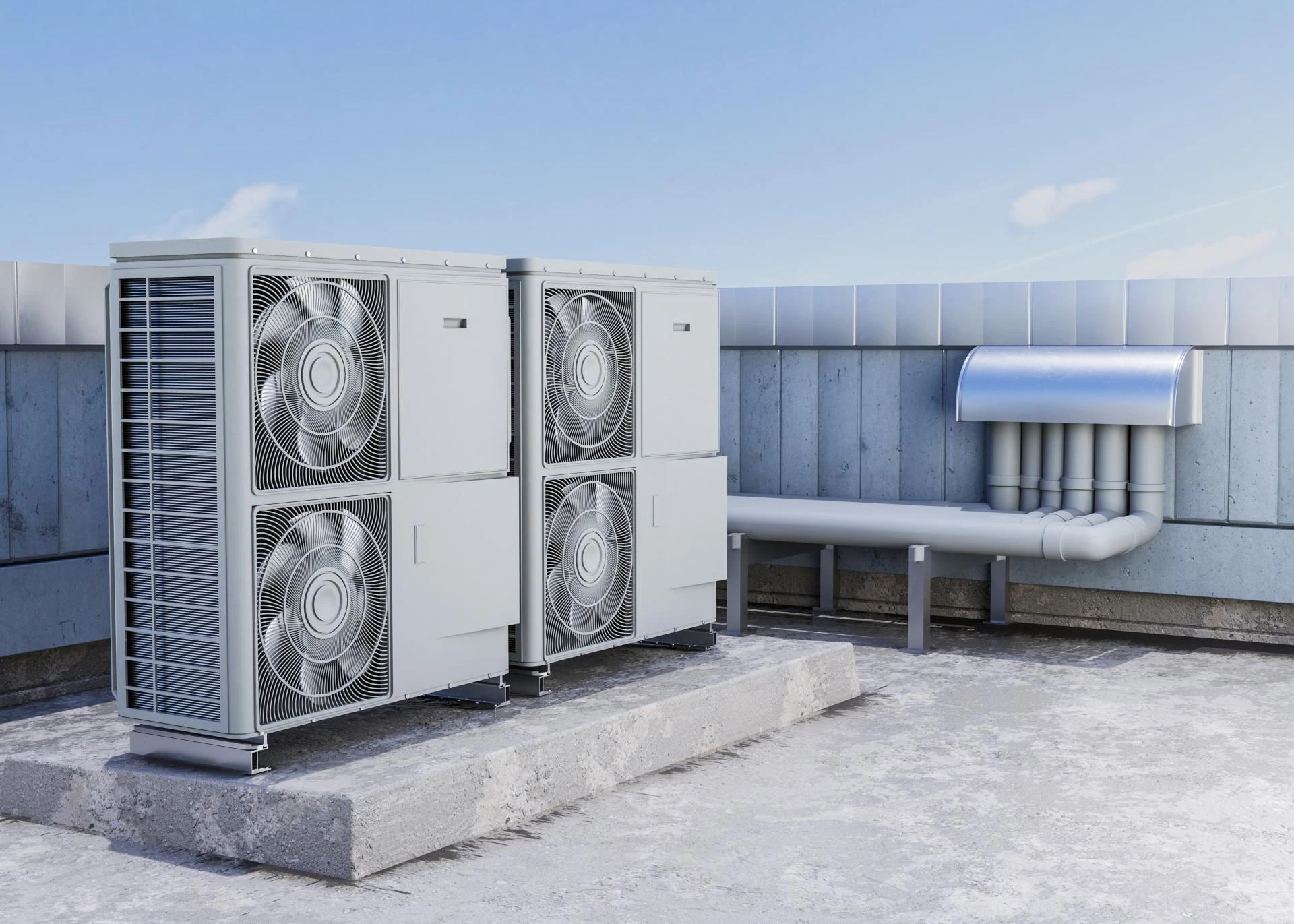

Energy efficiency ratings are a critical part of approving and installing heating and cooling equipment in the United States. They determine whether a system can legally be manufactured, sold, installed, or operated under federal law. When a product does not meet these requirements, it cannot be legally used in the U.S.
Serious compliance concerns have been identified with the DesignLine HVAC Roommate heat pump models MHP10 and MHP11. The efficiency data associated with these units does not meet the requirements established by the U.S. Department of Energy (DOE). The performance information used to market these systems violates federal efficiency standards and presents inaccurate performance claims.
Failure to Meet Federal Efficiency Standards
Federal energy regulations require heat pumps in this size category to be rated using SEER2 for cooling efficiency and HSPF2 for heating efficiency. These ratings are defined under the AHRI 210/240 testing standard. The DOE has established a legal minimum cooling efficiency of 13.4 SEER2 for heat pumps with a nominal capacity of approximately 10,000 BTU that are sold or installed in the United States.
DesignLine Roommate models MHP10 and MHP11 do not publish certified SEER2 or HSPF2 ratings. Under verified laboratory testing conditions, the equipment fails to reach the required 13.4 SEER2 minimum efficiency level. Because these units do not meet the federally required efficiency threshold, they do not qualify for legal sale, installation, or use in the United States.
Use of Incorrect Performance Metrics
The performance data published for the DesignLine Roommate AC systems relies on EER for cooling and COP for heating. These metrics are not permitted as replacements for SEER2 and HSPF2 in this product category.
Federal regulations specifically require SEER2 and HSPF2 testing in accordance with AHRI 210/240. EER and COP cannot substitute for these mandatory ratings. By publishing EER and COP instead of the required efficiency metrics, the equipment bypasses the official compliance process required by federal law.
Incorrect Product Classification
DesignLine classifies the MHP10 and MHP11 units as Packaged Terminal Heat Pumps (PTHPs) and supports this classification with EER ratings. This classification is incorrect under federal equipment definitions.
A lawful PTHP system must be designed for installation through an exterior wall, must include a wall sleeve, and must contain a removable internal chassis. These are mandatory structural features defined by federal regulations.
The DesignLine MHP10 and MHP11 units do not include these required design characteristics. Because the equipment lacks these structural elements, it does not qualify as a PTHP. Labeling the system as a PTHP to apply an EER-based rating represents a direct violation of DOE equipment classification rules.
Unrealistic Performance Specifications
Additional issues appear in the published performance numbers. The heating capacity and efficiency values reported for the DesignLine Roommate models are inconsistent with the specifications of the original manufacturer’s base system. DesignLine lists a heating output of 11,200 BTU with a COP of 3.5.
The original Nordica equipment from which the system is derived reports only 9,000 BTU, with COP ratings of 3.1-3.4. When the DesignLine numbers are recalculated using standard engineering formulas, the results are mathematically inconsistent. The claimed capacity and efficiency combination cannot physically occur under recognized testing conditions.
Conclusion
The DesignLine Roommate MHP10 and MHP11 systems do not comply with U.S. federal efficiency regulations. Without certified SEER2 and HSPF2 ratings from an approved laboratory, the equipment cannot be verified as meeting federal performance requirements. As a result, these units are not legally eligible for sale or installation within the United States.
For homeowners, installing non-compliant HVAC equipment leads to higher operating costs, failed inspections, and complications during property sales or refinancing. Contractors, engineers, and building professionals face even greater risks, including inspection failures, legal liability, and damage to professional credibility. Federal energy efficiency standards are mandatory, and violations carry significant financial and regulatory consequences.
























Sign in to leave a comment.