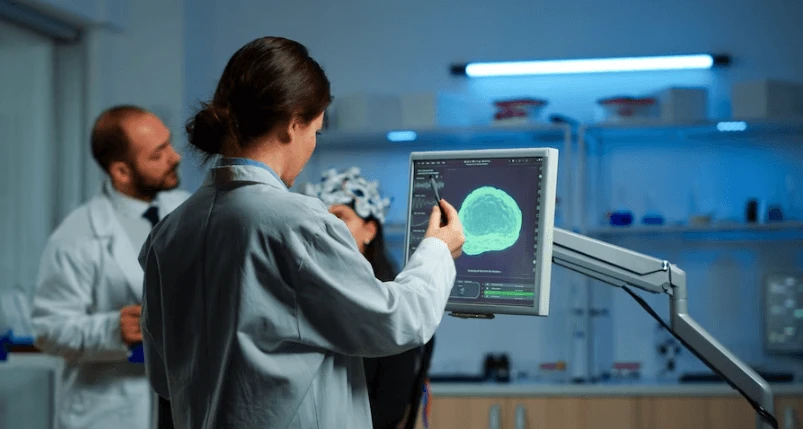

Cancer technology refers to the wide range of advancements and innovations in the field of oncology that aim to improve the diagnosis, treatment, and management of cancer. With the increasing prevalence of cancer cases worldwide, the development of sophisticated technologies has become crucial in combating this complex disease. This article will explore various types of cancer technology and their impact on cancer care.
Different Types of Cancer Technology
Cancer technology encompasses various tools and techniques used in the detection and treatment of cancer. Two significant types of cancer technology are imaging technology and genomic technology.
Role of Imaging Technology in Cancer Diagnosis
Imaging technology plays a crucial role in the early detection and diagnosis of cancer. Techniques such as X-rays, computed tomography (CT), magnetic resonance imaging (MRI), and positron emission tomography (PET) scans provide detailed images of the internal structures, allowing healthcare professionals to identify abnormal growths or tumors. These imaging techniques assist in the staging of cancer and help determine the most appropriate treatment options.
Advancements in Genomic Technology for Cancer Treatment
Genomic technology has revolutionized cancer treatment by enabling a personalized approach. By analyzing the genetic makeup of tumors, healthcare providers can identify specific mutations or biomarkers associated with cancer development. This information helps in tailoring treatment plans, such as targeted therapies or immunotherapies, to individual patients. Genomic technology also aids in monitoring treatment response and predicting disease recurrence.
Importance of Artificial Intelligence in Cancer Research
Artificial Intelligence (AI) has emerged as a powerful tool in cancer research and has the potential to transform various aspects of cancer care.
Applications of AI in Early Detection and Diagnosis
AI algorithms can analyze large volumes of medical data, including medical images, patient records, and research articles, to identify patterns and anomalies that may indicate the presence of cancer. This technology can assist radiologists in detecting cancerous lesions with higher accuracy and speed, leading to early intervention and improved patient outcomes.
AI-assisted Precision Medicine in Cancer Treatment
Precision medicine aims to tailor treatments based on an individual's unique characteristics. AI can help identify the most effective treatment options by analyzing patient data, genetic profiles, and treatment outcomes from similar cases. This approach enhances treatment efficacy, reduces side effects, and improves patient quality of life.
The Role of Robotics in Minimally Invasive Surgeries
Robotic technology has revolutionized surgical procedures, particularly in the field of minimally invasive surgeries for cancer treatment.
Advantages and Challenges of Robotic Technology in Cancer Treatment
Robotic surgical systems offer several advantages, such as enhanced precision, smaller incisions, reduced blood loss, and faster recovery times. Surgeons can manipulate robotic arms with precision, allowing for complex procedures with minimal damage to surrounding tissues. However, challenges include the high cost of equipment and specialized training required for surgeons.
Examples of Robotic Surgical Systems used in Cancer Procedures
Various robotic surgical systems are used in cancer treatment. The da Vinci Surgical System, for instance, is widely employed in prostate, gynecologic, and colorectal cancer surgeries. Other systems, such as the Medrobotics Flex Robotic System, are used for procedures in challenging anatomical locations. These systems have revolutionized surgical approaches, enabling more precise and less invasive interventions.
Promising Innovations in Nanotechnology for Cancer Therapy
Nanotechnology holds immense potential in cancer therapy, offering targeted drug delivery and enhanced treatment outcomes.
Nanoparticles and Drug Delivery Systems in Cancer Treatment
Nanoparticles can be designed to specifically target cancer cells while minimizing damage to healthy tissues. These tiny particles can carry chemotherapy drugs or other therapeutic agents directly to the tumor site, increasing drug efficacy and reducing side effects. Additionally, nanotechnology enables real-time monitoring of treatment response, allowing for personalized adjustments in therapy.
Potential Benefits and Future Directions of Nanotechnology in Oncology
The future of cancer therapy lies in nanotechnology-driven approaches. Researchers are exploring the development of multifunctional nanoparticles that can combine imaging, drug delivery, and therapy monitoring into a single platform. Such innovations have the potential to revolutionize cancer treatment, improving patient outcomes and quality of life.
Conclusion
In conclusion, cancer technology has significantly transformed the field of oncology, providing new tools and approaches for the diagnosis, treatment, and management of cancer. Imaging technology, genomic technology, artificial intelligence, robotics, and nanotechnology are among the key areas driving advancements in cancer care. These technologies have the potential to improve early detection, personalize treatment plans, enhance surgical procedures, and deliver targeted therapies. As cancer technology continues to evolve, it holds promise for improving patient outcomes and ultimately finding a cure for cancer.



























Sign in to leave a comment.