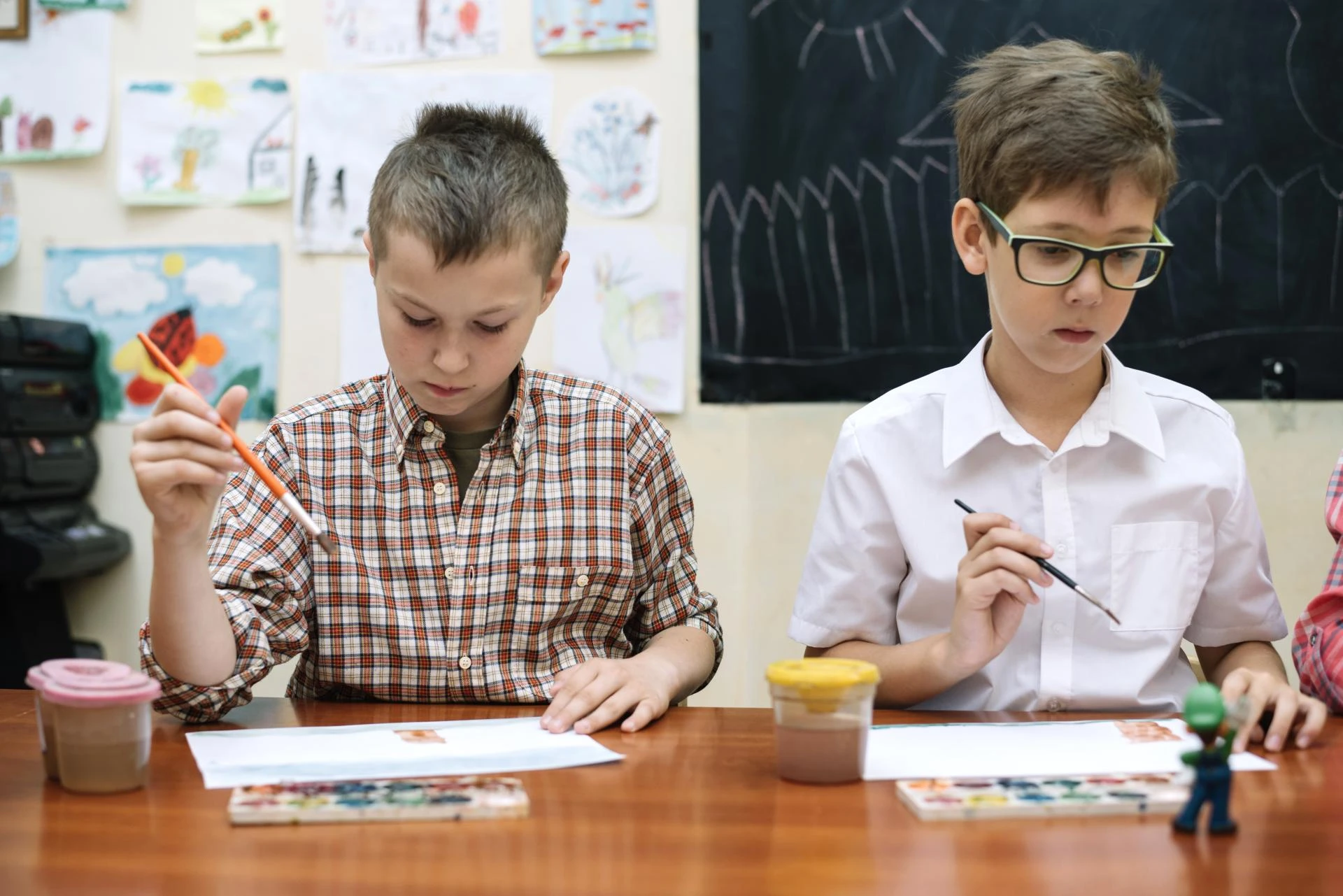

Creating competent problem-solvers requires more than academic instruction—it demands nurturing young minds through authentic experiences. At ITH School, we recognize that lasting problem-solving skills emerge from carefully designed everyday classroom moments. Our educational model focuses on developing resilient students who approach challenges with confidence and creativity, preparing them for both scholastic excellence and real-world complexity.
Recognizing Problem-Solving Growth in Young Minds
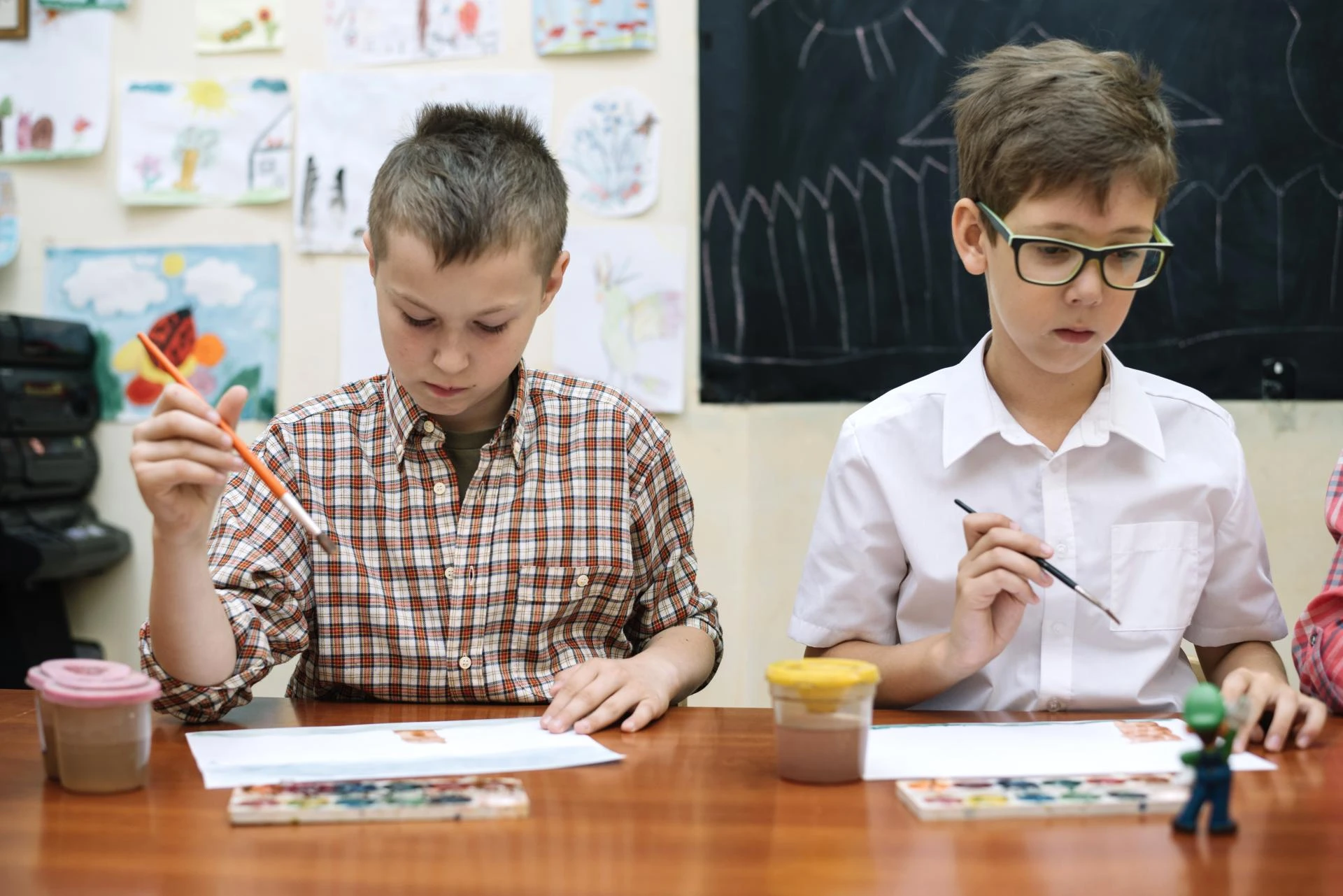
Elementary students demonstrate problem-solving through tangible, everyday interactions. Their cognitive development shines when determining equitable resource allocation, navigating peer conflicts, or inventing creative responses to classroom situations, actively strengthening critical thinking in primary school. At International Technology House School, we identify this development when children:
- Choose appropriate materials for hands-on endeavors
- Collaborate while constructing during interactive play
- Recognize numerical sequences in learning activities
- Prepare thoughts before class presentations
Though appearing straightforward, these moments create robust foundations for advanced reasoning.
Learning Environments That Promote Cognitive Development
Thoughtfully designed classroom experiences continuously offer opportunities for building decision-making skills. Our teaching professionals create settings where learners encounter age-appropriate challenges, stimulating intellectual growth.
Team-Oriented Projects
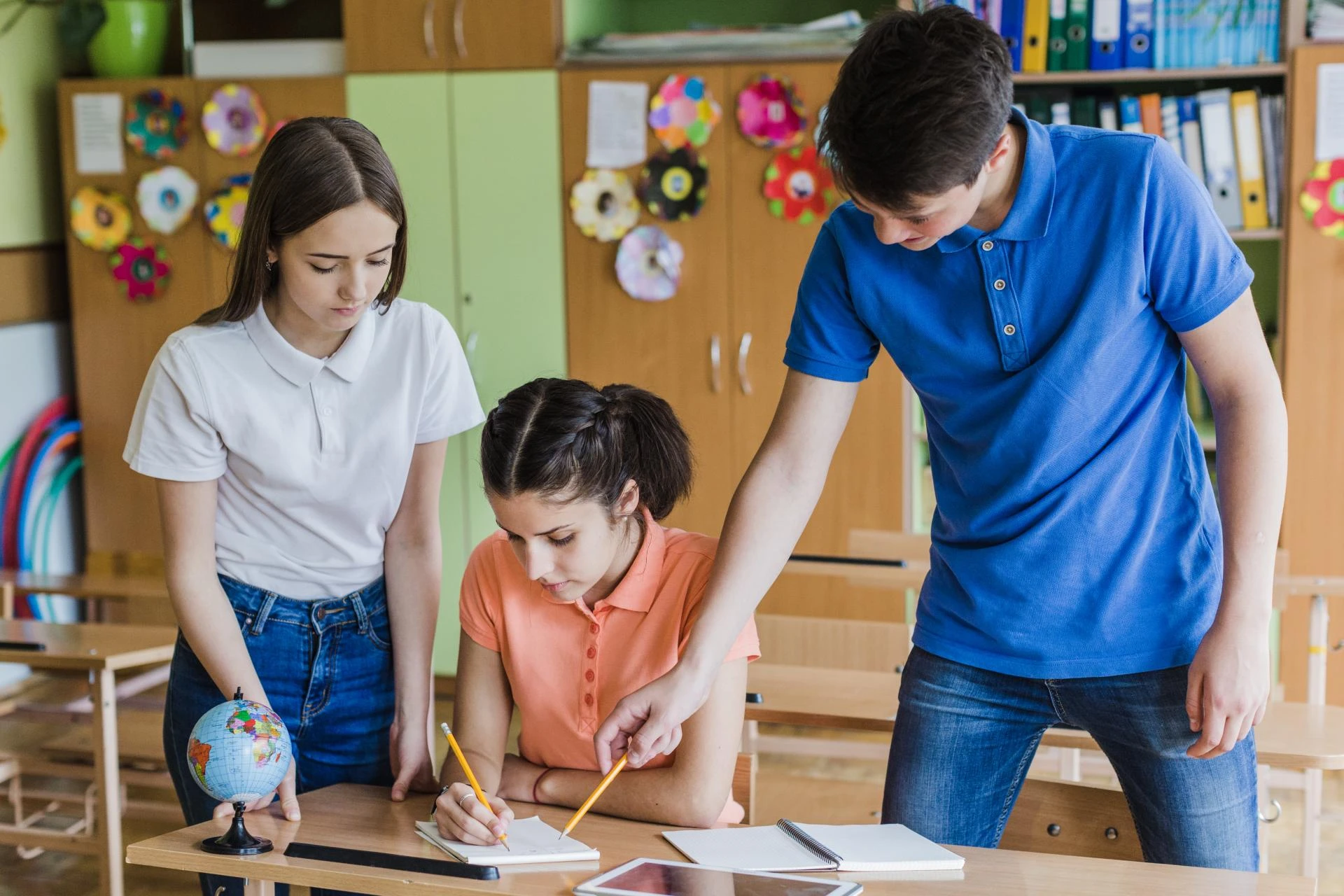
Collaborative work naturally generates problem-solving requirements. Students must express perspectives, allocate duties, and create unified solutions. This teamwork model prepares children for professional realities while developing essential social and analytical competencies.
Experiential Learning Activities
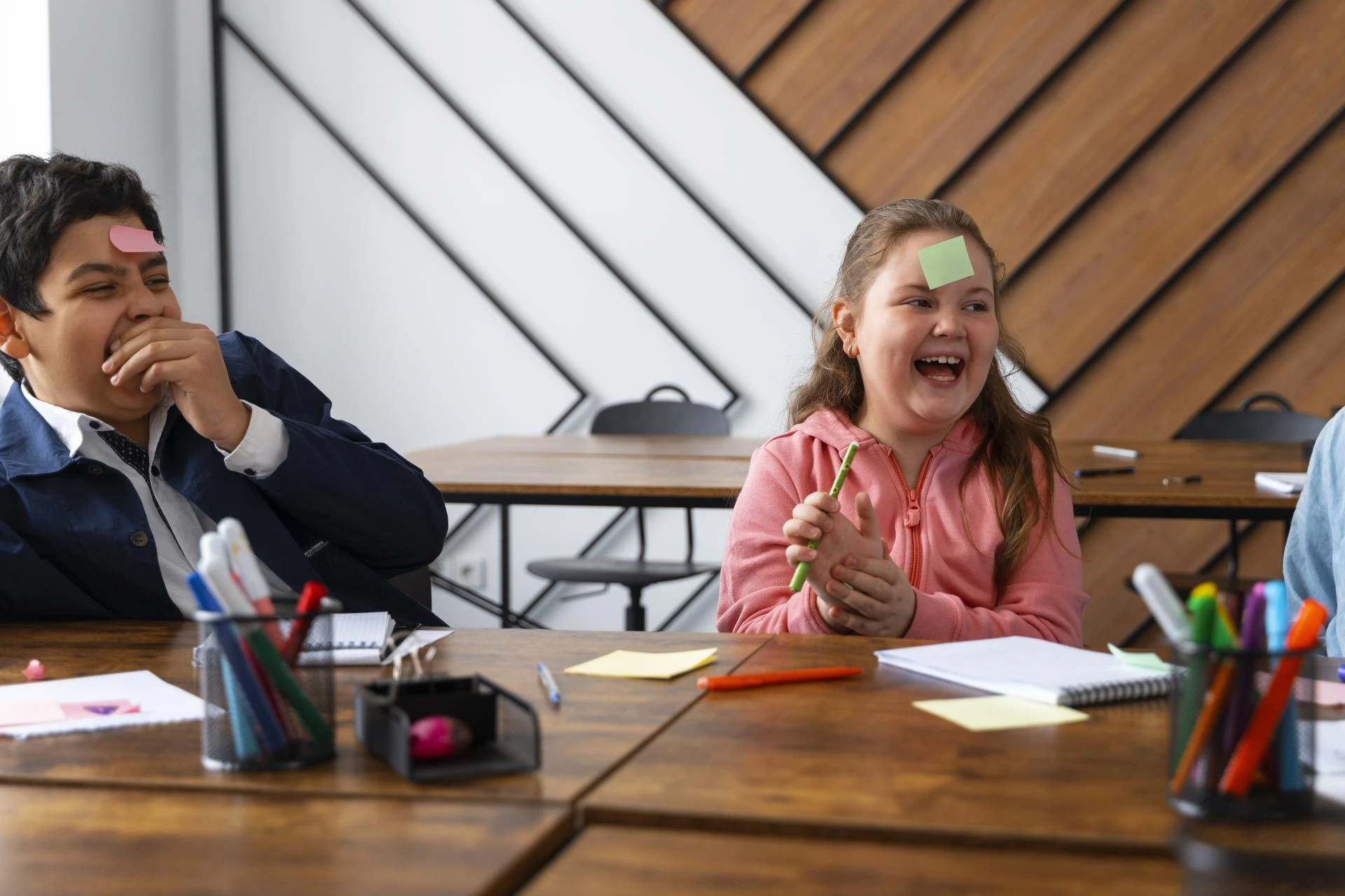
Through story-based learning and interactive projects, children cultivate innovative approaches. Laboratory work, engineering tasks, and narrative exercises encourage discovery and hypothesis formation.
Real-World Application
Educators embed practical situations within instruction:
- Organizing class events and activities
- Addressing disagreements during free periods
- Managing collective classroom obligations
- Selecting between educational alternatives
These concrete contexts demonstrate how schools teach problem-solving to young children through purposeful, engaging methods.
Striking Balance Between Mentorship and Autonomy
Finding an ideal equilibrium between instructor involvement and learner independence remains fundamental when cultivating problem-solving skills for kids. At International Technology House School, our trained educators recognize optimal moments for guidance versus self-directed exploration.
Instructional Facilitation Role
Teachers function as cognitive guides. They:
- Present questions prompting deeper analysis
- Offer framework support during challenging moments
- Demonstrate effective reasoning techniques
- Establish environments welcoming mistakes as learning
Supporting Independent Exploration
We champion beneficial struggle as crucial for development. Working through difficulties autonomously builds:
- Faith in personal competencies
- Resilience encountering setbacks
- Creative problem-solving methods
- Self-motivation and ownership
This framework ensures thorough comprehension of solution processes rather than superficial memorization.
Lasting Educational Returns
Investing in cognitive development during formative years yields substantial ongoing benefits. Children building robust critical thinking in primary school carry these abilities through subsequent education and career paths.
Academic Achievement Excellence
Students with developed problem-solving capabilities:
- Excel in scientific and mathematical disciplines
- Show enhanced reading comprehension
- Demonstrate refined analytical skills
- Flourish in artistic endeavors
Core Life Competencies
Beyond grades, these individuals emerge as:
- Clear, confident communicators
- Resilient through change
- Strong collaborative partners
- Decisive leaders
At ITH School, we continuously observe students maturing into thoughtful, capable individuals who pursue knowledge with passion and persistence.
Creating Tomorrow's Innovators Through Today's Experiences
Nurturing decision-making for kids starts with intentional daily classroom interactions. By establishing environments that challenge, support, and motivate, we provide children with enduring thinking abilities. Through strategic educational practices and meaningful activities, we prepare students for comprehensive success, transcending standardized assessments.
Interested in a school emphasizing holistic development and critical thinking? Follow ITH School on Facebook, Instagram, LinkedIn, and X for educational insights. Discover our programs via our Contact Us page or reach us through WhatsApp. Visit us at 01 Block A, Chaudhry Road, KCHS Phase 1, Defence Road, to experience our supportive educational community.



























Sign in to leave a comment.