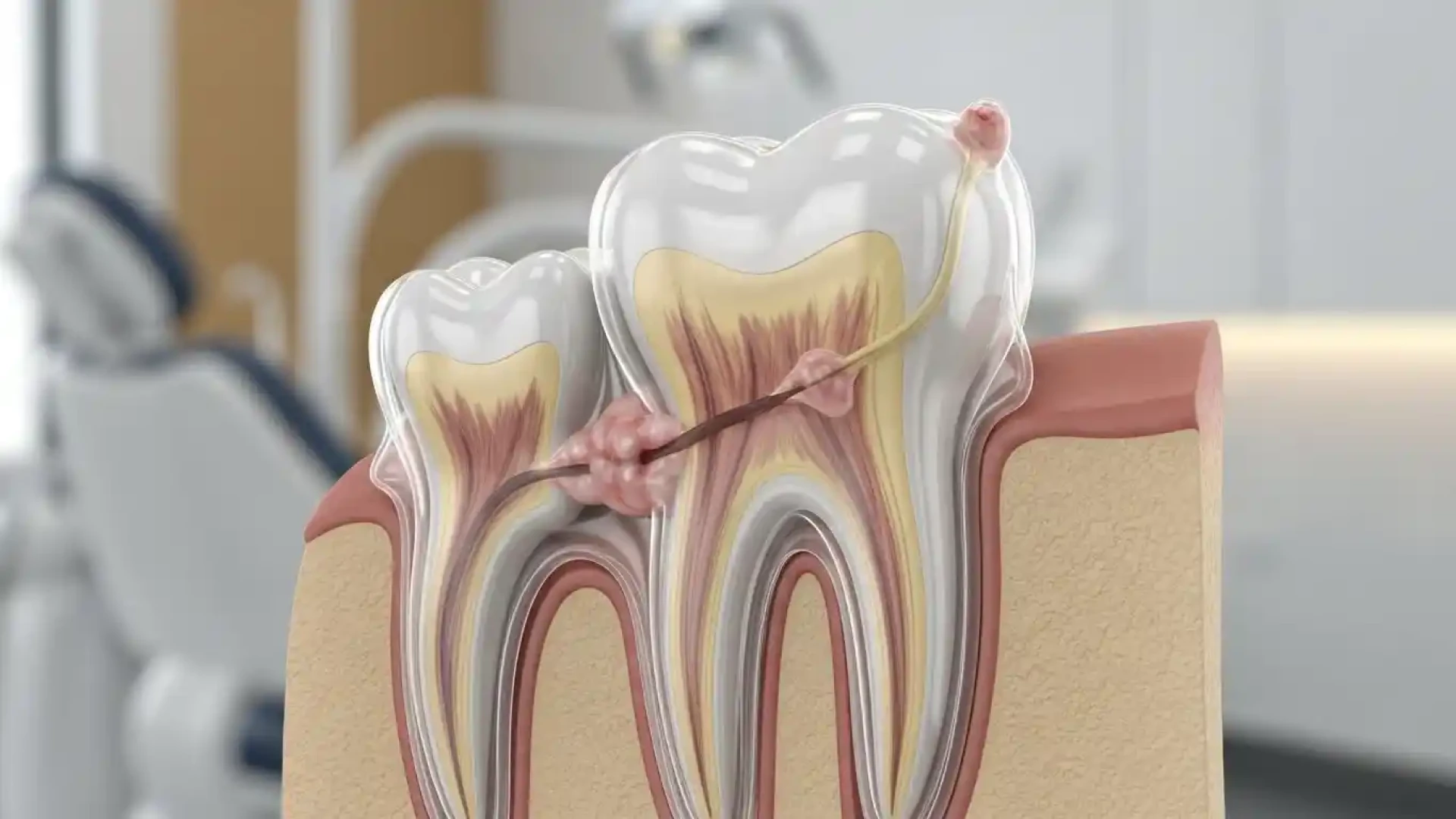

India has one of the highest burdens of diabetes in the world, and the connection between diabetes and oral health is far stronger than most patients realize. If you are a diabetic who has been advised to get a root canal, you may have concerns about whether the procedure is safe, whether healing will be affected, and what precautions need to be taken before you sit in the dental chair.
These are not just reasonable questions. They are the right questions, and any dentist advising root canal treatment in Madhapur to a diabetic patient should be addressing them proactively. This guide covers everything a diabetic patient needs to understand before, during, and after root canal treatment, so you can proceed safely and confidently.
The Diabetes and Oral Health Connection
Diabetes affects nearly every system in the body, and the mouth is no exception. The relationship between diabetes and oral health is bidirectional: poorly controlled blood sugar worsens oral health problems, and untreated oral infections, including those requiring root canal treatment, make blood sugar significantly harder to control.
Several mechanisms explain why diabetic patients are at higher risk for the dental problems that lead to root canal treatment:
- Reduced immune response: High blood glucose impairs the function of white blood cells that fight bacterial infection, making it easier for oral bacteria to penetrate deeply into the tooth pulp and establish severe infections
- Altered saliva composition: Diabetics often have reduced saliva flow and higher glucose concentrations in their saliva, creating a more acidic oral environment that accelerates tooth decay
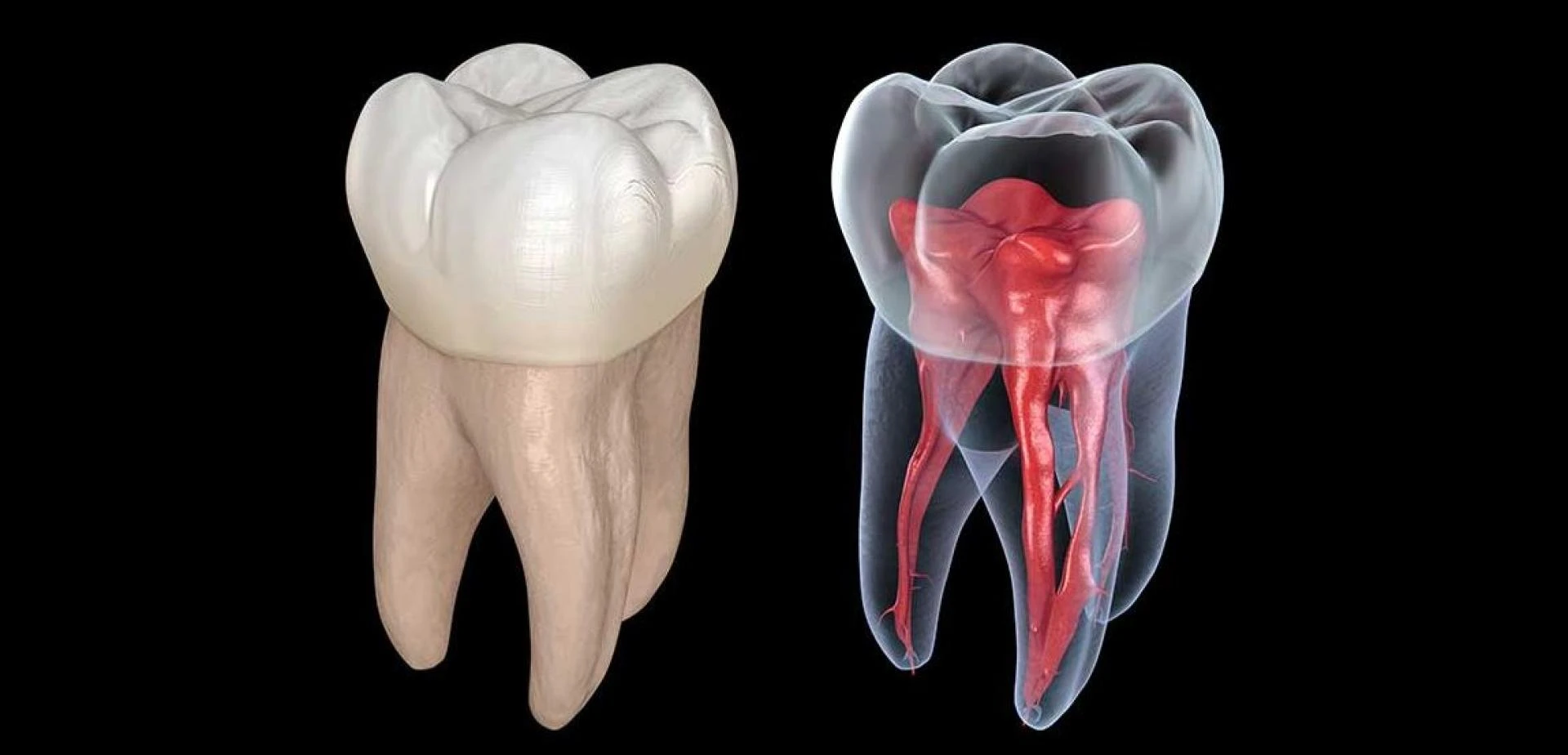
- Impaired microcirculation: Diabetes damages small blood vessels throughout the body including those supplying the dental pulp, reducing the tooth's ability to respond to and resist infection
- Slower healing: The same vascular and immune impairments that cause systemic complications in diabetes also slow post-operative healing after any dental procedure including root canal treatment
- Higher rates of periodontal disease: Diabetics are significantly more susceptible to gum disease, which can independently cause tooth infections requiring root canal treatment through periodontal pathways
Understanding these mechanisms helps explain why the preparation and management of a root canal in a diabetic patient requires more careful coordination than in a non-diabetic patient.
Can Diabetics Safely Have Root Canal Treatment?
Yes, absolutely. Diabetes is not a contraindication to root canal treatment. In fact, for a diabetic patient with a tooth infection, proceeding with root canal treatment without pain under appropriate precautions is almost always far safer than leaving the infection untreated.
An untreated dental abscess in a diabetic patient creates a chronic source of bacterial infection and inflammation that drives sustained elevation of blood glucose through the body's stress response. The systemic inflammatory burden of an untreated tooth infection makes diabetic control genuinely harder for months or years. Removing the infection source through root canal treatment actually helps blood sugar stability, not harms it.
The key phrase is: under appropriate precautions. A well-controlled diabetic patient who attends a painless root canal treatment in madhapur clinic prepared to manage the procedure properly has outcomes that are comparable to non-diabetic patients. The challenge arises primarily with poorly controlled diabetes, where healing is compromised and infection risk is elevated.
The goal is not to avoid treatment. The goal is to optimize the patient's diabetic control before treatment to give the procedure the best possible environment in which to succeed. A tooth infection left untreated in a diabetic patient is never the safer option.
Key Considerations Before Root Canal Treatment for Diabetics
01 Blood Sugar Control is the Most Critical Factor
The single most important pre-procedural consideration for a diabetic patient planning root canal treatment for adults is the state of glycaemic control at the time of treatment. This is typically assessed using the HbA1c (glycated haemoglobin) blood test, which reflects average blood glucose control over the preceding 2 to 3 months.
Most dental guidelines suggest that elective dental procedures including root canal treatment are safest when HbA1c is below 8 percent, ideally below 7 percent. Patients with HbA1c above 9 to 10 percent are considered poorly controlled and carry significantly elevated risks of:
- Prolonged post-operative healing
- Higher risk of post-treatment infection
- Reduced effectiveness of local anesthesia in infected tissue
- Greater likelihood of requiring repeat treatment or retreatment
- Increased chance of treatment failure compared to well-controlled patients
If your HbA1c is high, the right approach is to work with your physician to improve blood sugar control before scheduling elective root canal treatment where possible. If the tooth infection is severe and causing acute pain or spreading infection, treatment cannot wait and will proceed with appropriate medical precautions regardless of HbA1c.
Before your appointment: Share your most recent HbA1c result with your dentist at the root canal treatment in Madhapur clinic. If you do not have a recent result, get one from your physician first. This single piece of information shapes how your dentist plans and manages your treatment.
02 Communicate All Medications to Your Dentist
Diabetic patients are often on multiple medications simultaneously, and several of these interact with dental treatment in ways that require specific management:
- Insulin: The type, dose, and timing of insulin must be coordinated with the dental appointment. A patient who takes a full morning insulin dose and then cannot eat because of dental anesthesia is at risk of hypoglycaemia during the procedure
- Metformin: Generally safe to continue during routine dental procedures, but your physician should be consulted if a general anesthetic is planned for any reason
- Anticoagulants (blood thinners): Some diabetics are prescribed aspirin or other anticoagulants to reduce cardiovascular risk. These affect bleeding management during and after the procedure
- ACE inhibitors or ARBs: Commonly prescribed for diabetic nephropathy, these can interact with certain medications including vasoconstrictors in local anesthetics in some circumstances
- Antibiotics currently prescribed: If you are already on antibiotics for the tooth infection, inform your dentist of the drug, dose, and duration
Bring a complete, current list of all medications (generic names, doses, and frequency) to your affordable root canal treatment in madhapur consultation. Do not rely on memory for this.
03 Appointment Timing Matters
For diabetic patients, the timing of a dental appointment within the day has real significance. The ideal appointment window for most diabetics is mid-morning, typically between 9 a.m. and 11 a.m. Here is why:
- Blood sugar levels are generally more stable mid-morning after breakfast and the morning medication dose
- Insulin activity is typically not at its peak, reducing hypoglycaemia risk
- The patient is fed and medicated normally, which is safer than early-morning fasting appointments
- If any complication or extended appointment time occurs, there is plenty of the day remaining to manage blood sugar
Avoid the last appointment of the day if possible, and never schedule a dental appointment during a period when you know your blood sugar tends to run particularly high or low based on your own daily pattern.
04 Do Not Skip Meals or Medications Before the Appointment
A common mistake made by diabetic dental patients is skipping meals or medications before a dental appointment, often out of a general assumption that they need to fast. For root canal treatment performed under local anesthesia only, fasting is not required and is actively inadvisable for diabetic patients.
Eat your normal meal before the appointment and take your medications as usual unless your physician or dentist has specifically instructed otherwise. Arriving with stable blood sugar is far safer than arriving in a fasted state that risks hypoglycaemia during or after treatment.
05 Bring Your Glucose Monitoring Equipment
Bring your glucometer and any fast-acting glucose source (glucose tablets, fruit juice, or a small snack) to your appointment at the dental clinic in madhapur. Ask the clinical team to check your blood sugar before the procedure begins. A reading between 100 and 180 mg/dL is generally acceptable for proceeding with routine dental treatment.
If your reading is below 70 mg/dL (hypoglycaemia), the procedure must be postponed until your blood sugar is corrected and stable. If it is above 250 mg/dL, your dentist may defer elective treatment and advise you to contact your physician. For urgent treatment when blood sugar is elevated but the infection cannot wait, additional precautions including prophylactic antibiotics and closer post-operative monitoring are implemented.
06 Antibiotic Coverage May Be Recommended
For diabetic patients with poor blood sugar control, active spreading infection, or evidence of compromised immune function, a course of prophylactic antibiotics before or around the time of root canal treatment is often prescribed. This reduces the bacterial load before the procedure begins and protects against post-operative infection spread during the healing period when diabetic tissue defense is compromised.
The decision to prescribe antibiotics and the specific choice of antibiotic should always be made by the treating dentist in consultation with the patient's physician where appropriate. Never self-prescribe antibiotics before dental treatment.
07 Local Anesthesia Considerations in Diabetic Patients
Local anesthetics used for root canal treatment typically contain a vasoconstrictor, most commonly adrenaline (epinephrine), which prolongs the duration of the numbing effect by constricting local blood vessels. In diabetic patients, there are a few considerations around this:
- Adrenaline can cause a transient rise in blood glucose and heart rate. In well-controlled diabetics, this is rarely clinically significant at the doses used in dental anesthesia
- For patients with severe cardiovascular complications of diabetes or very poorly controlled blood sugar, adrenaline-free formulations of local anesthetic may be preferred. Your dentist will make this determination based on your full medical profile
- Local anesthesia is less effective in the presence of active infection due to the acidic pH of infected tissue, which interferes with anesthetic action. This is not specific to diabetics but tends to be more pronounced when infections are larger, as they often are in poorly controlled diabetics who have had the infection longer
How Diabetes Affects Root Canal Healing
Even when root canal treatment is performed perfectly, healing in a diabetic patient takes longer and requires more careful monitoring than in a non-diabetic. Understanding what to expect helps manage anxiety and ensures that any genuine complications are caught early.
Periapical Tissue Healing
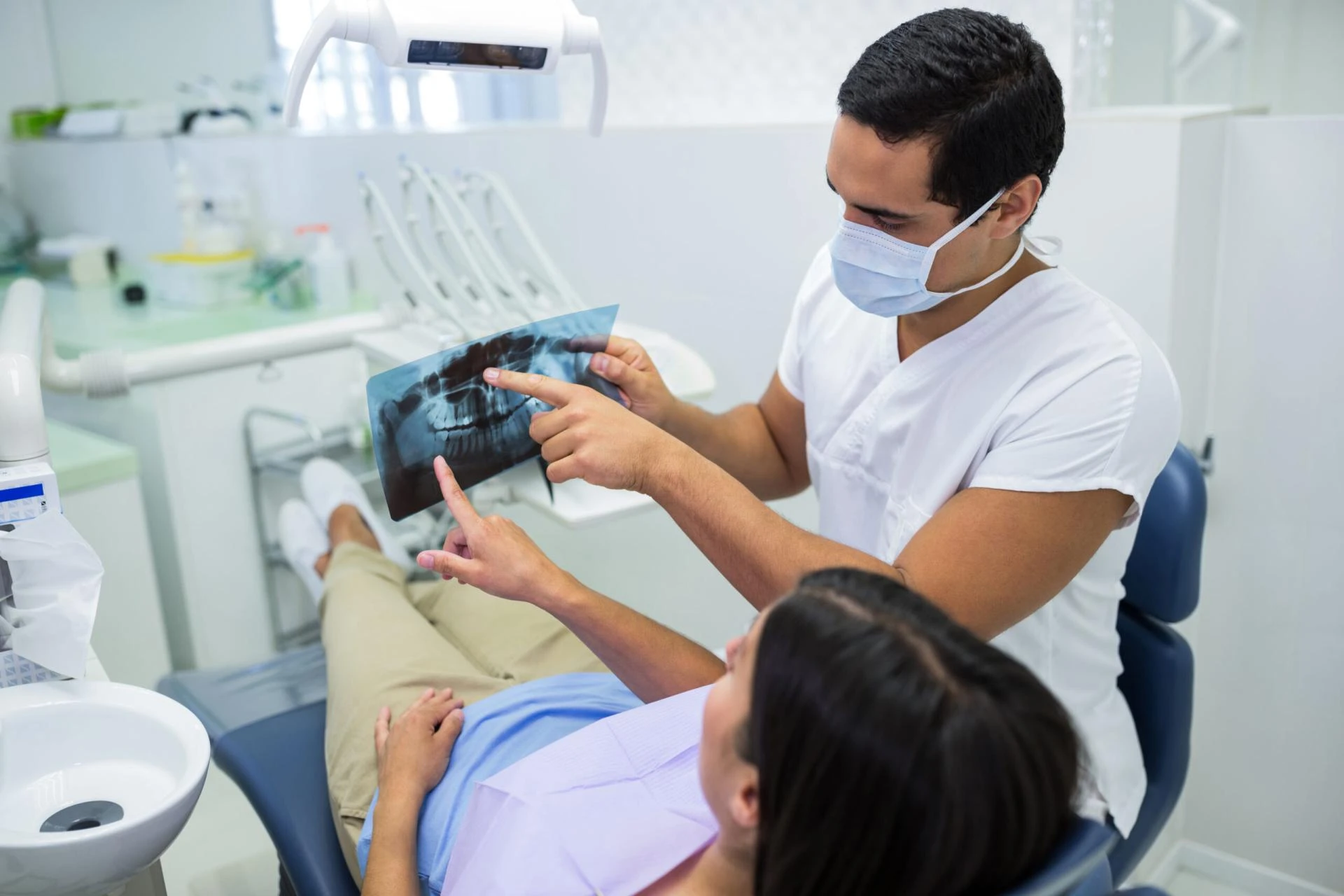
After a successful root canal, the bone and tissue around the root tip gradually heals over 6 to 12 months in a non-diabetic patient. In a diabetic patient, particularly one with elevated HbA1c, this healing timeline is extended. Follow-up X-rays are more important in diabetic patients to confirm that bone healing is progressing as expected rather than stagnating or developing new pathology.
Post-Operative Infection Risk
The impaired immune response in poorly controlled diabetics means that even after a technically successful root canal, there is a higher risk of residual bacteria causing persistent or recurrent infection. This is one reason why achieving good blood sugar control before treatment and maintaining it throughout recovery is so important for long-term success.
When Retreatment May Be Needed
If a root canal-treated tooth in a diabetic patient develops symptoms again or fails to show radiographic healing at the expected timepoints, root canal retreatment may be recommended. This involves re-entering the tooth, removing the previous root filling material, re-cleaning the canals, and replacing the root filling. Retreatment at a root canal treatment near madhapur clinic with an experienced team is highly successful in appropriately selected cases and should be considered before extraction whenever the tooth is restorable.
What Diabetic Patients Should Do After Root Canal Treatment
Post-operative care for diabetic patients requires a few additional steps beyond the standard root canal aftercare instructions:
- Monitor blood sugar more frequently for the first 48 to 72 hours after treatment. The physiological stress of the procedure and any residual pain can transiently elevate blood glucose
- Complete the full antibiotic course exactly as prescribed without missing doses, even if you feel better before the course ends
- Maintain a soft diet on the treated side until the permanent crown is placed, avoiding anything that could dislodge the temporary filling
- Watch for warning signs: Increasing rather than decreasing pain after day 3 to 4, visible swelling of the face or jaw, fever, or a foul taste should prompt immediate contact with your dentist. In diabetics, infections can escalate faster than in non-diabetic patients
- Attend all follow-up appointments including the radiographic review at 6 months to confirm healing
- Get the crown placed promptly: A temporary filling leaves the tooth vulnerable to fracture and recontamination. For diabetic patients whose healing is already challenged, delaying the permanent crown adds an unnecessary risk to a treated tooth
Seek immediate care if you develop: Significant facial swelling, difficulty opening your mouth or swallowing, fever above 38 degrees Celsius, or rapidly worsening pain after root canal treatment. Diabetic patients are at higher risk for dental infections spreading to adjacent spaces in the neck and jaw, which can become medical emergencies. Do not wait to see if symptoms resolve on their own.
Addressing the Fear: Is Root Canal Treatment Painful for Diabetics?
Fear of pain is one of the most common reasons diabetic patients delay dental treatment, and the consequences of that delay are almost always worse than the procedure itself. Modern same-day root canal treatment performed with proper local anesthesia, modern rotary instrumentation, and a calm, experienced clinical team is genuinely comfortable for the vast majority of patients, including those with diabetes.
The specific concern for diabetic patients is that local anesthesia may be less effective in the presence of active infection. This is real but manageable. An experienced dentist in madhapur will use supplemental anesthetic techniques including intraligamentary injections or intraosseous anesthesia to achieve profound numbness even in infected teeth where standard block anesthesia is partially overcome by the acidic environment.
The procedural discomfort of a well-anesthetized root canal is far less than the relentless throbbing pain of an active tooth abscess. For diabetic patients who have been living with untreated tooth pain, treatment almost always brings immediate and significant relief.
Pre-Treatment Checklist for Diabetic Root Canal Patients
| Checklist Item | Why It Matters | Action Required |
|---|---|---|
| Recent HbA1c result | Determines healing risk and treatment planning | Share with dentist at consultation |
| Complete medication list | Identifies interactions and dose management needs | Bring written list to appointment |
| Pre-appointment blood sugar check | Confirms it is safe to proceed | Check and report to dental team on arrival |
| Normal pre-appointment meal | Prevents hypoglycaemia during procedure | Eat and medicate as normal |
| Glucose source brought to clinic | Immediate treatment of any hypoglycaemic episode | Carry glucose tablets or juice |
| Mid-morning appointment booked | Most stable blood sugar window for most diabetics | Request 9 a.m. to 11 a.m. slot |
| Physician consulted if HbA1c is high | Optimizes control before elective treatment | Coordinate care if HbA1c is above 8 percent |
| Crown appointment booked in advance | Prevents delay between root canal and permanent restoration | Schedule alongside root canal booking |
FAQs: Root Canal Treatment for Diabetics in Madhapur
Q1: My doctor says my diabetes is not well controlled. Should I postpone root canal treatment?
It depends on the urgency. If you have a severe, spreading tooth infection causing significant pain or swelling, treatment should not be postponed regardless of blood sugar control. The infection itself is driving blood sugar higher and must be addressed. If the root canal is semi-elective (the tooth has been diagnosed but is not currently causing acute symptoms), it may be worth spending 4 to 6 weeks working with your physician to improve glycaemic control before proceeding. Discuss the specific situation openly with both your dentist at the root canal treatment in Madhapur clinic and your physician and arrive at a jointly considered decision.
Q2: Will my root canal take more sessions because I have diabetes?
Not necessarily more sessions, but possibly longer intervals between sessions to allow adequate healing. Many root canal cases in well-controlled diabetic patients are completed in a single session using same-day root canal treatment protocols. Complex cases (severely curved canals, multiple canals, previously failed treatment) may require two sessions regardless of diabetic status. What changes in diabetic patients is the follow-up monitoring schedule, which is more frequent and includes longer-term radiographic review to confirm periapical healing is progressing at an acceptable rate.
Q3: Is there a risk that root canal treatment will affect my insulin requirements?
Yes, temporarily. Both the physiological stress of the procedure and the post-operative pain in the first few days can transiently elevate blood glucose and may temporarily increase insulin requirements. More importantly, once the tooth infection is fully resolved (over the weeks following treatment), many patients find their blood sugar control actually improves. A chronic dental infection is a sustained source of inflammation and stress hormones that antagonize insulin action. Resolving it removes that burden. Monitor your blood sugar more closely in the week after treatment and contact your physician if readings are significantly different from your usual pattern.
Q4: I have been avoiding dental treatment for years because of my diabetes. Where do I start?
Start with an honest, comprehensive dental assessment at a affordable root canal treatment in madhapur clinic that is experienced with medically complex patients. Bring your complete medical history, current medication list, and most recent HbA1c result. A good dental team will assess your oral health status, identify which problems need the most urgent attention, and develop a prioritized treatment plan that accounts for your diabetic status. The worst thing to do is continue avoiding treatment. Every year of dental neglect in a diabetic patient increases the number and severity of problems that will eventually need addressing.
Q5: Can I request sedation for my root canal because I am anxious about the procedure?
Conscious sedation (oral or inhalation sedation) is generally available on request for anxious dental patients including diabetics. However, sedation in diabetic patients requires careful pre-operative fasting guidance and blood sugar management that differs from routine sedation protocols. Some sedative medications affect blood sugar directly or mask the symptoms of hypoglycaemia. Discuss your anxiety and your interest in sedation explicitly with your painless root canal treatment in madhapur provider well in advance of the appointment, not on the day. This gives the team time to plan appropriately and coordinate with your physician if needed.
Conclusion: Diabetes Should Not Mean Delaying Essential Dental Care
A diagnosis of diabetes adds important considerations to root canal treatment, but it does not make the treatment unsafe, unduly difficult, or inadvisable. The overwhelming evidence is that treating dental infections in diabetic patients, carefully and with appropriate medical coordination, produces good outcomes and directly supports better systemic health.
The patients who fare worst are not those who proceed with treatment despite diabetes. They are those who avoid the dental chair for years, allowing infections to grow, blood sugar to deteriorate, and simple restorable problems to become complex extractions. The sooner a diabetic patient with a tooth infection seeks care at a qualified root canal treatment in Madhapur clinic, the better the outcome for both the tooth and the whole body.
Talk to your dentist honestly about your diabetes, share your medical history completely, and work together with your physician and dental team as the collaborative unit that gives you the safest possible experience. Book your consultation at a trusted root canal treatment for adults clinic today and take that first step toward a healthy mouth and better-controlled diabetes.



























Sign in to leave a comment.