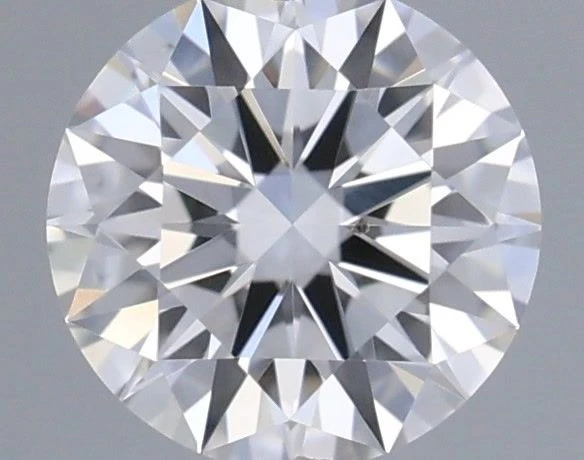
Diamonds have long symbolized love, luxury, and timeless elegance. However, behind their dazzling allure lies a complex pricing structure influenced by several critical factors. Whether you’re purchasing an engagement ring, investing in fine jewelry, or simply curious about how diamond price are determined, understanding what drives their cost can help you make informed and confident decisions.
What Determines Diamond Prices?
Diamond pricing isn’t arbitrary. Instead, it’s based on a universally accepted grading system governed by the 4Cs: Carat, Cut, Color, and Clarity. Each of these elements contributes significantly to a diamond’s value.
Carat Weight: Size Matters, But Not Alone
Carat refers to the weight of a diamond, not its size. Larger diamonds are rarer and therefore more expensive. For example, a 1 carat diamond is considerably more valuable than two 0.50-carat diamonds of the same quality. Prices per carat increase exponentially with size due to rarity.
Cut: The Sparkle Factor
The cut of a diamond determines how well it reflects light. A perfectly cut diamond, even if smaller, can appear more brilliant than a poorly cut stone of higher carat weight. Grading ranges from Excellent to Poor. Superior cut quality often justifies a higher price because of the beauty it adds.
Color: From Colorless to Warm Tones
Diamonds are graded from D (colorless) to Z (light yellow or brown). Colorless diamonds are highly sought after and command premium prices. However, some buyers may prefer near-colorless grades like G or H, which offer good value while still appearing visually white.
Clarity: Internal Perfection
Clarity measures internal inclusions and external blemishes. Grading ranges from FL (Flawless) to I (Included). Flawless diamonds are incredibly rare and expensive. However, many inclusions are invisible to the naked eye, making grades like VS1 or SI1 excellent choices for better value.
Natural vs. Lab Grown Diamonds
A rising trend in the jewelry industry is the popularity of lab grown diamonds. These stones are chemically and visually identical to natural diamonds but are significantly cheaper often 30% to 60% less. While natural diamonds retain stronger resale value, lab grown options appeal to budget-friendly and environmentally conscious buyers.
How Market Trends Affect Diamond Prices
Diamond prices are also influenced by global market factors:
Supply and Demand
Major diamond mining operations, such as De Beers and Alrosa, regulate supply to maintain stable pricing. When demand rises especially during peak seasons like engagement months prices may fluctuate.
Global Economy and Currency Exchange
Economic stability can affect luxury spending. Strong economies tend to increase demand for premium diamonds, raising prices. Currency exchange rates may also influence final pricing in international markets.
Certification and Branding
Diamonds certified by reputable labs like GIA, IGI, or AGS tend to cost more due to guaranteed authenticity and precise grading. Designer brands can also increase overall cost through branding and craftsmanship.
Tips to Get the Best Value for Your Diamond Purchase
Consider Slight Compromises on the 4Cs
Opting for a diamond with slightly lower clarity (like VS2) or color (like H or I) can offer significant savings without sacrificing visible beauty.
Choose the Right Shape
Round diamonds are the most popular and often the most expensive per carat. Fancy shapes like oval, emerald, or pear may offer better value with unique styles.
Buy Certified Diamonds Only
Ensure your diamond includes a trusted certification to avoid overpaying or purchasing a misrepresented stone.
Emerging Price Trends in 2024 and Beyond
With advancements in technology and increased awareness of ethical choices, lab-grown diamonds are reshaping market dynamics. Natural diamond prices may remain high due to scarcity, but lab-grown alternatives are driving competitive pricing and broader accessibility.
Conclusion
Diamond pricing is a delicate balance of rarity, craftsmanship, and beauty. Understanding the 4Cs, market conditions, and the difference between natural and lab-grown diamonds empowers buyers to choose wisely. Whether you seek timeless tradition or modern affordability, every diamond holds a story its price reflects not only its physical qualities but also its emotional significance. By educating yourself, you ensure that the brilliance you buy is worth every penny you spend. Visit the official website of skygem.com.au


























Sign in to leave a comment.