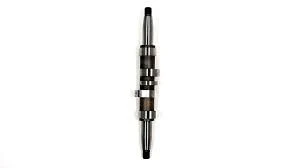

The diesel engine camshaft is a vital component that controls the intake and exhaust valves, ensuring proper airflow and combustion. It directly impacts engine performance, fuel efficiency, and longevity. Without an optimally functioning camshaft, diesel engines experience misfires, reduced power, and increased emissions. Understanding its function, performance, and maintenance is essential for keeping diesel engines running efficiently.Goldfarb Associates specializes in high-quality diesel engine components, including durable and performance-enhancing camshafts. Whether you're maintaining a commercial truck, industrial machinery, or an agricultural vehicle, knowing how to care for your camshaft can save you time and money.
What Is a Diesel Engine Camshaft?
The diesel engine camshaft is a rotating shaft with precisely machined lobes that control the movement of engine valves. As it turns, the camshaft pushes against lifters or rocker arms, causing the intake and exhaust valves to open and close at the correct intervals. Unlike gasoline engines, diesel engines rely on precise valve timing to maintain high compression ratios, making the camshaft a crucial component.
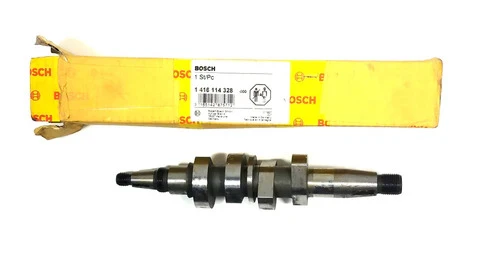
Key Components of a Diesel Engine Camshaft
The camshaft consists of several important parts:
- Lobes – These control the timing and lift of the valves.
- Bearings – Support the camshaft, ensuring smooth operation.
- Timing Gear or Chain – Links the camshaft to the crankshaft for synchronization.
- Camshaft Sensor – Monitors camshaft position and speed for electronic engine control.
Each component plays a crucial role in ensuring the engine operates efficiently and reliably.
How Does a Diesel Engine Camshaft Work?
The camshaft is mechanically linked to the crankshaft through a timing belt, chain, or gears. As the engine runs, the camshaft rotates, causing the lobes to push against valve lifters or rocker arms. This movement opens the intake valves, allowing air to enter the combustion chamber, and the exhaust valves, allowing burned gases to exit.
Precise timing is critical to optimize combustion, maximize power output, and reduce fuel consumption. An incorrectly timed camshaft can lead to poor performance, excessive emissions, and even engine failure.
Types of Diesel Engine Camshafts
Different diesel engines use various camshaft designs to meet specific performance needs.
Single Overhead Camshaft (SOHC)
This design features a single camshaft located above the cylinder head. It operates both intake and exhaust valves and is commonly found in mid-range diesel engines.
Dual Overhead Camshaft (DOHC)
DOHC engines have two camshafts per cylinder head—one for intake valves and another for exhaust valves. This setup allows for improved airflow and higher performance.
Pushrod Camshaft
Located inside the engine block, pushrod camshafts use lifters and pushrods to control valve movement. They are typically found in heavy-duty and older diesel engines known for their durability and torque output.
Materials Used in Diesel Engine Camshafts
The longevity and performance of a diesel engine camshaft depend on the materials used in its construction.
Cast Iron Camshafts
Cast iron camshafts are cost-effective and durable, commonly found in standard diesel engines.
Billet Steel Camshafts
Billet steel camshafts offer superior strength and resistance to wear, making them ideal for high-performance diesel applications.
Hardened Alloy Camshafts
Hardened alloy camshafts feature advanced surface treatments that enhance wear resistance and longevity.
Goldfarb Associates provides high-quality camshafts made from premium materials to ensure durability and efficiency in diesel engines.
Importance of Camshaft Design in Diesel Engines
A well-designed camshaft directly affects:
- Performance Optimization – Proper timing and lift improve power and torque.
- Fuel Efficiency – Optimized valve operation reduces wasted fuel.
- Emission Control – Precise timing minimizes harmful emissions.
Selecting the right camshaft for your engine ensures smooth operation and compliance with performance and environmental standards.
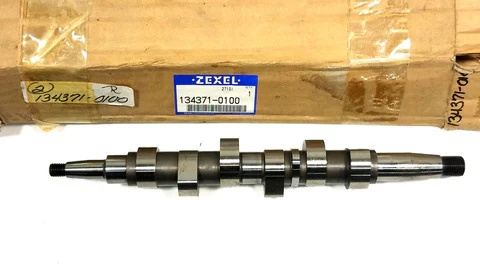
Common Camshaft Profiles and Their Effects
Different camshaft profiles influence engine behavior in unique ways.
Flat-Tappet Camshafts
These camshafts require frequent lubrication to prevent excessive wear but offer a simple and durable design.
Roller Camshafts
Roller camshafts reduce friction and wear, increasing efficiency and longevity.
Variable Valve Timing (VVT) Camshafts
VVT camshafts adjust valve timing dynamically, improving fuel efficiency and power output based on engine load.
Understanding camshaft profiles helps in choosing the right option for a given diesel engine application.
Signs of a Failing Diesel Engine Camshaft
A worn or damaged camshaft can lead to serious engine problems. Common symptoms include:
- Engine misfires due to incorrect valve timing.
- Ticking or knocking noises from worn lobes.
- Reduced power and poor acceleration.
- Increased fuel consumption caused by inefficient combustion.
Goldfarb Associates provides top-quality replacement camshafts to restore engine performance.
Diesel Engine Camshaft Maintenance Tips
Regular maintenance extends the lifespan of a diesel engine camshaft.
- Use high-quality engine oil to prevent excessive wear.
- Perform routine inspections to detect early signs of damage.
- Ensure proper lubrication to minimize friction and overheating.
Goldfarb Associates recommends following a strict maintenance schedule to keep camshafts in peak condition.
How to Inspect a Diesel Engine Camshaft
Routine inspection helps identify wear before it leads to engine failure. Visual examination reveals pitting, scoring, or worn lobes. Measuring lift and timing ensures the camshaft is within manufacturer specifications. Checking for excessive play in bearings and journals helps prevent further damage.
Upgrading Your Diesel Engine Camshaft for Better Performance
Performance camshafts enhance diesel engine efficiency by improving airflow, combustion, and power output. High-performance options include aftermarket camshafts, adjustable timing gears, and upgraded valve springs. Goldfarb Associates offers premium camshafts for those seeking increased power and efficiency.
Camshaft and Emission Control in Diesel Engines
Optimized camshaft timing reduces emissions by improving combustion efficiency. A properly functioning camshaft minimizes unburned fuel, lowering nitrogen oxide (NOx) emissions. Ensuring proper camshaft operation is essential for environmental compliance.
DIY Diesel Engine Camshaft Replacement Guide
Replacing a camshaft requires careful disassembly and reassembly. The process involves removing the timing belt or chain, extracting the old camshaft, installing the new one with proper lubrication, and adjusting timing to manufacturer specifications. A well-installed camshaft ensures smooth engine performance.
Best Practices for Extending Diesel Engine Camshaft Lifespan
Regular oil changes, avoiding excessive idling, and monitoring engine performance help extend the camshaft’s lifespan. Proper lubrication and routine inspections prevent wear and mechanical failures, reducing long-term maintenance costs.
Conclusion
The diesel engine camshaft plays a crucial role in optimizing performance, fuel efficiency, and emissions. Regular maintenance and timely inspections are essential for longevity. Goldfarb Associates offers high-quality camshafts, ensuring reliable and efficient diesel engine performance.
FAQs
How often should a diesel engine camshaft be inspected?
Routine inspections every 30,000 to 50,000 miles help detect early signs of wear.
What causes camshaft wear in diesel engines?
Poor lubrication, excessive load, and improper timing belt tension are major causes of camshaft wear.
Can a worn camshaft affect fuel efficiency?
Yes, inefficient valve timing increases fuel consumption and reduces engine performance.
Is upgrading a camshaft beneficial for diesel engines?
Upgrading can improve power, efficiency, and towing capability.
Where can I find high-quality diesel engine camshafts?
Goldfarb Associates provides premium camshafts designed for durability and optimal performance.


























Sign in to leave a comment.