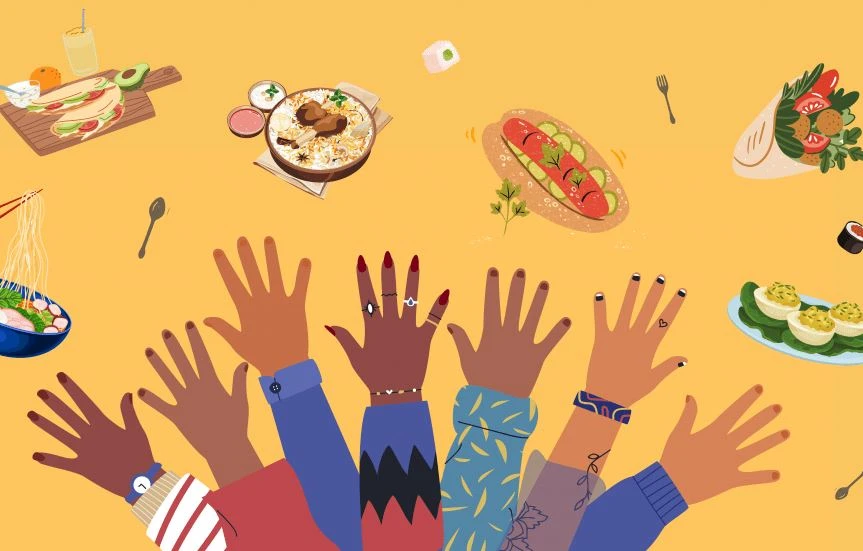

Food unites people and is a universal language that cuts across boundaries. Our cultural identity is deeply rooted in the foods we consume, how we cook them, and the customs surrounding our meals. We'll look at the relationship between diet and other cultures in this blog and how our eating habits affect not just our taste preferences but also our feeling of identity and community.
Cultural Significance of Food
Food is fundamental in everyday life, as well as cultural rites and festivals. The recipes and customs of our forefathers are frequently passed down through the centuries, along with the food we cook and eat. Every country has distinctive culinary traditions that reflect its beliefs and history, whether it is the lavish Thanksgiving feasts in the United States or the multi-course banquets in China.
Flavors of Diversity
Various flavors, ingredients, and culinary methods are available throughout cultures. These varied flavors, which range from the intense spices of Indian food to the umami-rich dishes of Japanese cuisine, are evidence of humankind's depth of culinary inventiveness. Not only are we tasting new flavors when we experiment with diverse cuisines, but we are also broadening our cultural perspectives.
The Role of Food in Identity
Food is more than just nourishment—it's a potent identity symbol. Our meals make us experience a sense of connection and often serve as a link to our heritage. We may show our individuality and preserve our cultural legacy by cooking and sharing recipes with our loved ones.
Cultural Exchange through Food
Culinary traditions are a means of cultural exchange. When we try foods from other cultures, we're not only satisfying our taste buds but also engaging in a form of cultural diplomacy. Food festivals, fusion cuisine, and international restaurants are all platforms for exploring different cultures through their cuisines.
Food as a Symbol of Home
For many, traditional dishes from their homeland are a comforting reminder of their origins. Immigrants and diaspora communities often find solace in cooking and sharing dishes that connect them to their place of origin. It's a way of keeping their cultural identity alive, even in a foreign land.
Preserving Tradition through Food
Traditional recipes are a tangible link to the past. For many cultures, family recipes are treasured heirlooms passed down through generations. Preparing these dishes keeps the memory of our ancestors alive and ensures that their traditions and stories endure.
Conclusion
Our food customs and diets provide more than simply nourishment; they are the threads that bind our cultural identities together. We embark on a wonderful voyage of cultural exchange and self-discovery as we sample various cuisines and enjoy global flavors. Food serves as a bridge to understanding others and a reminder of our origins. Thus, the next time you enjoy a cuisine from a different culture, keep in mind that you are contributing to the complex tapestry of global culture in addition to just savoring a delicious meal.
Ready to embark on a flavorful journey that transcends borders and celebrates diverse cultures through the lens of nutrition? 'Nutrition Made Easy' by Lora Collins Tustison is your passport to understanding how food shapes our identity and connects us with the world. Dive into this enriching exploration of culinary traditions, heritage, and the impact of diet on cultural identity. Don't miss out on this delectable adventure. Grab your copy today from here: https://amz.run/7ASG, and savor the unique nutrition flavors!









Sign in to leave a comment.