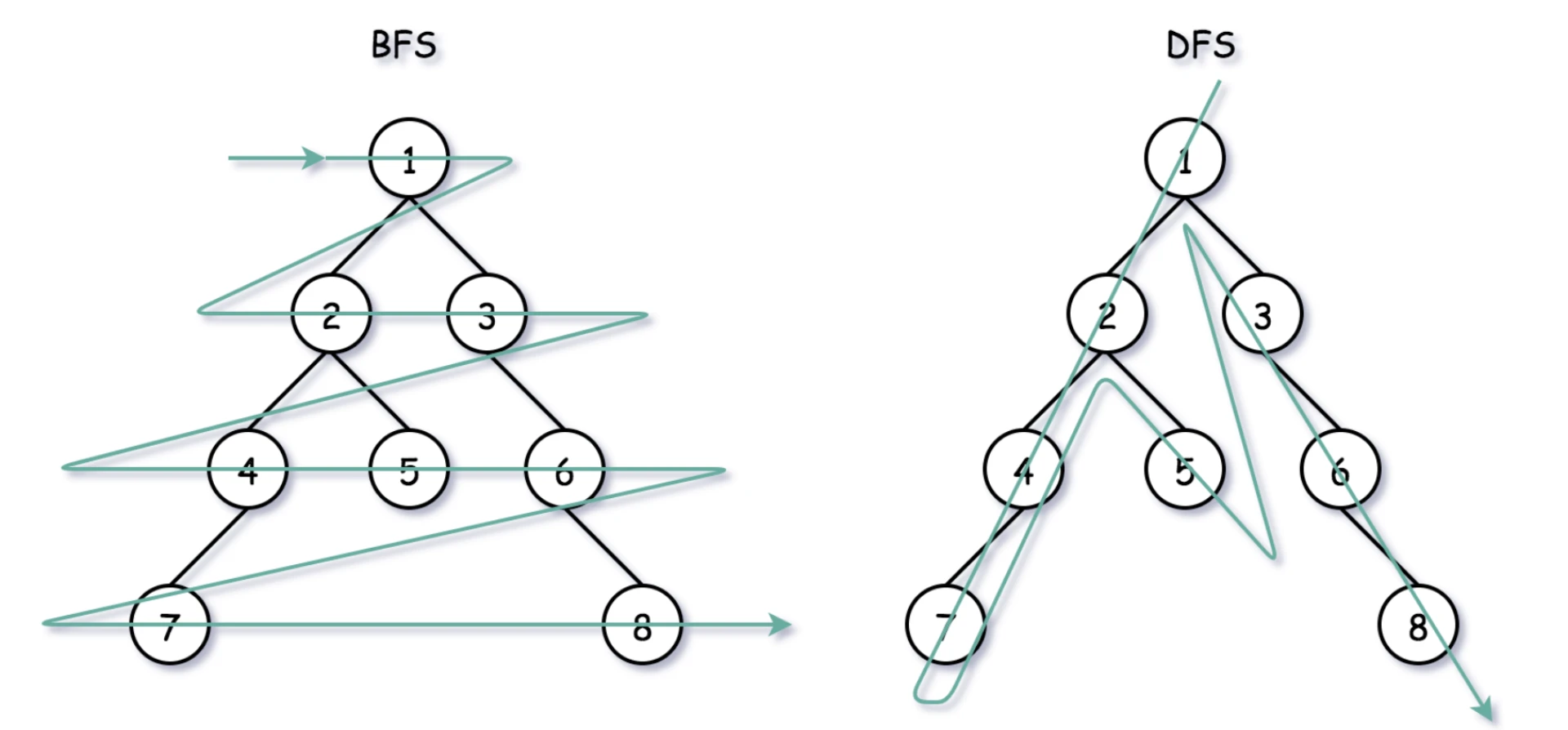

The world of algorithms is vast, and two fundamental techniques, Breadth-First Search (BFS) and Depth-First Search (DFS), play pivotal roles in problem-solving. Let's delve into the intricacies of each and discern the nuances that set them apart.
Introduction
Understanding the Basics of BFS and DFSIn the realm of computer science and graph theory, BFS and DFS are algorithmic approaches essential for traversing and searching graph structures. While both serve similar purposes, their methodologies differ significantly.
What is BFS?
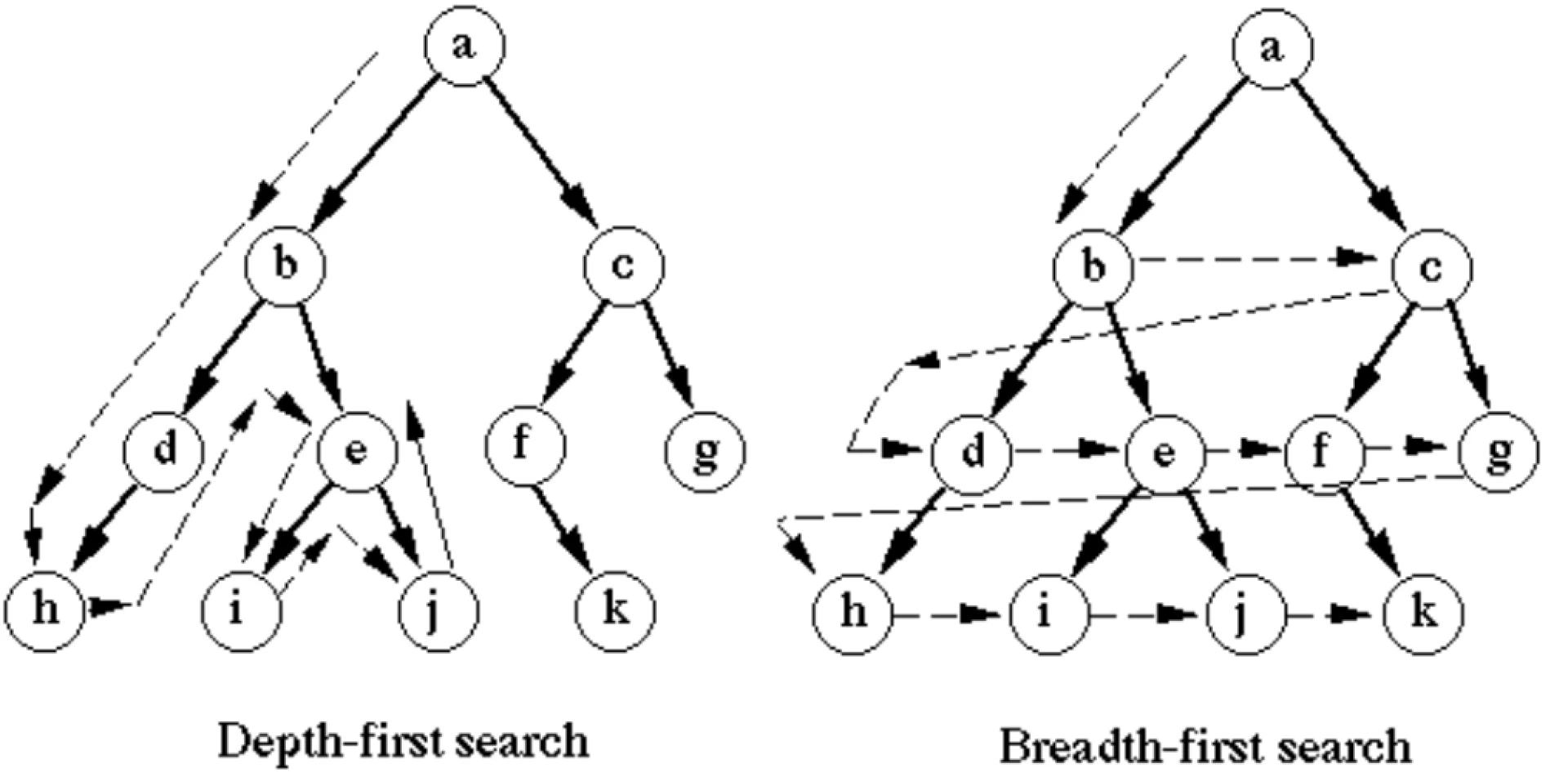
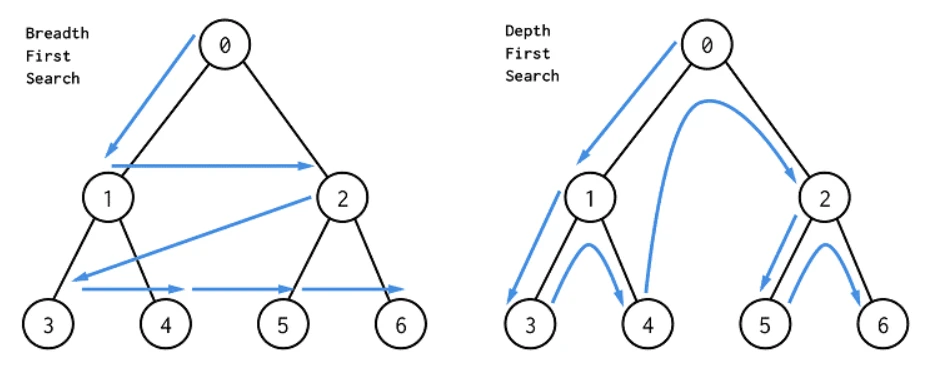
Key Concepts and CharacteristicsBFS, or Breadth-First Search, is a systematic algorithm used to explore and analyze the layers of a graph. It starts at the root node and moves through the graph, exploring neighboring nodes at the current depth before moving on to nodes at the next depth level.
Applications of BFS
Real-World Scenarios Where BFS is AppliedBFS finds applications in various domains, including network routing, social network analysis, and shortest path problems. Its ability to systematically explore all possibilities at a given depth makes it particularly useful in scenarios where exhaustive exploration is necessary.
Advantages of BFS
Why BFS Stands Out in Certain SituationsBFS excels in scenarios where finding the shortest path or the minimum steps to reach a goal is crucial. Its level-by-level exploration ensures that the shortest path is discovered before delving into longer paths.
Limitations of BFS
Recognizing the Constraints of Breadth-First SearchDespite its strengths, BFS has limitations. Memory consumption can be significant, especially in large graphs. Additionally, BFS might not be the best choice for scenarios where depth-wise exploration is more efficient.
What is DFS?
Core Principles and How it Differ from BFSDFS, or Depth-First Search, takes a different approach. It explores as far as possible along each branch before backtracking. This depth-wise exploration can lead to different applications and use cases compared to BFS.
Use Cases for DFS
Practical Applications of Depth-First SearchDFS is employed in scenarios such as maze-solving, topological sorting, and puzzle-solving. Its ability to delve deep into a particular branch makes it suitable for scenarios where exhaustive exploration of possibilities is not necessary.
Strengths of DFS
Exploring the Advantages of Depth-First SearchDFS's ability to handle sparse graphs efficiently and its suitability for problems with multiple solutions make it a preferred choice in certain situations. It can also be implemented recursively, simplifying the code structure.
Weaknesses of DFS
Recognizing the Limitations of Depth-First SearchDFS has limitations, including the possibility of getting stuck in local optima and its sensitivity to the order of nodes. Understanding these limitations is crucial for effective implementation.
Difference Between BFS and DFS
A Detailed Comparison of the Two AlgorithmsLet's break down the fundamental differences between BFS and DFS to gain a comprehensive understanding of when and how to use each algorithm.
When to Use BFS
Optimal Scenarios for Implementing Breadth-First SearchBFS is ideal when the goal is to find the shortest path or the minimum steps to reach a destination. Its systematic exploration ensures that the optimal solution is discovered before moving on to longer paths.
When to Use DFS
Ideal Situations for Employing Depth-First SearchDFS shines in scenarios where exhaustive exploration is not necessary, and the focus is on deep exploration of possibilities. It is suitable for problems with multiple solutions and where the path matters more than the destination.
Challenges in Implementing BFS
Common Issues Faced When Using Breadth-First SearchWhile BFS is powerful, it comes with its set of challenges. Memory consumption can be a concern, especially in large graphs. Additionally, choosing the right data structures is crucial for optimal performance.
Challenges in Implementing DFS
Overcoming Obstacles While Implementing Depth-First SearchDFS, too, presents challenges. The risk of getting stuck in local optima and sensitivity to node order requires careful consideration. Strategies like randomizing node order or implementing backtracking can mitigate these challenges.
Tips for Effective Implementation
Best Practices for Ensuring Success with BFS and DFSImplementing BFS and DFS effectively requires a strategic approach. Consider factors like the nature of the problem, graph characteristics, and available resources. Experimenting with different scenarios and fine-tuning the algorithms accordingly can lead to optimal results.
Conclusion
In conclusion, understanding the fundamental differences between BFS and DFS is crucial for choosing the right algorithm for specific problem scenarios. Each has its strengths and weaknesses, and the key lies in aligning the algorithm with the nature of the problem at hand.
VISIT ALSO: What are the advantages and disadvantages of BFS and DFS?
FAQs
Q: Are BFS and DFS suitable for all types of graphs?
A: While both algorithms can be applied to various graphs, their efficiency depends on the characteristics of the graph. BFS is more suitable for dense graphs, while DFS excels in sparse graphs.
Q: Can BFS and DFS be combined for certain applications?
A: Yes, in some cases, a combination of BFS and DFS, known as Bidirectional Search, can be more efficient, especially in scenarios where the search space is vast.
Q: How do BFS and DFS handle cycles in graphs?
A: BFS handles cycles by maintaining a visited set to avoid revisiting nodes. DFS, on the other hand, may enter into infinite loops in the presence of cycles without proper handling.
Q: Which algorithm is more memory-efficient?
A: In general, DFS tends to be more memory-efficient as it explores one branch at a time, whereas BFS stores all nodes at the current depth, consuming more memory.
Q: Can BFS and DFS be used for real-time applications?
A: Real-time applications may have specific requirements, and the choice between BFS and DFS depends on factors like response time and





Sign in to leave a comment.