
In the food service industry, small operational choices often have a significant impact on hygiene, customer perception, and overall dining experience. One such decision involves selecting between traditional bulk napkins and restaurant wet wipes individually wrapped. While both serve the essential purpose of helping guests clean their hands, they differ substantially in terms of sanitation control, functionality, cost structure, and brand positioning.
Understanding these differences allows restaurant owners and managers to align their supply choices with their service standards and customer expectations.
Basic Function and Design
Bulk napkins are typically dry paper products placed in dispensers, holders, or stacked openly on tables and counters. They are designed for easy access and quick replacement. Because they are stored in shared containers, guests may touch multiple napkins before selecting one.
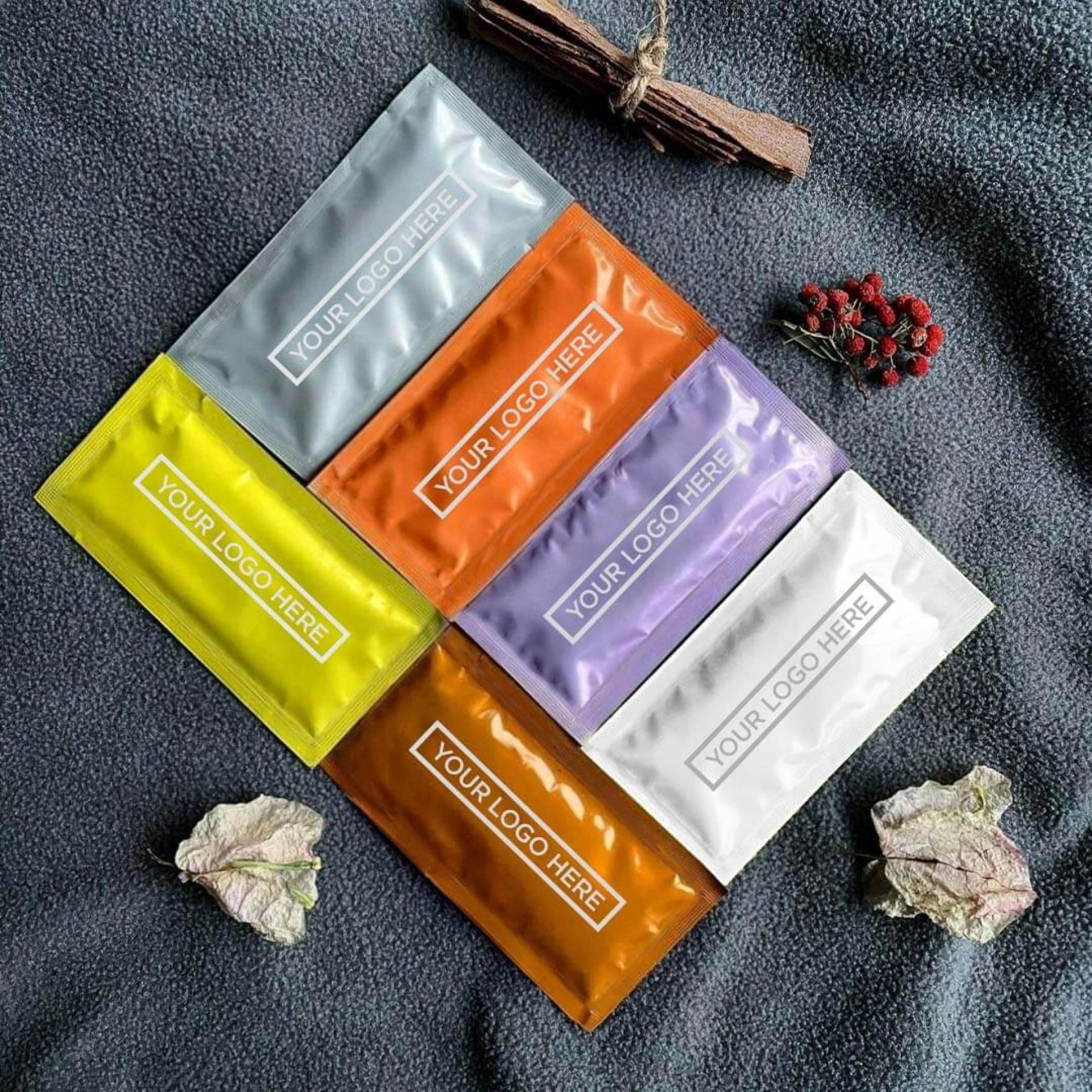
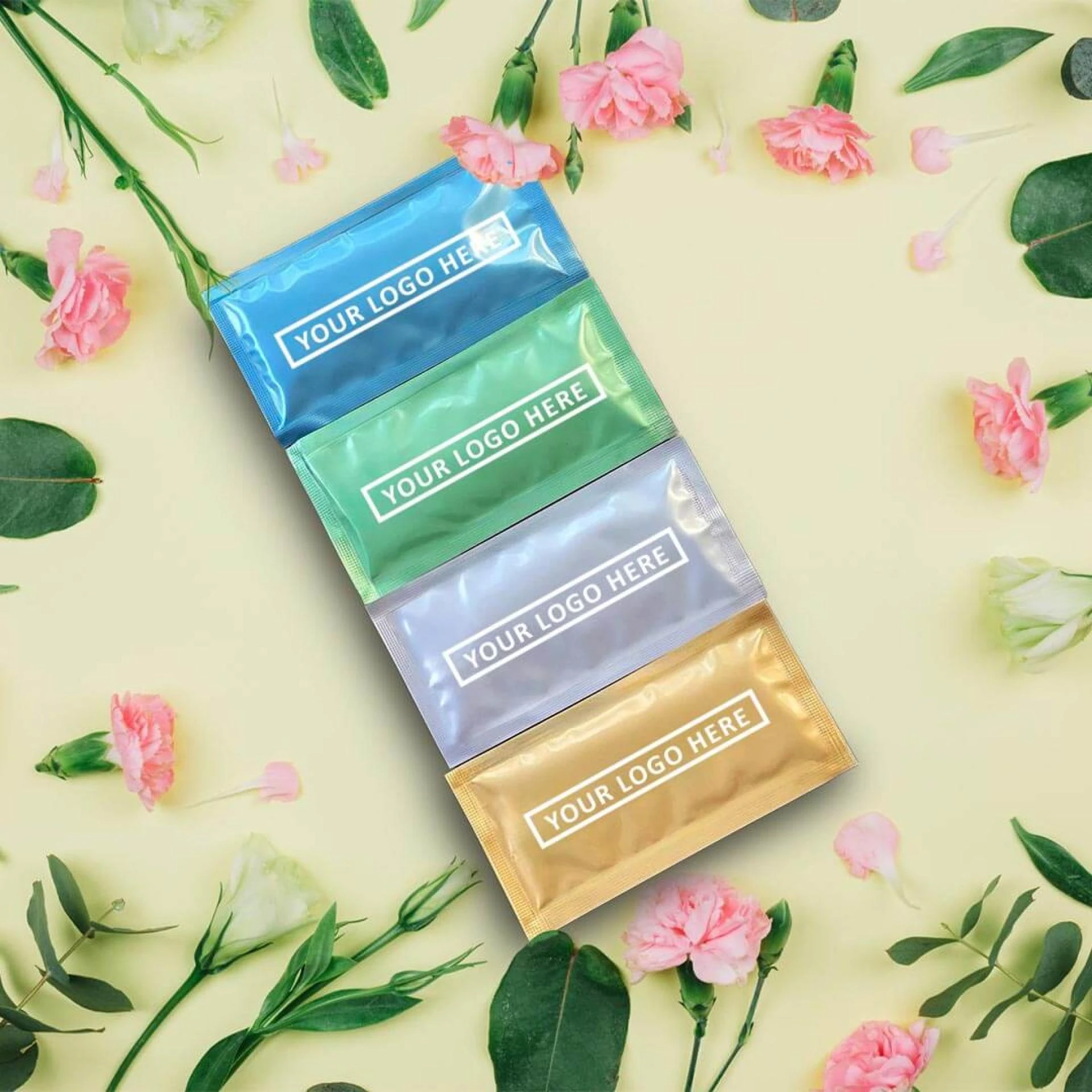
Individually wrapped wet wipes, on the other hand, are pre-moistened towelettes sealed inside single-use packaging. Each wipe remains protected until opened by the guest. The sealed format ensures consistent moisture retention and reduces exposure to environmental contaminants prior to use.
Hygiene and Cross-Contamination
Hygiene standards are increasingly central to restaurant operations. Bulk napkins stored in open dispensers can be vulnerable to cross-contact. In high-traffic environments, repeated handling may compromise cleanliness, particularly if dispensers are not regularly sanitized.
In contrast, individually wrapped wipes provide a controlled, single-use solution. Because each wipe is sealed, it remains untouched until the customer opens it. This significantly lowers the risk of cross-contamination and aligns with stricter food safety protocols often observed in catering, healthcare food service, and premium dining establishments.
Customer Experience and Brand Perception
Customer perception plays a critical role in repeat business and brand loyalty. Bulk napkins are widely accepted in quick-service and casual dining environments. They are functional and cost-efficient, but rarely contribute to a premium impression.
Individually sealed wipes often communicate attentiveness and care. When presented neatly alongside cutlery or delivered after a meal, they can elevate the overall dining experience. The tactile act of opening a fresh, sealed wipe reinforces a sense of hygiene and quality.
Midway through service evaluation, many operators recognize that restaurant wet wipes individually wrapped contribute not only to sanitation but also to perceived professionalism. In competitive markets, these small details can differentiate one establishment from another.
Cost and Operational Efficiency
From a procurement perspective, bulk napkins are typically less expensive per unit. They are produced and shipped in high volumes with minimal packaging, making them attractive for businesses operating on tight margins.
Individually wrapped wipes generally cost more due to added packaging and moisture infusion processes. However, they can help control waste. Guests tend to use only one wipe, whereas bulk napkins are often taken in excess and partially discarded.
Operationally, sealed wipes also provide portion control and predictable consumption patterns. While they may require slightly more storage space due to packaging, inventory management can be more precise because distribution is standardized per guest.
Environmental Considerations
Sustainability has become an important procurement factor. Bulk napkins are often recyclable or compostable, depending on material composition. However, overuse and improper disposal can reduce their environmental advantage.
Individually wrapped wipes involve additional packaging materials, but many manufacturers now offer biodegradable wipes and eco-conscious wrappers. When evaluating environmental impact, operators should assess total lifecycle considerations, including production materials, transportation, waste generation, and usage rates.
Choosing the Right Option for Your Service Model
Selecting between bulk napkins and individually wrapped wipes depends largely on service style, cuisine type, and brand positioning. Quick-service restaurants prioritizing speed and cost efficiency may continue to rely on bulk napkins. Full-service or upscale establishments that emphasize guest experience and sanitation control may prefer individually sealed wipes.
Restaurants serving messy or hands-on dishes often benefit from the superior cleaning performance of moist wipes. Catering events and corporate functions may also require individually sealed options to meet higher hygiene expectations.
Evaluate Your Hygiene Standards and Guest Experience!
The difference between bulk napkins and restaurant wet wipes individually wrapped extends beyond packaging. It reflects a restaurant’s approach to cleanliness, presentation, cost management, and customer satisfaction. By carefully assessing hygiene requirements, service style, and brand goals, operators can make a decision that strengthens both operational efficiency and guest perception.
If you are reviewing your dining service standards, now is the time to evaluate which option best supports your long-term hospitality objectives and customer experience strategy.


























Sign in to leave a comment.