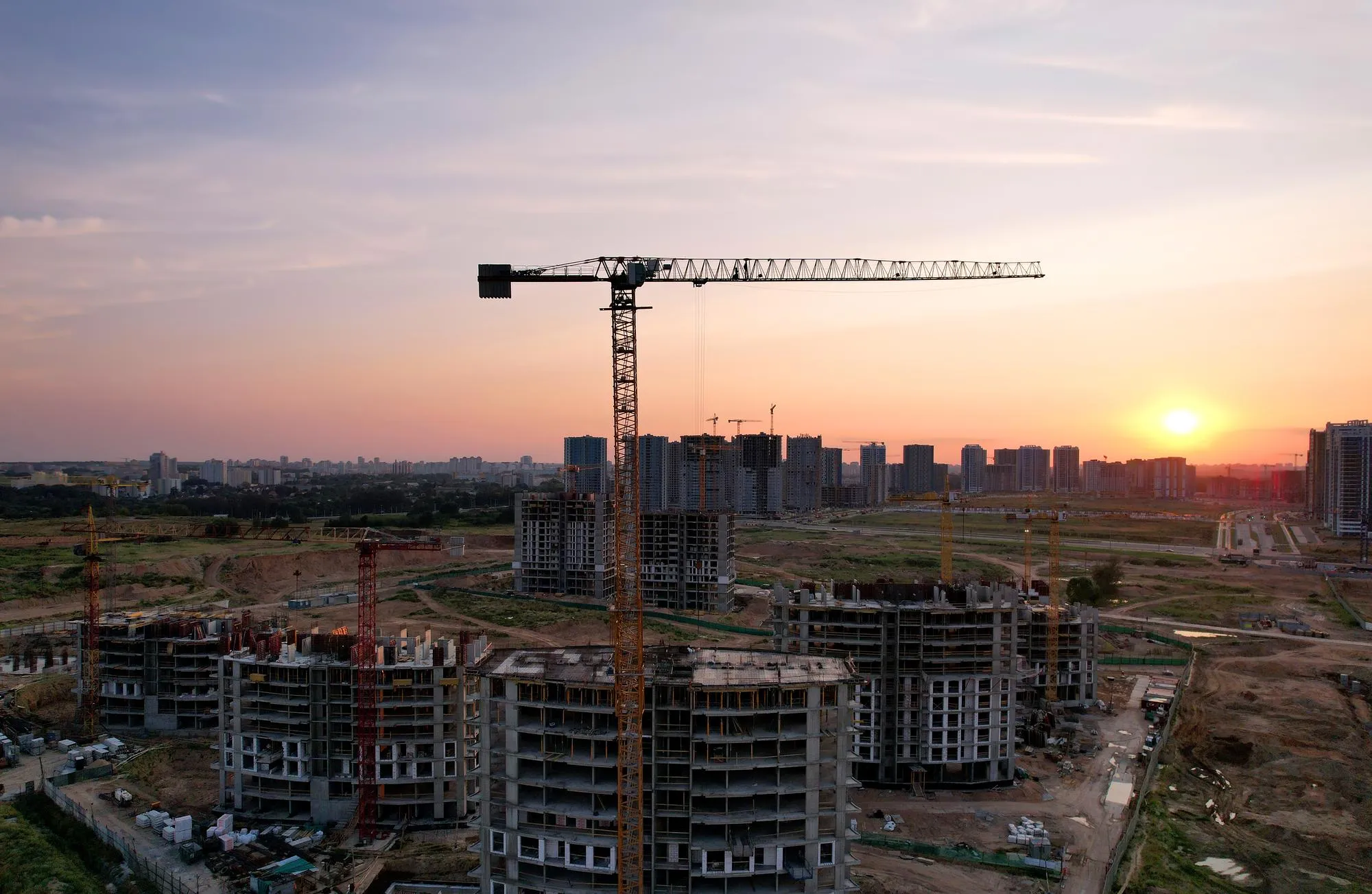

Modern infrastructure would not be what it is without building construction. It is a vital component in the way we shape our surroundings, from residential neighbourhoods and commercial hubs to the likes of schools, hospitals and industrial sites. Yet one cannot apply the same approach to every structure. The method of construction is dictated by a host of factors: the project’s size and location, its structural needs, the materials at hand, the budget and, above all, its intended purpose.
For architects, developers, property owners, and businesses, understanding the different types of building construction is essential for making informed decisions during the planning and development stages. This guide explores the main types of construction, commonly used structural materials, and modern construction methods. It also highlights key considerations when choosing the right building construction services for a project.
What Is Building Construction?
At its core, building construction is the means of planning, designing and putting up a structure to serve a particular end. The work proceeds in stages: from an initial site assessment and architectural plans to the laying of foundations and the erection of the structure itself. It also encompasses the installation of electrical and plumbing systems, the finishing touches and, ultimately, the handover of the completed project.
Of course, how that process unfolds will be quite different for a high-rise or a factory as it would for a residential home, school or hospital. In any case, one cannot have a building that is safe, durable and functional without the right degree of coordination among all the parties involved, be they architects, engineers, contractors or suppliers.
Major Types of Building Construction
Residential Building Construction
Residential construction focuses on buildings designed for people to live in. Common examples include individual houses, villas, apartments, gated communities, and high-rise residential towers.
Residential projects require careful attention to space planning, structural safety, ventilation, natural lighting, plumbing, electrical systems, and interior finishes. For larger developments, construction also involves coordinating multiple buildings, common areas, parking facilities, landscaping, and external infrastructure.
The construction method depends on factors such as the number of floors, soil conditions, architectural design, and project budget. Reinforced concrete structures are widely used for multi-storey residential buildings because they provide strength and durability.
Commercial Building Construction
Commercial building construction includes properties designed for business and commercial activities. Offices, retail stores, shopping centers, restaurants, hotels, and other business facilities fall under this category.
Commercial buildings often require flexible floor plans, efficient circulation, accessibility, adequate parking, fire-safety systems, and specialized electrical and mechanical infrastructure. The building also needs to support the operational requirements of the business occupying the space.
For larger commercial projects, effective project management becomes especially important because multiple contractors, suppliers, design teams, and finishing activities may need to work simultaneously.
Industrial Building Construction
Industrial construction involves facilities such as factories, manufacturing units, warehouses, and production centers. These buildings are designed around the specific operational needs of a business.
Unlike conventional buildings, industrial projects may require heavy structural systems, large floor areas, specialized foundations, equipment foundations, ventilation systems, loading zones, and enhanced safety provisions.
The design must consider the movement of machinery, raw materials, finished products, workers, and vehicles. Structural strength and functionality are therefore major priorities in industrial building construction.
Institutional Building Construction
Institutional construction covers buildings designed for public, educational, healthcare, and community-related purposes. Schools, colleges, hospitals, medical facilities, and government buildings are common examples.
These projects often have specialized requirements related to accessibility, safety, fire protection, electrical systems, ventilation, sanitation, and high occupancy. Healthcare buildings may require complex medical infrastructure, while educational campuses may include classrooms, laboratories, libraries, hostels, administrative buildings, and recreational facilities.
Because of their specialized functions, institutional projects require detailed planning and coordination between architectural, structural, electrical, mechanical, and other engineering disciplines.
Types of Construction Based on Structural Materials
Concrete Construction
Concrete is one of the most widely used construction materials. Reinforced cement concrete, commonly known as RCC, combines concrete with steel reinforcement to provide strength and structural stability.
Concrete construction is widely used for foundations, columns, beams, slabs, walls, and high-rise structures. Its durability and versatility make it suitable for residential, commercial, institutional, and industrial projects.
Steel Construction
Steel construction uses structural steel components to create strong and relatively lightweight structural systems. Steel is particularly useful for buildings that require large spans, high structural strength, or faster structural assembly.
It is commonly used in industrial buildings, warehouses, commercial structures, and certain high-rise applications. Proper design, fabrication, corrosion protection, and connection detailing are essential for achieving the desired performance.
Masonry Construction
Masonry construction generally involves materials such as bricks, concrete blocks, and mortar. It is commonly used for walls and partitions in residential, commercial, and institutional buildings.
Masonry can offer durability, thermal performance, and fire resistance when properly designed and constructed. It can also be combined with reinforced concrete or steel structural systems to create complete building structures.
Factors That Determine the Type of Building Construction
Several factors influence the choice of construction type and method. The first is the purpose of the building because a hospital has very different requirements from a residential apartment or factory.
Other important considerations include the project budget, site and soil conditions, local climate, building height, available materials and labor, construction timeline, and applicable building regulations.
Developers should also consider long-term maintenance, energy efficiency, durability, and sustainability. A construction method that appears economical initially may not always be the most cost-effective option over the building's entire lifecycle.
Modern Building Construction Methods
Construction technology continues to evolve, offering new ways to improve project efficiency and quality. Prefabricated and modular construction allow certain building components to be manufactured under controlled conditions before being assembled at the project site.
Precast concrete is another widely used approach, particularly for projects where standardized structural components can help improve consistency and speed. Sustainable construction methods also focus on reducing material waste, improving energy efficiency, and selecting environmentally responsible materials.
Modern project-management technologies can further improve planning, communication, quality control, documentation, and coordination between different teams involved in a construction project.
How to Choose the Right Construction Company
Selecting the right construction company requires more than simply comparing quotations. Start by checking whether the contractor has experience with the specific type and scale of building you plan to construct.
Review previous projects, technical capabilities, project-management processes, quality-control practices, and the range of services offered. It is also important to understand what is included in the contract, how timelines are managed, and how communication will take place throughout the project.
A reliable construction partner should be able to understand your requirements, coordinate different project activities, manage resources effectively, and maintain appropriate quality and safety standards.
Why Choose Dhinwa Construction for Different Building Projects?
Choosing an experienced construction company can make a significant difference in the execution of a building project. Dhinwa Construction & Engineering is based in Jaipur and works across several construction segments, including high-rise residential, healthcare, educational, industrial, commercial, and hospitality projects.
One of its key strengths is its end-to-end approach. The company provides services covering pre-construction, construction management, project management, and turnkey/EPC construction, giving clients the option of managing multiple project requirements through a single construction partner.
For residential developments, Dhinwa states that it handles high-rise projects ranging from G+7 to G+19, including RCC structural execution, formwork, finishing, MEP, and turnkey construction.
Its project portfolio also includes healthcare and institutional developments, residential apartments, and hospitality projects. The company's listed projects include a medical college campus, hospital building, high-end apartments, and hotels in Jaipur.
This range of experience can be particularly useful for developers looking for a construction partner familiar with different building requirements rather than focusing on only one category of construction.
Conclusion
Building construction can vary greatly depending on a project's purpose, design, structural system, materials, and site conditions. Residential, commercial, industrial, and institutional buildings each have their own requirements and challenges.
Choosing the right construction method and an experienced construction partner can help ensure better coordination, quality, durability, and project execution. With experience across residential, healthcare, educational, industrial, commercial, and hospitality projects, Dhinwa Construction & Engineering offers construction and project-management solutions for a range of building requirements in and around Jaipur.























Sign in to leave a comment.