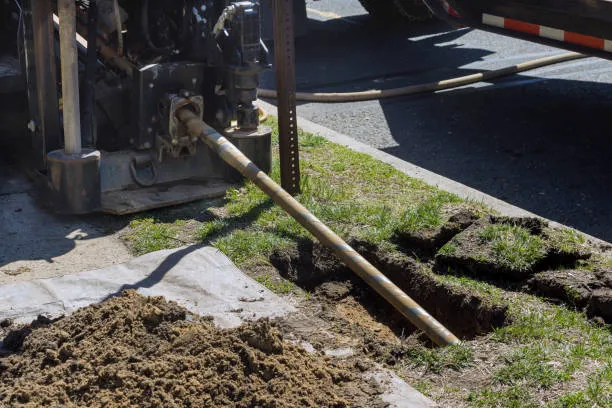

Parramatta has become one of the fastest-growing construction hubs in New South Wales. With rapid urban development, high-rise buildings, commercial complexes, and infrastructure upgrades, the demand for strong and reliable foundations has never been higher. One of the most critical elements in ensuring structural stability is piling. In particular, Piling Parramatta plays a vital role in supporting the city’s expanding skyline and complex ground conditions.
Piling is essentially a deep foundation technique used to transfer the load of a structure to stronger soil or rock layers deep underground. Because Parramatta often has varied soil conditions due to its proximity to the Parramatta River, piling is essential for ensuring long-term structural safety.
In this article, we’ll break down the different types of piling used in Parramatta construction projects and explain how each method works.
Why Piling Is Important in Parramatta
Before exploring the types of piling, it’s important to understand why it is so widely used in Parramatta.
The region’s construction environment presents several challenges:
- Mixed soil conditions including clay, silt, and sand
- High water tables near river-adjacent areas
- Dense urban development with limited surface space
- Increasing demand for multi-storey structures
Because of these factors, shallow foundations are often not enough. This is where Piling Parramatta becomes essential, providing deep structural support that ensures buildings remain stable and safe for decades.
1. Driven Piles
Driven piles are one of the most traditional and widely used piling methods in construction projects across Parramatta.
How It Works:
Pre-formed piles made of concrete, steel, or timber are driven into the ground using a hydraulic hammer or vibrating equipment until they reach a strong load-bearing layer.
Advantages:
- High load-bearing capacity
- Quick installation process
- Suitable for a variety of soil conditions
- Immediate load support after installation
Common Uses:
- Bridges
- High-rise buildings
- Industrial structures
Driven piles are especially useful in large-scale Piling Parramatta projects where speed and strength are important.
2. Bored Piles (Drilled Shafts)
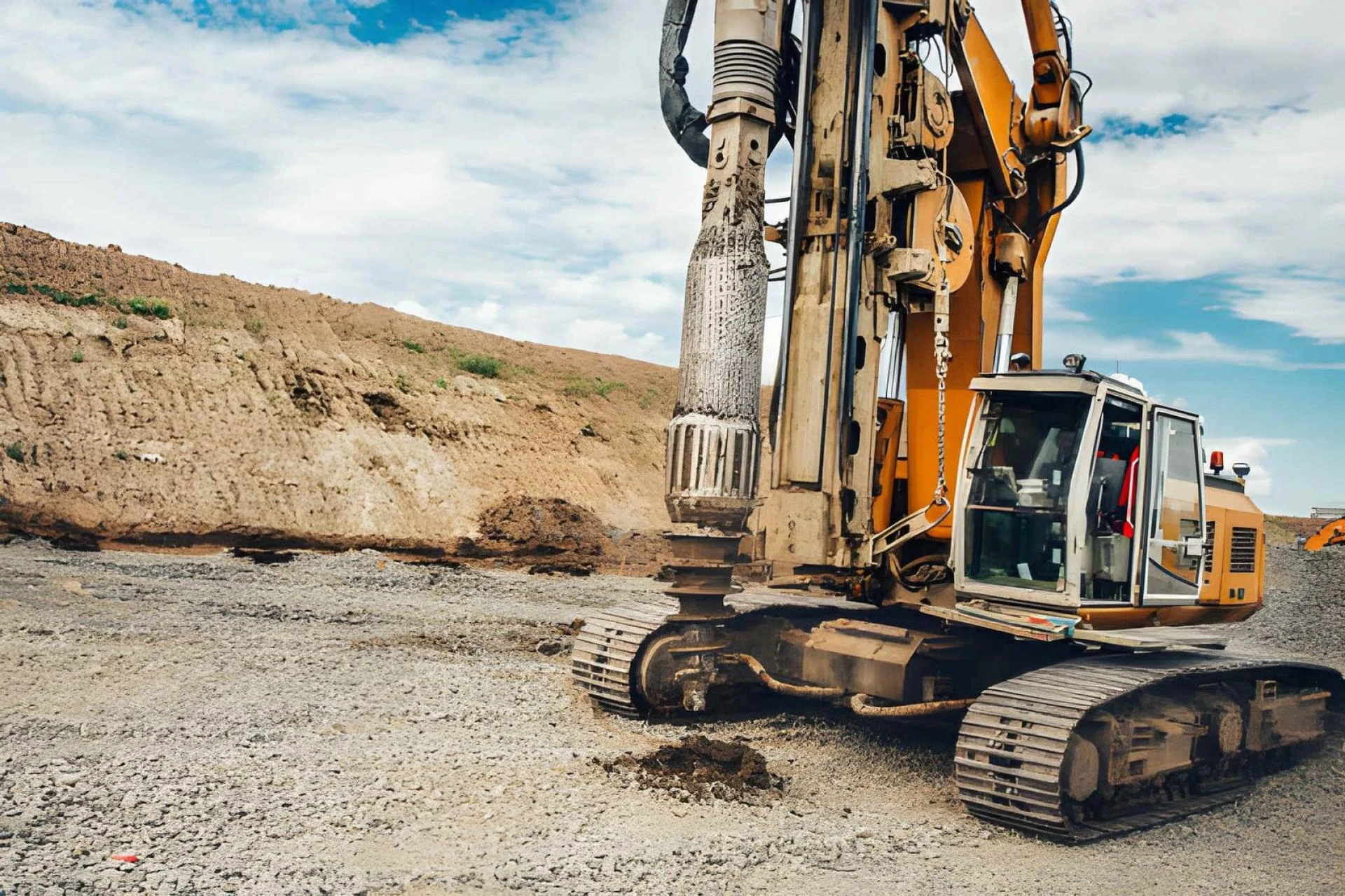
Bored piles are one of the most common methods used in modern urban construction, particularly in tightly packed areas like Parramatta.
How It Works:
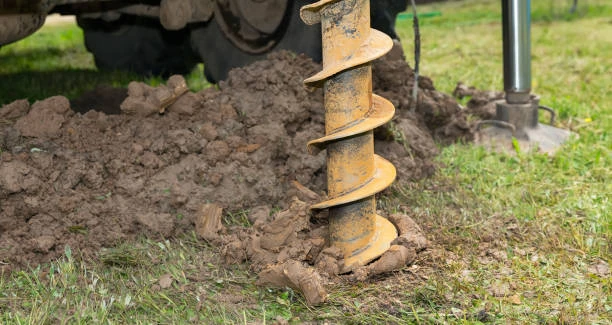
A deep hole is drilled into the ground using an auger. Once the required depth is reached, steel reinforcement is inserted, and the hole is filled with concrete.
Advantages:
- Minimal vibration and noise
- Ideal for urban environments
- Can be used in deep or complex soil conditions
- High structural stability
Common Uses:
- Commercial buildings
- Apartment complexes
- Infrastructure foundations
Because of their low noise and vibration levels, bored piles are a preferred choice in Piling Parramatta projects located near residential or commercial zones.
3. Screw Piles (Helical Piles)
Screw piles are gaining popularity in smaller construction projects due to their fast installation and minimal site disturbance.
How It Works:
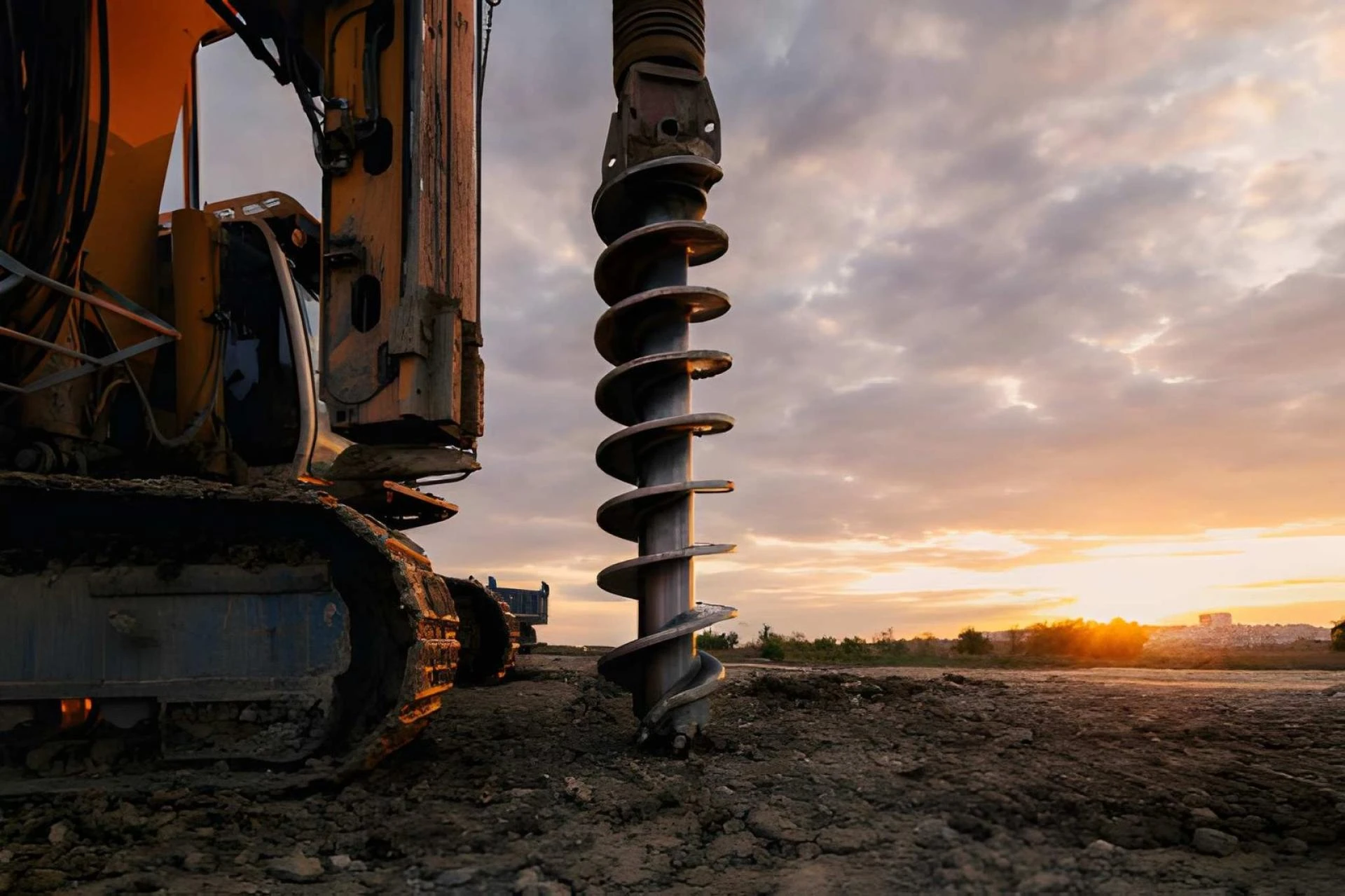
These piles have helical blades and are literally screwed into the ground using hydraulic machinery.
Advantages:
- Quick and clean installation
- No excavation required
- Suitable for tight or restricted access sites
- Can be loaded immediately after installation
Common Uses:
- Residential homes
- Decks and verandas
- Light commercial structures
In modern Piling Parramatta applications, screw piles are often used for smaller developments or temporary structures.
4. Sheet Piles
Sheet piling is commonly used for retaining soil and water rather than supporting vertical building loads.
How It Works:
Interlocking steel sheets are driven into the ground to form a continuous barrier or wall.
Advantages:
- Excellent for retaining soil and water
- Quick installation
- Can be reused in some cases
- Strong lateral support
Common Uses:
- Basement construction
- Riverbank protection
- Excavation support systems
Sheet piling is particularly useful in Parramatta near waterways where soil retention and water control are critical.
5. CFA Piles (Continuous Flight Auger Piles)
CFA piles are a modern, efficient method widely used in urban construction.
How It Works:
A hollow auger drills into the ground while concrete is pumped through the centre as the auger is slowly withdrawn. Reinforcement is then inserted into the wet concrete.
Advantages:
- Low noise and vibration
- No need for casing or temporary support
- Fast and efficient
- Suitable for sensitive urban environments
Common Uses:
- High-rise developments
- Bridges and road infrastructure
- Commercial projects
CFA piles are becoming increasingly popular in Piling Parramatta due to their efficiency and reduced environmental impact.
6. Timber Piles (Less Common Today)
Although not widely used in modern construction, timber piles still appear in certain niche applications.
How It Works:
Treated timber poles are driven into the ground to support lightweight structures.
Advantages:
- Cost-effective
- Environmentally friendly (when sustainably sourced)
- Easy to install
Common Uses:
- Temporary structures
- Light residential foundations
- Marine works (in some cases)
In today’s Piling Parramatta industry, timber piles are mostly replaced by stronger and more durable alternatives like concrete and steel.
Choosing the Right Piling Method
Selecting the right piling technique depends on several factors:
- Soil conditions
- Load requirements
- Project size and type
- Environmental restrictions
- Site accessibility
- Budget and timeline
Professional engineers conduct detailed geotechnical investigations before deciding which piling system is best suited for a specific project.
The Future of Piling in Parramatta
As Parramatta continues to evolve into a major commercial and residential centre, the demand for advanced foundation systems is only increasing. Modern Piling Parramatta techniques are becoming more efficient, sustainable, and technology-driven.
Innovations such as real-time monitoring systems, low-vibration machinery, and eco-friendly materials are shaping the future of foundation engineering in the region.
Final Thoughts
Piling is the backbone of modern construction, and in a rapidly developing area like Parramatta, it plays an essential role in ensuring structural safety and longevity. From driven piles and bored piles to CFA and screw piles, each method serves a unique purpose depending on site conditions and project requirements.
Understanding the different types of piling used in Piling Parramatta projects helps developers, engineers, and property owners make informed decisions that lead to safer and more efficient construction outcomes.
As the city continues to grow upward and outward, piling will remain a critical foundation technology supporting Parramatta’s future skyline.



























Sign in to leave a comment.