If you've ever requested a quote for a bore drilling project and been surprised by the variation between contractors, you're not alone. Bore drilling cost is one of the most commonly misunderstood line items in civil and utilities construction across Australia. A job that looks straightforward on paper can quickly become significantly more expensive once ground conditions, access constraints, pipe specifications, and regulatory requirements are factored in.
Whether you're a project manager scoping a new utilities crossing, a property developer planning infrastructure for a subdivision, or a contractor preparing a tender, understanding the key drivers of bore drilling cost is essential for accurate budgeting and avoiding unpleasant surprises mid-project.
In this guide, we break down every major factor that influences bore drilling cost in Australia — from soil conditions and bore length to equipment type, traffic management, and post-installation reinstatement. We also include an indicative cost reference table and a frequently asked questions section to help you navigate the quoting process with confidence.
What Is Bore Drilling and Why Does Cost Vary So Much?
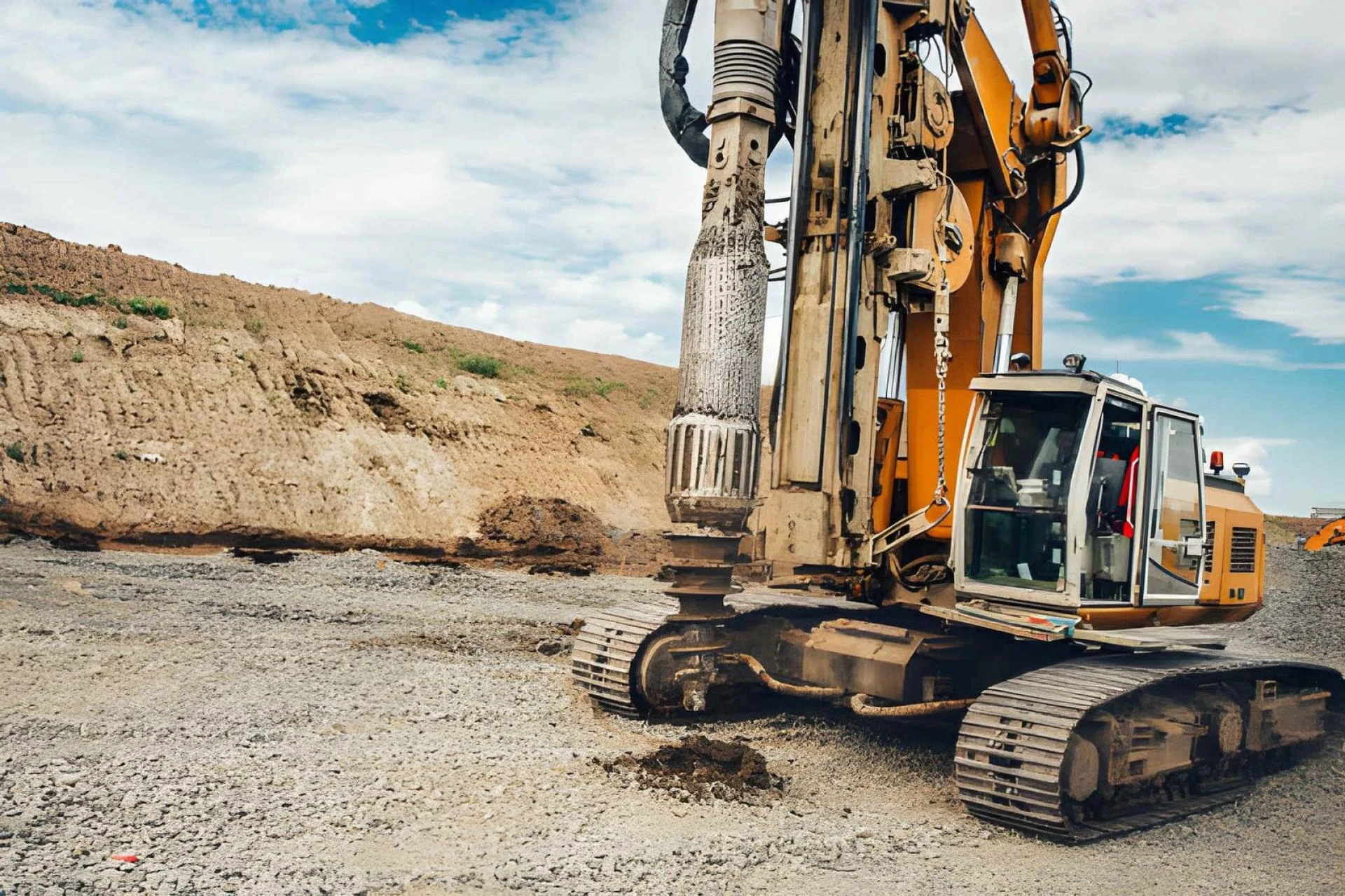
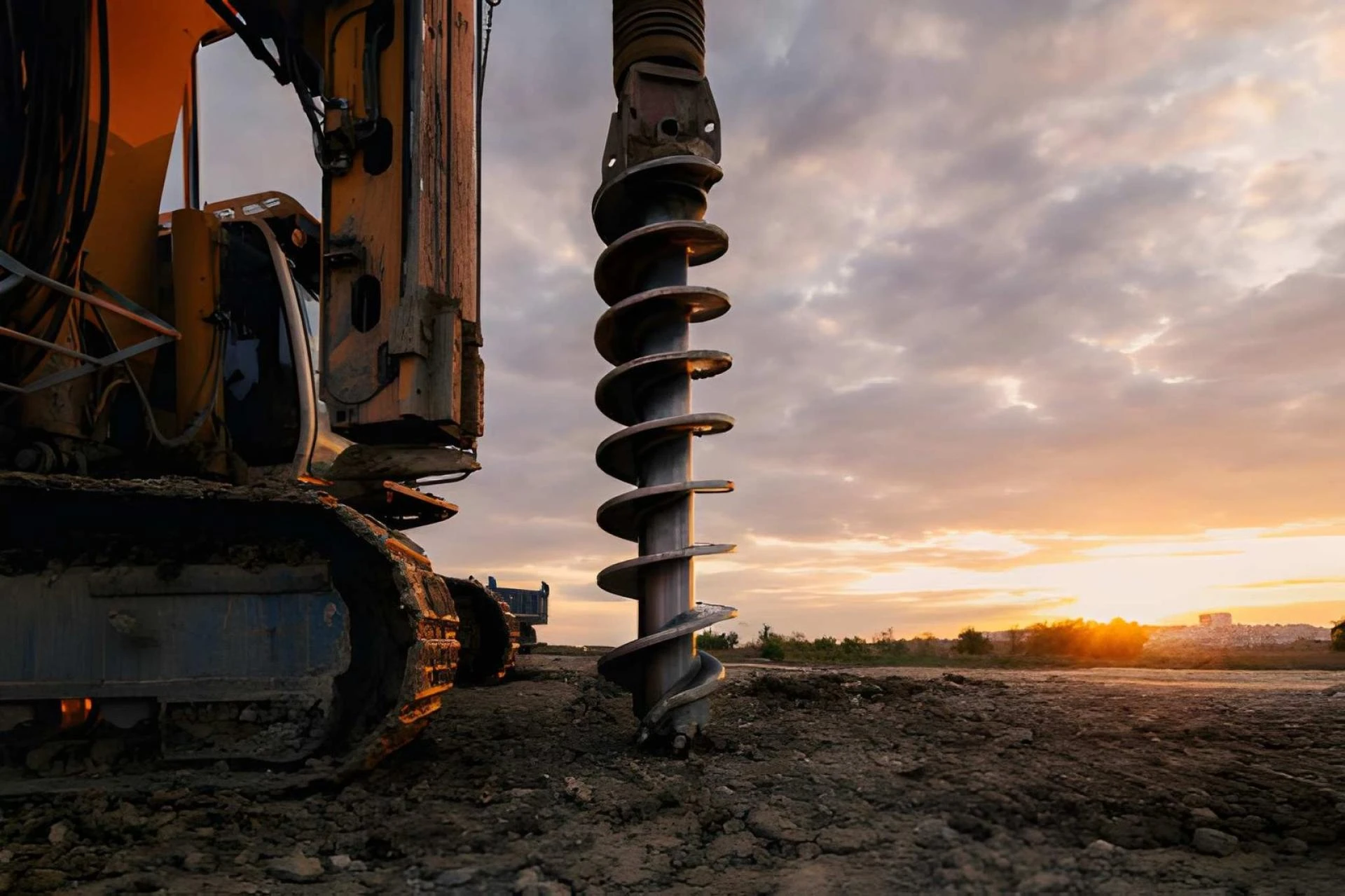
Bore drilling — commonly referring to Horizontal Directional Drilling (HDD) or directional boring — is a trenchless method of installing pipes, conduits, and cables beneath the surface without open excavation. A steerable drill head is guided along a predetermined path, and the product pipe is subsequently pulled back through the bore hole.
The wide variation in bore drilling cost from project to project comes down to the fact that no two bores are the same. Soil conditions, bore length, pipe diameter, site access, urban density, and the complexity of the installation all combine to produce a unique cost profile for every job. A simple 20-metre residential bore in sandy coastal soil is a very different undertaking — financially and technically — to a 300-metre urban crossing through sandstone beneath a major road.
Understanding the individual cost components allows you to have more informed conversations with contractors, build more realistic project budgets, and make better decisions when comparing quotes.
The Key Factors That Drive Bore Drilling Cost
FACTOR 1 Bore Length and Depth
The most obvious driver of bore drilling cost is how far and how deep the bore needs to go. Longer bores require more drill pipe, more drilling fluid, more operator time, and typically more powerful equipment — all of which add to the cost. Depth also plays a significant role: deeper bores require more precise tracking, heavier drill string weights, and often larger rigs with greater pull-back force capacity. As a general rule, bore drilling cost increases progressively rather than linearly with length — the first 50 metres is typically cheaper per metre than the second 50 metres, due to the cumulative effect of friction, fluid management complexity, and bore stability demands.
FACTOR 2 Soil and Ground Conditions
Ground conditions are arguably the single greatest variable in bore drilling cost. Soft, homogeneous soils — fine sands, silts, and soft clays — are the most economical to bore through, offering predictable drilling behaviour and low tool wear. As ground conditions become harder or more variable, costs escalate rapidly. Cobbles, gravels, weathered rock, and hard sandstone all require specialist tooling such as DTH (Down-The-Hole) hammer bits, tri-cone roller cutters, or rock reamers, which increase equipment hire, consumable costs, and drilling time significantly. In some Australian regions — particularly the Sydney Basin, parts of Brisbane, and the Adelaide Hills — rock or highly variable ground is the norm rather than the exception, and bore drilling cost estimates must reflect this accordingly.
FACTOR 3 Pipe Diameter and Material Type
The diameter of the pipe or conduit being installed directly affects bore drilling cost in two ways. First, larger diameter pipes require wider bore holes, which means multiple reaming passes and greater drilling fluid volumes — both of which add time and cost. Second, larger and heavier pipes create greater pullback resistance, requiring more powerful (and more expensive) rig configurations. The material of the product pipe also matters: HDPE pipe is generally the easiest to pull back due to its flexibility and relatively smooth outer surface, while steel pipe creates more friction and may require careful lubrication management during installation. Multi-conduit or bundled installations add further complexity.
FACTOR 4 Mobilisation and Equipment Configuration
Every bore drilling project involves a mobilisation cost — the expense of getting the rig, support equipment, and crew to site and setting up for the job. For short bores, mobilisation can represent a disproportionately large component of the total bore drilling cost. Mini HDD rigs used for shallow suburban bores are relatively affordable to mobilise, while maxi rigs required for large-diameter or long-distance bores involve substantially higher mobilisation costs due to the size of the equipment fleet — including mud mixing units, vacuum excavators, pipe support rollers, and ancillary vehicles. For projects in regional or remote areas of Australia, logistics costs can be significant.
FACTOR 5 Site Access and Working Constraints
The physical characteristics of the site have a direct bearing on bore drilling cost. Projects in open, greenfield areas with clear entry and exit points are typically the most economical. In contrast, urban sites with constrained access, narrow laneways, multi-storey basement carparks, or limited entry pit space require more complex equipment setup, longer pipe string staging, and more careful drilling fluid management — all of which increase time and cost. The distance between the entry and exit pits also matters: if the receiving pit is not readily accessible for pipe staging, additional handling equipment or extended pipe string management will be required.
FACTOR 6 Traffic Management and Permit Requirements
For bore drilling projects on or adjacent to public roads, traffic management is a significant and often underestimated component of bore drilling cost. In Australian capital cities, the cost of a full road closure or lane occupation on a busy arterial road can run into thousands of dollars per day — and this is before the permit fees charged by road authorities such as Transport for NSW, VicRoads, or TMR. Complex traffic management plans, the need for after-hours works to minimise disruption, and multiple stages of permit approvals all add to the project cost. Always factor in traffic management as a distinct and potentially major line item when budgeting a bore drilling project in an urban environment.
FACTOR 7 Drilling Fluid Management and Spoil Disposal
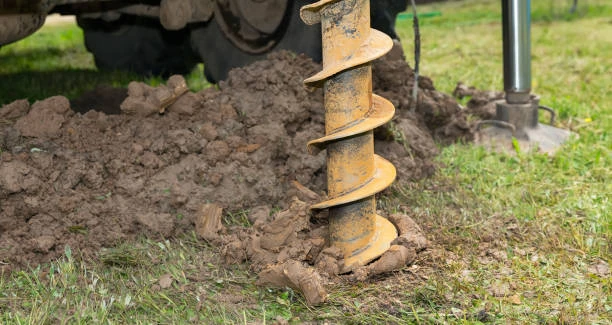
Bentonite-based drilling fluid is the lifeblood of any HDD operation. The volume of fluid required, the cost of mixing and recycling, and the expense of disposing of the resulting spoil slurry all contribute to bore drilling cost. On larger projects or those in environmentally sensitive areas, spoil management becomes particularly important — and expensive. In some urban areas, discharge of drilling fluid to stormwater is not permitted, requiring the full volume of returns to be tanked and transported to an approved waste facility. The cost of spoil disposal can vary significantly across Australian states and territories depending on local environmental regulations.
FACTOR 8 Geotechnical Investigation and Pre-Project Planning
One of the most cost-effective investments on any significant bore drilling project is a thorough geotechnical investigation before works commence. A geotechnical report gives the contractor accurate information about soil stratigraphy, rock hardness, groundwater levels, and potential bore stability risks — all of which directly affect the choice of drilling equipment, fluid formulation, and bore path design. Skipping a geotechnical investigation to save money upfront can result in far greater costs if unexpected ground conditions are encountered during drilling. On projects above approximately $50,000 in total value, a geotechnical investigation is almost always cost-positive when considered over the full project lifecycle.
Indicative Bore Drilling Cost Reference Table
The figures below are indicative ranges based on typical Australian market conditions as of 2025. Actual costs will vary depending on the specific factors outlined in this guide. These figures should be used for preliminary budgeting purposes only — always obtain itemised quotes from qualified HDD contractors for any specific project.
Practical Tips to Manage and Reduce Bore Drilling Cost
While many cost drivers are determined by the physical characteristics of the project, there are several things you can do to manage bore drilling cost effectively:
- Commission a geotechnical investigation early — accurate ground information prevents costly surprises during drilling.
- Engage your HDD contractor during the design phase — early contractor input on bore path alignment and entry/exit pit locations can significantly reduce complexity and cost.
- Combine multiple bore installations where possible — mobilising a rig once to install several conduits or pipelines is far more economical than separate mobilisations.
- Plan permit applications well in advance — delays caused by late permit lodgement can extend traffic management durations and increase daily site costs.
- Request itemised quotes — a single lump-sum price makes it impossible to identify where cost savings might be achievable or where risk is being priced in.
- Consider the full lifecycle cost — a slightly higher-cost bore drilling method that causes less reinstatement damage or reduces traffic management duration may deliver a lower total project cost.
Final Thoughts
Bore drilling cost is rarely a simple calculation, and no two projects are priced the same way. The eight factors explored in this guide — bore length and depth, ground conditions, pipe diameter, mobilisation, site access, traffic management, drilling fluid management, and geotechnical investigation — all interact to produce the unique cost profile of every bore drilling project in Australia.
The best way to protect your budget is to understand these drivers before you go to market for quotes. An informed client is better positioned to evaluate contractor proposals, identify risks, and make decisions that deliver genuine value over the full project lifecycle.
If you're planning a bore drilling project and want to ensure your budget reflects the real cost drivers for your specific site, engage a reputable HDD contractor or civil engineer early in the process. Their insight during the planning and design phase can save considerably more than their involvement costs.
Frequently Asked Questions
Q: What is the average cost per metre for bore drilling in Australia?
Bore drilling cost per metre varies widely depending on ground conditions, bore diameter, and project complexity. As a general guide, simple residential bores in soft soil typically range from $80 to $150 per metre, while complex urban bores through mixed or hard ground can cost $200 to $400 per metre or more. These figures do not include mobilisation, traffic management, or reinstatement costs, which are typically priced separately.
Q: Why are bore drilling quotes so different between contractors?
Significant variation in bore drilling quotes is common and usually reflects differences in how contractors are pricing the ground risk, their equipment capability, their overhead structure, and the level of detail they have applied to your specific site conditions. A very low quote may indicate that the contractor has not fully assessed the site or is pricing minimal contingency — which can lead to variations and claims during the project. Always compare itemised quotes and ask each contractor to explain how they have assessed the ground conditions.
Q: Does the type of pipe material affect bore drilling cost?
Yes. HDPE pipe is the most commonly installed product in HDD bores and is generally the most economical to pull back due to its flexibility and low surface friction. Steel pipe creates greater pullback resistance and may require specialised swivel configurations and more careful fluid lubrication management, adding to cost. The pipe diameter also matters — larger diameters require wider bore holes and more reaming passes, which increases both time and consumable costs.
Q: How much does a geotechnical investigation add to bore drilling cost?
A geotechnical investigation for a bore drilling project typically costs between $800 and $5,000 depending on the number of test holes, the depth of investigation, and the complexity of the laboratory analysis required. While this is an upfront cost, it almost always pays for itself by allowing the contractor to price the job accurately and avoid costly changes if unexpected ground conditions are encountered. On projects above $30,000 to $50,000 in total value, a geotechnical investigation is strongly recommended.
Q: Are traffic management costs included in bore drilling quotes?
This varies between contractors and projects. Some contractors include traffic management in their bore drilling cost estimate as a lump sum, while others price it separately or require the client to engage a specialist traffic management company directly. Always clarify this at the quoting stage — traffic management costs for projects on busy urban roads can be substantial and should never be assumed to be included without confirmation.
Q: How can I reduce the bore drilling cost on my project?
The most effective ways to reduce bore drilling cost include commissioning a geotechnical investigation to eliminate ground condition uncertainty, engaging the contractor early in the design phase to optimise bore path alignment and entry/exit locations, combining multiple conduit installations into a single mobilisation, and applying for road permits well in advance to avoid costly extensions to traffic management durations. Requesting itemised quotes from multiple experienced contractors also helps you identify genuine opportunities for cost reduction rather than accepting a lump sum at face value.
Q: Do bore drilling costs differ significantly between Australian states?
Yes, bore drilling cost can vary between states due to differences in labour market conditions, contractor availability, permit fee structures, environmental compliance requirements, and the prevalence of challenging ground conditions. Projects in regional or remote areas also attract mobilisation premiums. New South Wales, Victoria, and Queensland tend to have the most competitive markets due to higher contractor density, while Western Australia, South Australia, and the Northern Territory may attract higher rates due to distance and logistics costs.






















Sign in to leave a comment.