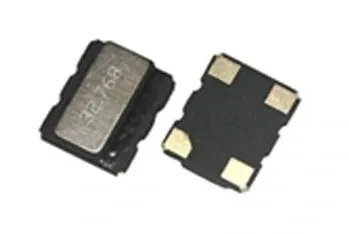

Differential TCXO for High-Stability Timing, GPS Accuracy, and Low-Jitter Signal Integrity
Differential TCXO: Precision Frequency Stability for Advanced Electronic Systems
A Differential TCXO, or Differential Temperature Compensated Crystal Oscillator, is a high-performance timing device designed to deliver stable frequency output across changing temperature conditions. It combines the accuracy of temperature compensation with the signal integrity advantages of differential output, making it an ideal solution for telecommunications, GPS tracking, LTE base stations, CATV systems, LAN equipment, test instruments, data centers, and advanced electronics.
In modern systems, timing accuracy is not optional. Even small frequency errors can affect signal quality, data transmission, positioning accuracy, and system reliability. A Differential TCXO solves these challenges by reducing frequency drift, minimizing jitter, improving noise immunity, and maintaining consistent performance in demanding environments.
What Is a Differential TCXO?
A differential crystal oscillator is a temperature compensated crystal oscillator that provides a differential output signal instead of a single-ended output. Traditional TCXOs compensate for frequency changes caused by temperature variation. Differential TCXOs go one step further by using output formats such as LVDS or LVPECL, which help improve signal quality in high-speed and noise-sensitive circuits.
The oscillator uses a quartz crystal as its frequency reference. Since quartz naturally changes frequency slightly when temperature changes, the TCXO includes a compensation circuit that corrects this drift. This allows the device to maintain tight frequency stability across a wide operating temperature range.
The differential output sends two complementary signals. The receiving circuit reads the difference between these signals, which helps reject common-mode noise and reduce electromagnetic interference. This makes Differential TCXOs especially valuable in high-speed communication and precision timing applications.
BT3225B Differential TCXO: Compact SMD Timing Solution
The BT3225B Differential TCXO is a miniature surface-mount oscillator designed for compact electronic systems that require excellent stability and strong signal integrity. Its small package size makes it suitable for high-density PCB layouts where space is limited.
Key Specifications of BT3225B Differential TCXO
Package size: SMD 3.2 × 2.5 mm
Output type: Differential output
Output options: LVDS or LVPECL
Performance: Excellent frequency stability over a wide temperature range
Design advantage: Compact, lightweight, and suitable for automated SMT assembly
The 3.2 × 2.5 mm package helps engineers reduce board space without sacrificing timing performance. This makes the BT3225B a strong choice for portable devices, wireless systems, communication modules, and precision electronic equipment.
LVDS and LVPECL Differential Output Options
Differential TCXOs often support LVDS and LVPECL output formats. These output types are widely used in advanced electronic systems because they support fast switching, low jitter, and strong noise rejection.
LVDS Output
LVDS, or Low Voltage Differential Signaling, uses low voltage swings to transmit data efficiently. It consumes less power and generates less electromagnetic interference than many traditional output formats. LVDS is ideal for compact devices, data communication systems, and power-sensitive applications.
LVPECL Output
LVPECL, or Low Voltage Positive Emitter Coupled Logic, provides fast transition speeds and excellent timing performance. It is commonly used in high-speed networking, telecom systems, and precision clock distribution applications.
By offering LVDS or LVPECL output, a Differential TCXO gives designers the flexibility to match oscillator performance with system requirements.
How Differential TCXO Enhances GPS Accuracy
GPS systems depend on precise timing. A GPS receiver calculates location by measuring the time it takes signals to travel from satellites to the receiver. If the oscillator inside the receiver drifts, timing errors can occur. These timing errors may reduce positioning accuracy.
A Differential TCXO enhances GPS accuracy by maintaining a stable frequency even when temperature changes. Outdoor GPS devices often face heat, cold, vibration, and rapid environmental shifts. A standard oscillator may drift under these conditions, but a temperature compensated oscillator corrects the drift and keeps the timing reference stable.
This stability helps GPS receivers maintain stronger synchronization with satellite signals. As a result, the system can deliver more accurate and dependable location data.
Differential TCXOs are especially useful in:
GPS tracking systems
Fleet management devices
Surveying equipment
Navigation systems
Drones and UAV positioning
Precision agriculture devices
Timing modules for communication networks
For applications that require exact positioning, stable frequency output can make a major difference in real-world performance.
Key Features of Differential TCXO Technology
Advanced Temperature Compensation
Temperature changes can cause quartz crystals to shift frequency. Differential TCXOs use compensation circuitry to reduce this drift. The oscillator monitors temperature behavior and adjusts the circuit to keep the output frequency close to its target value.
This feature allows the device to perform reliably in environments where temperatures vary throughout the day or across operating conditions.
High Frequency Stability
A major benefit of a Differential TCXO is its high frequency stability. Stable frequency output reduces timing errors, improves synchronization, and supports reliable system operation.
High stability matters in applications such as:
Telecommunications
GPS and GNSS systems
Wireless base stations
Test and measurement equipment
High-speed computing
Network synchronization
When a system requires precise timing, frequency stability directly affects performance.
Low Jitter and Low Phase Noise
Jitter and phase noise can degrade signal quality. In communication systems, excessive jitter may increase bit errors and reduce data integrity. In RF and GPS applications, phase noise can affect sensitivity and accuracy.
Differential TCXOs are designed to provide cleaner timing signals with lower noise. This helps improve performance in high-speed and precision systems.
Differential Output for Better Signal Integrity
Differential output improves signal integrity by reducing common-mode noise, electromagnetic interference, and crosstalk. Since the receiving circuit measures the voltage difference between two opposite signals, external noise that affects both lines equally can be rejected.
This makes Differential TCXOs ideal for dense circuit boards and electrically noisy environments.
Low Power Consumption
Many Differential TCXOs are designed for efficient operation. Low power consumption is important for portable devices, GPS trackers, communication terminals, and battery-powered equipment. Efficient timing components help extend battery life while maintaining reliable performance.
Applications of Differential Crystal Oscillators
Differential crystal oscillators are used wherever systems need accurate timing, high-speed signal transmission, and superior noise performance. Their stable frequency output and differential signaling make them suitable for advanced electronic platforms.
Telecommunications Networks
Telecommunication systems require precise synchronization to maintain stable connections and high-quality signal transmission. Differential TCXOs support LTE, 5G infrastructure, BTS equipment, optical transmission systems, and networking hardware.
They help reduce jitter, improve clock accuracy, and support reliable communication across complex networks.
LTE, BTS, and Wireless Infrastructure
Base transceiver stations and LTE equipment depend on accurate clock signals. A Differential TCXO provides the frequency stability needed to manage radio communication, synchronize network timing, and reduce signal interference.
In wireless infrastructure, a stable oscillator helps improve network reliability and call or data quality.
CATV and LAN Equipment
Cable television and local area network systems use precise timing to support clean data transmission. Differential TCXOs improve signal quality in CATV equipment, routers, switches, and network interface devices.
Their differential output helps protect signals from interference in high-density electronic environments.
GPS Tracking and Navigation Devices
GPS tracking devices need stable timing to maintain accurate position data. Differential TCXOs help trackers perform reliably in vehicles, outdoor equipment, industrial assets, and portable navigation devices.
Better timing stability supports faster signal acquisition and more dependable location performance.
Test and Measurement Equipment
Oscilloscopes, spectrum analyzers, frequency counters, signal generators, and precision instruments all require accurate reference timing. Differential TCXOs provide stable clock signals that help improve measurement accuracy and repeatability.
Data Centers and Servers
Modern data centers rely on precise clock distribution for processors, memory systems, storage networks, and high-speed interconnects. Differential crystal oscillators help reduce jitter and maintain synchronization across servers, switches, and cloud infrastructure.
High-Speed Computing Systems
AI servers, supercomputers, and cloud platforms use high-speed timing signals to coordinate complex operations. Differential TCXOs support reliable synchronization and clean clock distribution in these performance-focused systems.
Industrial and Automotive Electronics
Industrial automation systems, automotive radar, and advanced driver-assistance systems require stable timing under challenging conditions. Differential TCXOs help maintain frequency accuracy despite vibration, electrical noise, and temperature shifts.
Why Choose a Miniature 3.2 × 2.5 mm Differential TCXO?
The trend toward smaller and more powerful electronics has increased demand for compact timing components. A miniature 3.2 × 2.5 mm Differential TCXO gives designers a strong balance of size and performance.
This package offers several advantages:
Saves PCB space
Supports lightweight product designs
Works with automated SMD assembly
Fits compact wireless modules
Provides high stability in limited space
Supports high-speed differential signaling
For engineers building modern communication devices, GPS modules, and compact test equipment, this size offers a practical and reliable solution.
Choosing the Right Differential TCXO
When selecting a Differential TCXO, engineers should consider the following specifications:
Required output frequency
Frequency stability over temperature
Output type, such as LVDS or LVPECL
Package size and PCB footprint
Operating temperature range
Phase noise and jitter requirements
Supply voltage and current consumption
Application environment
Shock, vibration, and reliability needs
Choosing the right oscillator ensures stable system timing, cleaner signal transmission, and long-term reliability.
Differential TCXO for Reliable High-Precision Timing
A Differential TCXO offers an excellent combination of temperature compensated stability, low jitter, low phase noise, and enhanced signal integrity. Its differential output improves noise immunity, while its compact package supports modern space-saving designs.
Solutions such as the BT3225B Differential TCXO provide a miniature SMD 3.2 × 2.5 mm package, LVDS or LVPECL output options, and excellent stability across wide temperature conditions. These features make Differential TCXOs ideal for GPS tracking, LTE, BTS, CATV, LAN, test and measurement equipment, data centers, telecommunications, and advanced electronic systems.
For designs that demand accurate timing and dependable signal quality, a Differential TCXO delivers the precision and reliability needed to keep modern technology running at its best.
As one of electronic crystal manufacturers, we will do our best to meet all the needs of customers.



























Sign in to leave a comment.