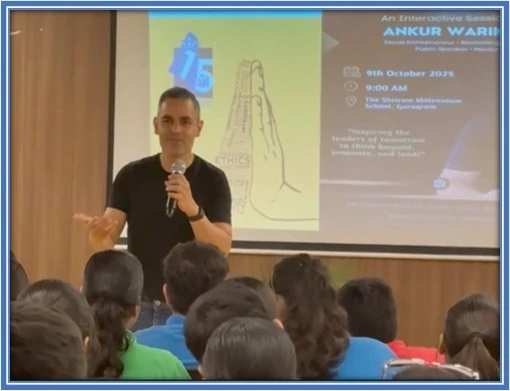

Screens shape attention before children learn to question their influence. Students shift between learning tabs, messages, alerts, and endless visual prompts. Focus becomes fragmented, yet expectations around performance continue rising. Families and schools now share responsibility for protecting attention as a life skill.
Choosing from the list of CBSE schools in Gurgaon will help you explore practical, human-centred methods that rebuild focus without rejecting technology or learning progress.
Understanding Attention Fatigue in Screen-Centred Learning
Digital tools support speed, access, and flexibility, yet constant stimulation taxes the developing brain. Students experience attention fatigue when screens compete with structured thinking tasks. The mind remains alert but rarely settled, which weakens comprehension and memory retention.
Educators observe that tired attention often appears as restlessness rather than disinterest. Focused learning requires deliberate pauses, predictable routines, and sensory balance within academic schedules.
How Home Environments Shape Digital Discipline
Families influence attention patterns long before classrooms intervene. Children mirror adult behaviour around devices, response urgency, and screen boundaries. Clear expectations at home support continuity between learning spaces and emotional security.
- Establish device-free hours during meals, study periods, and shared family routines.
- Maintain fixed sleep schedules to reduce screen-driven mental overactivity.
- Encourage reading habits that promote sustained attention and reflective thinking.
These measures stabilise attention without presenting screens as forbidden or harmful objects.
Strategies Schools Can Implement to Promote Mindful Focus
Schools can design learning environments that reduce digital noise while preserving engagement. Teachers observe better focus when lessons balance visual input with discussion and written reflection. Structure provides safety for attention in busy academic settings.
- Integrate short reflective breaks between screen-based tasks and written exercises.
- Use guided note-taking to anchor attention during digital presentations.
- Design collaborative activities that require listening, reasoning, and delayed responses.
Such methods reinforce concentration as a shared classroom value rather than an imposed rule. These are not idealistic solutions. They are practical changes many schools are already adopting as part of responsible learning design.
Teaching Students to Self-Regulate Digital Behaviour
Sustainable focus develops when students understand their own attention limits. Self-regulation education encourages responsibility without shame or restriction-based control. Students learn to recognise distraction patterns and adjust behaviour independently.
Simple practices include goal setting before screen use and reflection after tasks. These habits nurture accountability, emotional awareness, and long-term academic confidence.
Supporting Focus Through Parental Involvement at Home
Parents must also shift from control to coaching. Focus is not a switch to be turned on, it is a muscle to be trained. These are small but effective ways parents can help their children:
- Model Focused Behaviour: Children imitate what they observe. Parents can set aside devices during meals or reading time.
- Set Predictable Routines: Consistent timings for study, screen use, and sleep build stronger neurological patterns for attention.
- Curate the Digital Environment: Instead of removing devices entirely, help children declutter apps and notifications that drain focus.
- Use Screens for Collaboration: Let children engage in online learning projects, coding games, or digital art that involve concentration and creativity.
Focus at home should feel like support, not surveillance. It should teach children how to manage their attention, not fear distraction.
Choosing Learning Environments That Respect Mental Balance
Parents often evaluate academic outcomes while overlooking attention culture within schools. Institutions that value balance integrate technology with emotional wellbeing and structured thinking. Such schools encourage focus as a developmental outcome, not disciplinary enforcement.
Families comparing options, including a list of CBSE schools in Gurgaon, increasingly consider attention management practices. This shift reflects awareness that learning quality depends on how students engage, not only what they access.
How Schools Are Leading This Shift
The best educational institutions are no longer merely places of academic delivery. They are learning ecosystems, adapting thoughtfully to contemporary challenges.
When evaluating the list of CBSE schools in Gurgaon, many parents are beginning to ask a new set of questions:
- How does the school manage digital fatigue?
- What classroom practices promote mindfulness?
- How are teachers supported in navigating attention issues?
Schools must be spaces where students not only learn subjects, but also learn how to learn, without being derailed by a buzzing phone or a blinking screen.
Conclusion
Digital exposure will remain central to education, yet focus requires deliberate protection. Students thrive when adults align expectations across home and school environments. Balanced routines, reflective teaching, and self-regulation skills restore attention stability.
Such approaches prepare learners for academic depth and emotional resilience. These values define the educational philosophy upheld by The Shriram Millennium School, Gurgaon. We address these modern educational challenges with sensitivity and foresight. We help children not just succeed, but stay present and purposeful on the path to success.











Sign in to leave a comment.