


Buying or selling a home isn’t just about walls and roofs, it’s about emotion, trust, and timing. And guess what? The right digital marketing trick can make a buyer imagine sipping coffee on that balcony before they’ve even booked a visit. That’s the power an advertising agency for real estate taps into every single day.
Real estate has always thrived on word-of-mouth, but today, clicks, scrolls, and swipes are where deals begin. Behind those glossy campaigns are tested strategies, secret playbooks, and a bit of creative mischief that top real estate advertisers swear by. Let’s unlock them.
1. Ads That Think Smarter Than You
Gone are the days of throwing random ads on Facebook and hoping for the best. Real estate ads today are powered by AI and hyper-targeting.
An ad doesn’t just appear because you searched “flats in Panvel” once, it follows you. After all, data shows you’re at the right stage of your buying journey. Smart campaigns learn from your behavior, predict your intent, and nudge you with the exact property you didn’t know you wanted.
An expert advertising agency for real estate runs campaigns that:
- Retarget people who browsed similar listings.
- Automate bidding to spend less but convert more.
- Personalize ads so your feed feels less “ad” and more “oh wow, this is for me.”
It’s not creepy, it’s clever.
2. Social Media as the New Open House
Think of Instagram Reels and YouTube Shorts as digital streets where buyers stroll. Agents who know how to grab attention there don’t just post listings, they tell stories.
A 30-second reel walking through a living room, a drone shot circling the building, or even a casual “neighborhood café tour” can trigger curiosity faster than a glossy brochure. People crave authenticity, not just polished sales talk.
The most successful real estate marketers shoot videos on phones, add a personal voice-over, and keep it raw. Viewers don’t want Hollywood; they want real people showing real spaces. And that’s exactly why it works.
3. The Magic of Local SEO
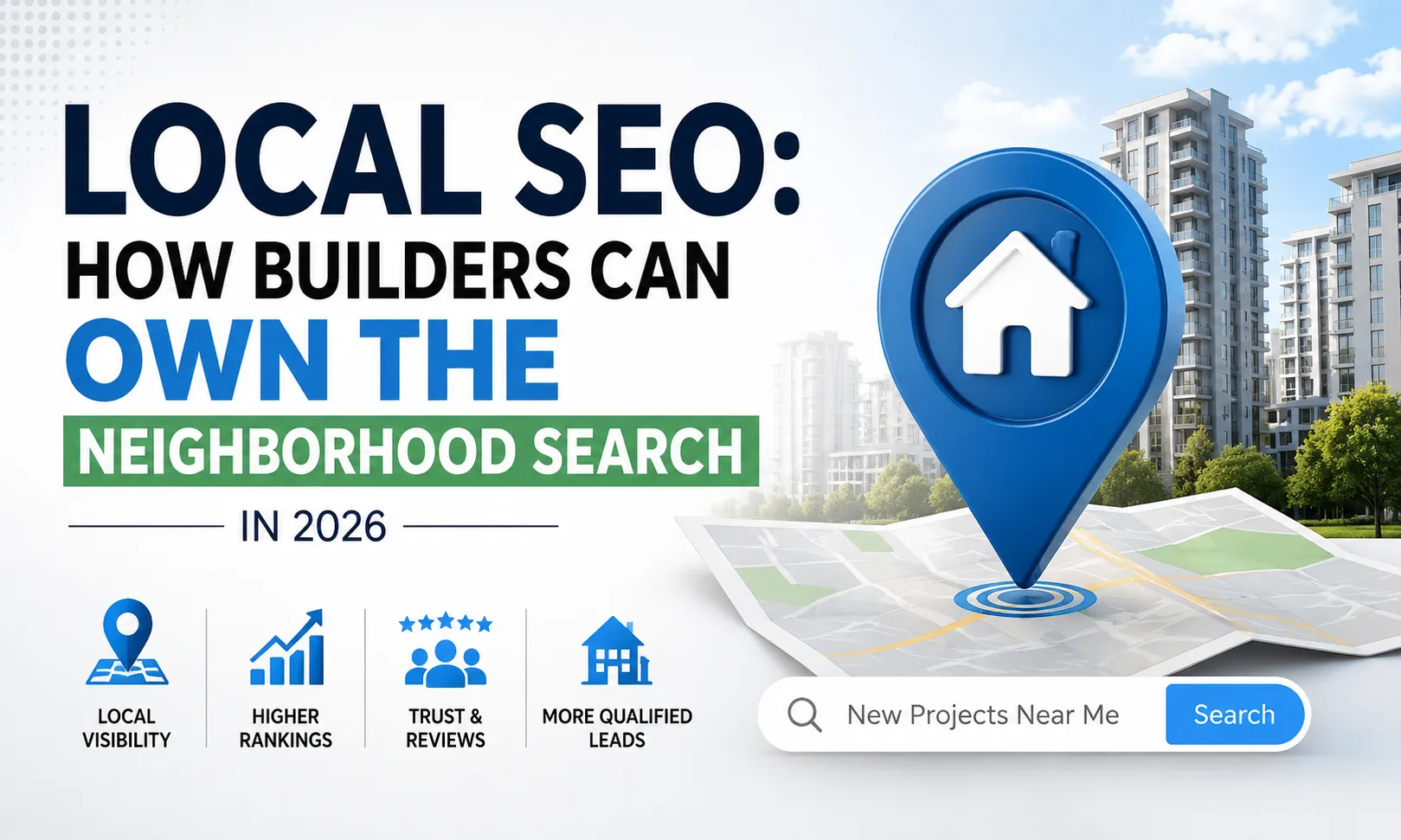
Type “2BHK near me” on Google, and what are the listings that pop up first? They didn’t land there by chance. They’re backed by local SEO strategies that make a business look trustworthy and omnipresent.
This is where real estate advertisers go hyperlocal. Instead of saying, “Flats available in Mumbai,” they say, “Affordable 2BHK near Panvel station.” They optimize Google Business Profiles, gather local reviews, and create content that highlights not just the property but the lifestyle around it.
It’s storytelling rooted in location because people don’t just buy homes; they buy neighborhoods.
4. SEO + GEO: The Power Duo
SEO (Search Engine Optimization) has been around for years, helping websites rank higher on Google. GEO (Generative Engine Optimization) is newer, it’s about making your content discoverable when people ask AI-driven tools like ChatGPT or voice assistants questions.
Here’s the magic: when SEO and GEO work together, visibility doubles. Traditional SEO ensures your projects show up when someone searches on Google. GEO makes sure your content also appears in AI-powered answers that more and more buyers rely on.
The smartest advertising agency for real estate doesn’t choose one, they blend both. That means:
- Using location keywords and metadata for Google searches.
- Writing structured, conversational content that AI engines can easily pick up.
- Anticipating questions buyers might ask (“Which area in Navi Mumbai is best for families?”) and weaving them into content.
It’s not SEO vs GEO. It’s SEO + GEO, a combination that gives your brand a stronghold across search engines and AI platforms.
5. Immersive Experiences That Sell Emotions
Digital marketing isn’t just about seeing, it’s about feeling.
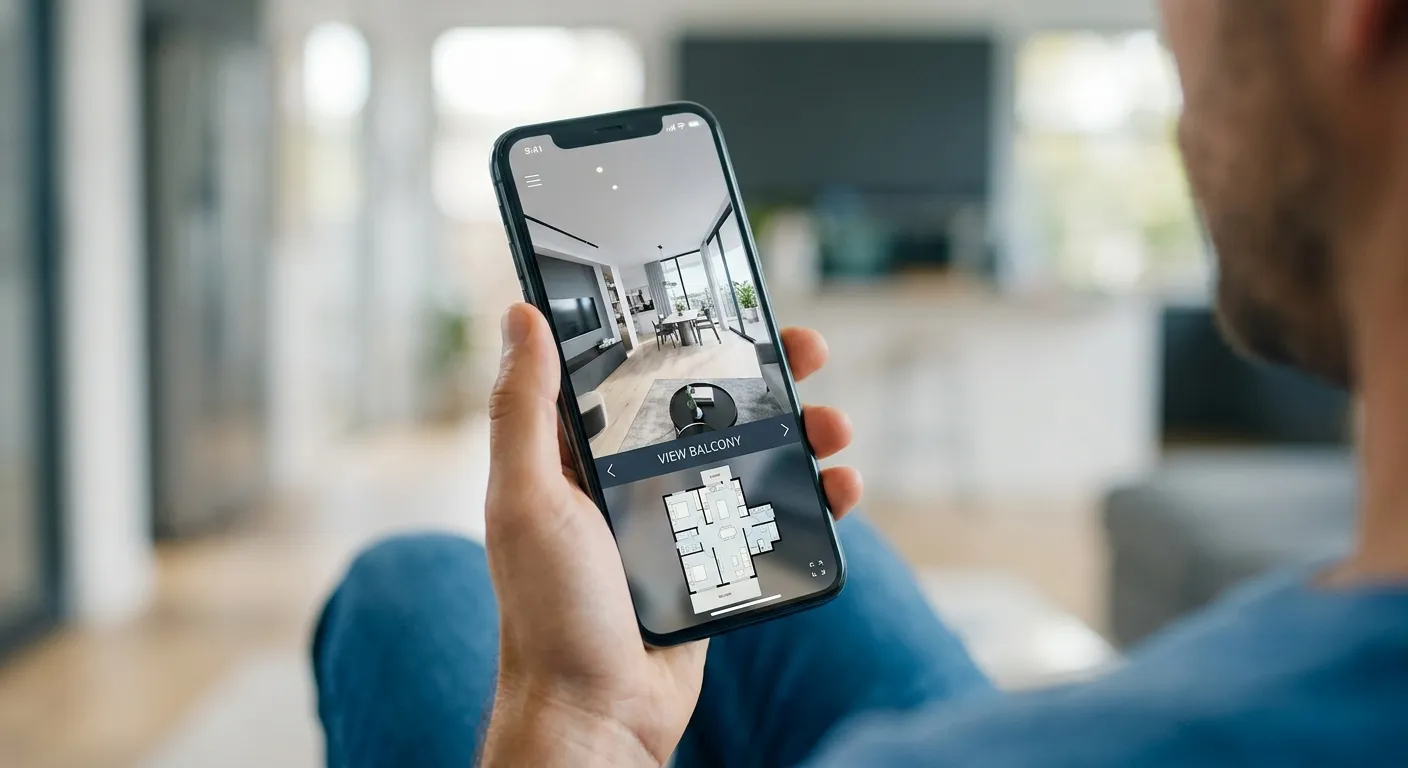
Virtual tours are now so advanced that buyers can walk through a home on their phone like it’s a video game. Some agencies even use gaming engines like Unreal to create jaw-dropping simulations. Add a touch of sensory marketing, like using signature scents at physical showings, and suddenly the house feels like a home.
Why does it matter? Because buying property is emotional. Smell, sound, and visuals all trigger trust. And the quicker someone feels “I belong here”, the faster the deal closes.
6. Personal Branding Beats Pushy Selling
One of the biggest shifts in real estate advertising is the move from hard-selling to personal branding. Buyers today don’t want to deal with “agents”; they want to deal with humans they can trust.
That’s why you see top realtors sharing not just property updates, but lifestyle tips, behind-the-scenes stories, and even failures. It creates relatability. When buyers see your face regularly in their feed, you’re not just another name, you’re the go-to expert they feel they already know.
7. Content That Builds Trust, Not Noise
Content marketing in real estate isn’t about writing 10 blogs a week. It’s about crafting content that educates, solves doubts, and builds trust.
Instead of shouting “Buy now,” a good campaign says:
- “Here’s how to check property legalities.”
- “5 mistakes first-time homebuyers make.”
- “What your broker won’t tell you about upcoming projects.”
These blogs, reels, or newsletters position you as the voice of authority. The subtle but powerful effect? When buyers are ready, they’ll come to you.
8. The Hybrid of Tech + Human Touch
Real estate may go digital, but it can’t lose its human soul. Algorithms can attract leads, but trust seals the deal. That’s why the real experts mix technology with personal attention.
A chatbot might answer FAQs at midnight, but a personal video message saying, “Hi, I thought of you when I saw this listing,” makes the buyer feel seen. And in real estate, feeling seen equals conversion.
Wrapping It Up
Digital marketing in real estate isn’t about shiny ads or spammy DMs anymore. It’s about creating emotional, personalized journeys powered by tech and authenticity.
The top secrets we’ve unwrapped from AI-powered ads and hyperlocal SEO to the combined force of SEO + GEO, immersive tours, and trust-driven branding—are what separate thriving agents from the ones still cold-calling.
And if all this sounds like too much to juggle, that’s where an advertising agency for real estate steps in. They blend strategy, creativity, and data into campaigns that get eyeballs, clicks, and ultimately, deals.
So whether you’re an independent realtor or a big developer, it’s time to rethink your playbook. Because buyers aren’t just searching for homes, they’re searching for connection. The agencies and agents who understand that? They’re the ones who’ll own the future of real estate marketing.




























Sign in to leave a comment.