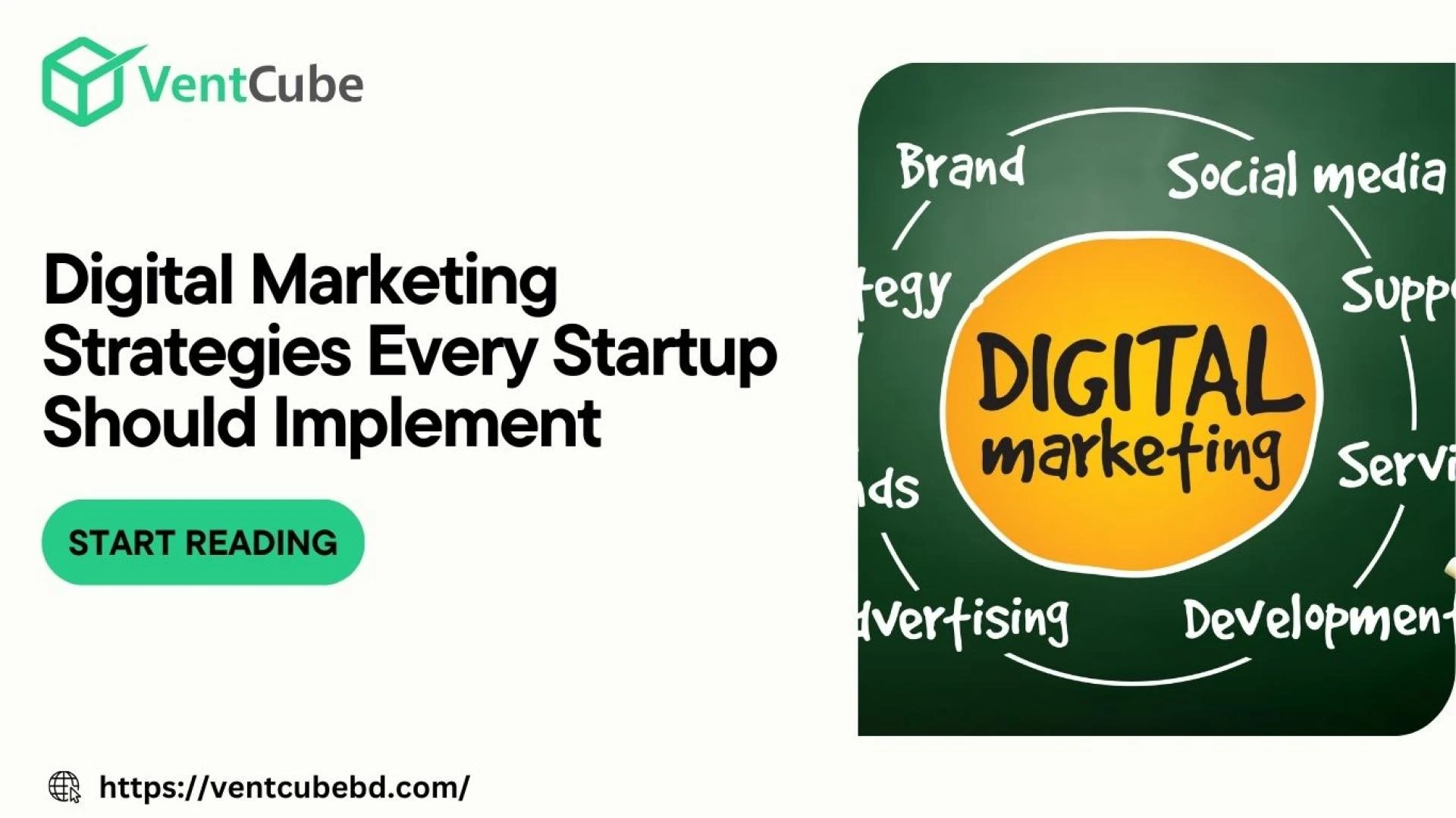
Starting a new business is exciting, but it also comes with its fair share of challenges—especially when it comes to getting noticed in a crowded market. One of the most effective ways to ensure your startup stands out is by implementing smart digital marketing strategies. Digital marketing allows you to reach a global audience, build brand awareness, and grow your business on a budget.
In this article, we’ll explore 5 digital marketing strategies every startup should implement to increase visibility, attract customers, and accelerate growth.
1. Develop a Strong Online Presence with a Professional Website
Your website is the cornerstone of your digital marketing efforts. It’s the first place potential customers will visit to learn more about your products or services. A professional, well-optimized website can help you build trust with your audience and convert visitors into paying customers.
Why is it important?
A website provides credibility and serves as the hub for all your digital marketing efforts. Whether it’s through search engine optimization (SEO), social media, or paid ads, your website will be the final destination where users decide if they want to engage with your business.
What to do:
- Design a User-Friendly Website: A clean, intuitive, and easy-to-navigate website will keep visitors engaged. Ensure it’s mobile-optimized, as more users are browsing on their phones than ever before.
- Speed Matters: A fast-loading website improves user experience and SEO rankings. Tools like Google PageSpeed Insights can help you assess and improve your website speed.
- Include Clear Calls-to-Action (CTAs): Make it easy for visitors to take the next step, whether that’s signing up for your newsletter, contacting you, or making a purchase.
Tools/Resources:
- Website Builders: WordPress, Wix, and Squarespace are popular choices for startups.
- Analytics Tools: Use Google Analytics to track website traffic and measure performance.
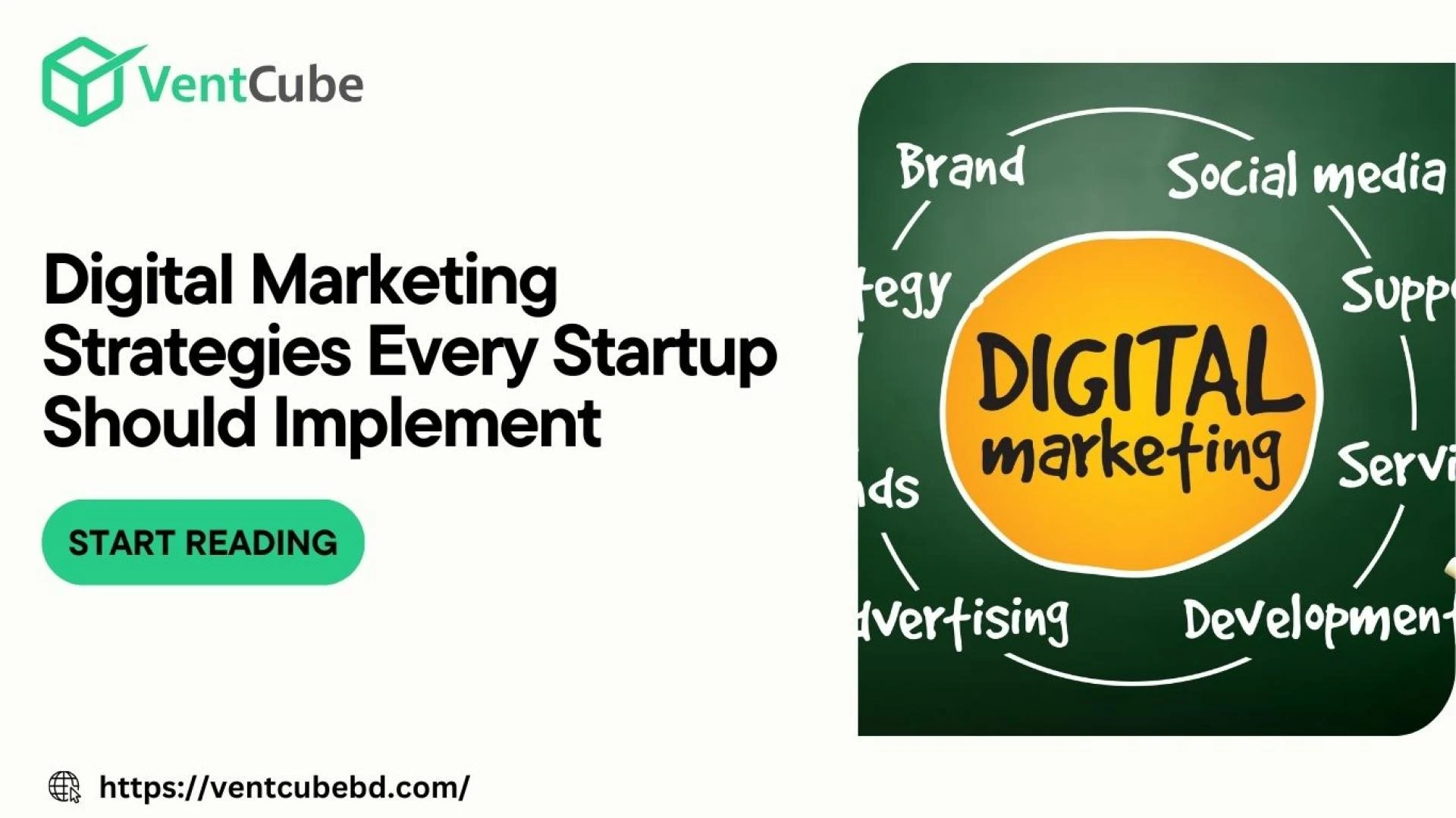
2. Harness the Power of Social Media Marketing
In today’s digital world, social media platforms like Instagram, Facebook, Twitter, and LinkedIn offer massive opportunities to connect with your audience and grow your brand. Social media marketing allows you to engage with your customers, promote your products, and build a loyal following.
Why is it important?
Social media helps you build a community around your brand, increase visibility, and drive traffic to your website. It also enables you to have real-time conversations with your audience, answer their questions, and gather feedback.
What to do:
- Choose the Right Platforms: Not every social media platform is right for every startup. Focus on the ones where your target audience is most active. For example, Instagram and Pinterest are great for visual businesses, while LinkedIn is ideal for B2B brands.
- Create Engaging Content: Share valuable, entertaining, and educational content that resonates with your audience. Use high-quality images, videos, and infographics to capture attention.
- Advertise on Social Media: Platforms like Facebook and Instagram offer targeted advertising, which allows you to reach users based on their interests, demographics, and behaviors.
Tips:
- Focus on quality over quantity when posting on social media.
- Monitor your performance using social media analytics to see what works and optimize accordingly.
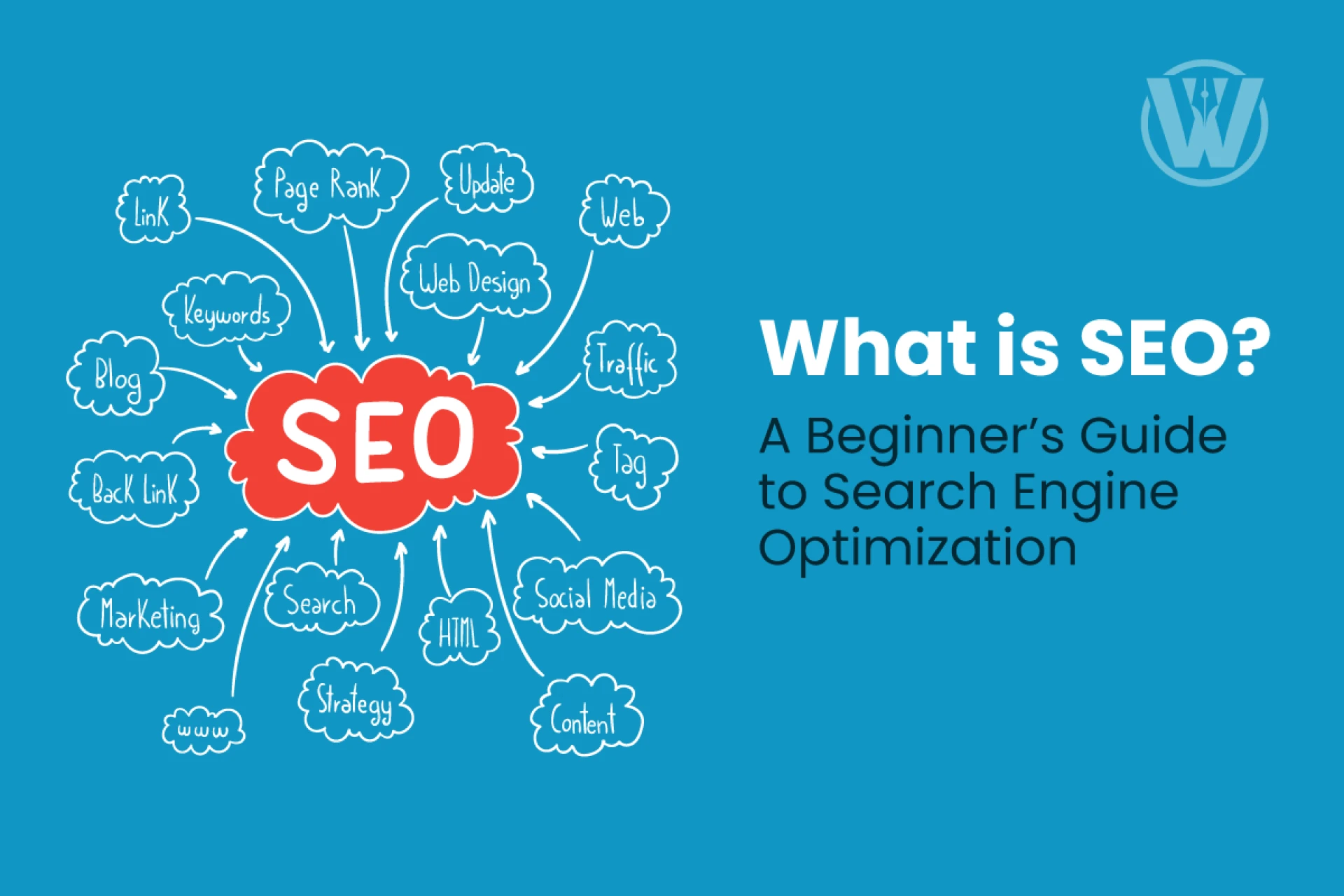
3. Optimize Your Website for Search Engines (SEO)
Search engine optimization (SEO) is the process of optimizing your website to rank higher in search engine results. SEO ensures that when people search for keywords related to your business, your website appears at the top of the search results, driving more organic traffic.
Why is it important?
Ranking high on search engines like Google means more visibility for your startup, leading to increased website traffic, brand awareness, and ultimately, sales. SEO is a long-term investment that helps build credibility and trust with search engines.
What to do:
- Conduct Keyword Research: Use tools like Google Keyword Planner to identify the keywords your target audience is searching for. These should be integrated naturally into your website content.
- Optimize On-Page Elements: Focus on optimizing title tags, meta descriptions, headers, and URLs. Ensure your website’s content is informative, relevant, and keyword-rich.
- Create Valuable Content: Blog posts, case studies, and how-to guides not only help with SEO but also provide value to your audience, positioning your startup as an industry authority.
Tools/Resources:
- Keyword Research: Google Keyword Planner, SEMrush, Moz.
- SEO Plugins: Yoast SEO (for WordPress) helps optimize content for search engines.
4. Leverage Email Marketing for Direct Communication
Email marketing is one of the most powerful tools for building relationships with your audience and converting leads into customers. By sending personalized, targeted emails, you can nurture prospects and keep your brand top-of-mind.
Why is it important?
Email marketing offers a direct line to your customers, allowing you to send tailored messages that drive action. It’s an essential tool for nurturing leads and increasing customer retention.
What to do:
- Build an Email List: Use lead magnets like eBooks, free trials, or discounts to encourage visitors to subscribe to your email list.
- Segment Your Audience: Personalize your email campaigns by segmenting your audience based on demographics, behaviors, or purchase history. This will increase engagement and improve conversion rates.
- Automate Email Sequences: Set up email automation for common workflows like welcome emails, abandoned cart reminders, and product recommendations.
Tools/Resources:
- Email Marketing Platforms: Mailchimp, ConvertKit, HubSpot.
- Email Automation: Set up automated email flows to save time and maintain consistent communication.
5. Invest in Pay-Per-Click (PPC) Advertising
Pay-per-click (PPC) advertising allows you to reach customers through targeted ads on platforms like Google, Facebook, and LinkedIn. PPC ads are a great way to attract immediate traffic and generate leads.
Why is it important?
PPC advertising provides instant visibility, especially when you're just starting out and organic search results can take time. You only pay when someone clicks on your ad, making it a cost-effective strategy when executed correctly.
What to do:
- Choose the Right Platforms: Google Ads and Facebook Ads are popular choices for startups, but also consider LinkedIn for B2B campaigns.
- Target the Right Audience: Use demographic targeting, interests, and behaviors to reach people most likely to be interested in your business.
- Monitor and Optimize Campaigns: Track performance and adjust your ad spend, targeting, and messaging based on the results you see.
Tips:
- Consider retargeting ads to re-engage users who have interacted with your website or social media but didn’t convert.
- Continuously test your ads to find the best-performing combinations.
Conclusion
In the fast-paced world of digital marketing, startups need to be strategic about how they allocate resources and reach their target audience. By implementing these 5 digital marketing strategies—building a professional website, leveraging social media, optimizing for SEO, using email marketing, and investing in PPC—you can set your startup up for long-term success.
Remember, digital marketing is an ongoing process. Monitor your efforts, analyze results, and be prepared to adapt your strategies as your business grows. The key is consistency and the willingness to learn and improve along the way.
Which strategy will you implement first to grow your startup’s digital presence?



























Sign in to leave a comment.