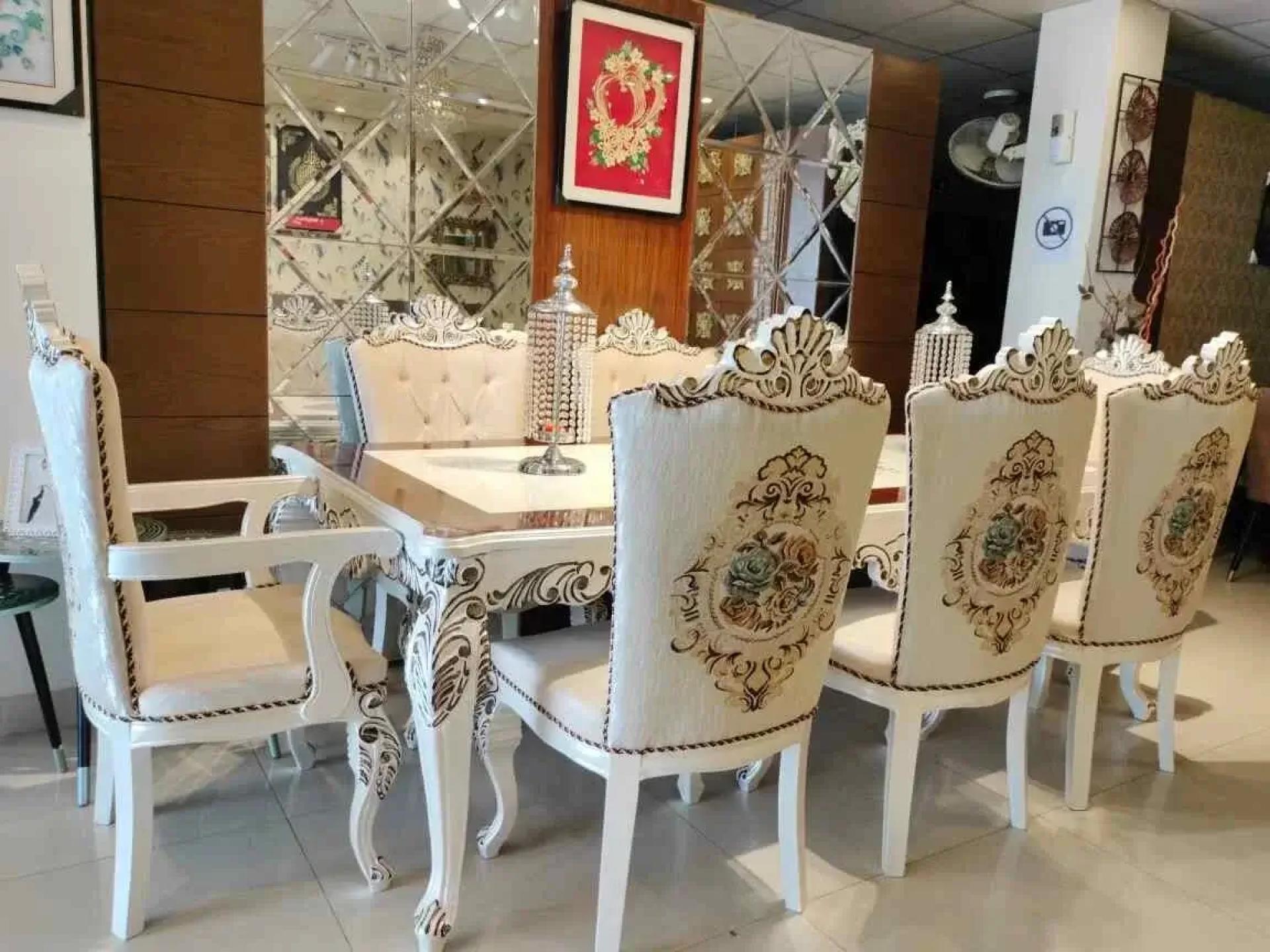

A dining table and chairs set is a familiar part of modern homes, but its role and design have evolved over centuries. Today it serves as a place for meals, conversations, and gatherings, yet historically dining furniture looked very different from what we see now. Understanding how dining tables and chairs developed helps explain why certain designs remain popular today.
Early Forms of Dining Furniture
In earlier centuries, many households did not have a permanent dining table. People often ate on simple wooden boards placed on stands or directly on low surfaces. In medieval Europe and parts of Asia, dining arrangements were temporary and could be removed after meals to create more living space.
Chairs were also considered a symbol of status. In many cultures, only the head of the household or important guests sat on chairs, while others used benches or floor seating. Over time, as homes became more structured and furniture design advanced, permanent dining tables and chairs became more common.
The Development of Modern Dining Sets
By the 17th and 18th centuries, dedicated dining rooms started appearing in wealthier homes. Furniture makers began crafting large wooden tables paired with matching chairs. These early sets often featured strong hardwood construction and decorative carvings.
During the 19th century, industrial manufacturing made furniture more accessible. Dining tables and chairs became available to a wider population, and standardized designs started appearing. This period also introduced extendable tables, allowing families to expand seating when hosting guests.
Functional Importance in Today’s Homes
In modern homes, the dining table and chairs set serves several purposes beyond dining. While its primary function is still for meals, it often becomes a multi-purpose space used for activities such as:
- Studying or homework
- Remote work or laptop use
- Social gatherings
- Board games and family discussions
Because of these varied uses, modern dining furniture is designed to balance comfort, durability, and aesthetics.
Cultural Differences in Dining Furniture
Dining furniture styles vary across cultures. In many Western homes, elevated tables and chairs are standard. However, in some Asian cultures, floor seating with low tables remains common.
In countries like Japan or Korea, traditional dining may take place around low tables with floor cushions. In contrast, European and North American designs typically emphasize tall chairs and large rectangular tables.
These cultural differences influence how dining furniture is designed, used, and placed within homes.
Materials Used Over Time
Historically, wood has been the most common material for dining furniture. Hardwoods such as oak, walnut, and teak were favored because they are strong and long-lasting. Over time, furniture makers began experimenting with other materials.
Today, dining tables and chairs can be made from:
- Solid wood, known for durability and natural texture
- Glass, often used in modern interiors
- Metal, commonly used in contemporary furniture frames
- Engineered wood, which allows more design flexibility
Each material offers different benefits in terms of appearance, maintenance, and strength.
Changing Dining Habits
Another factor shaping dining furniture is the way people eat today. In the past, families often gathered for large formal meals. Modern lifestyles are usually faster, with smaller meals and flexible schedules.
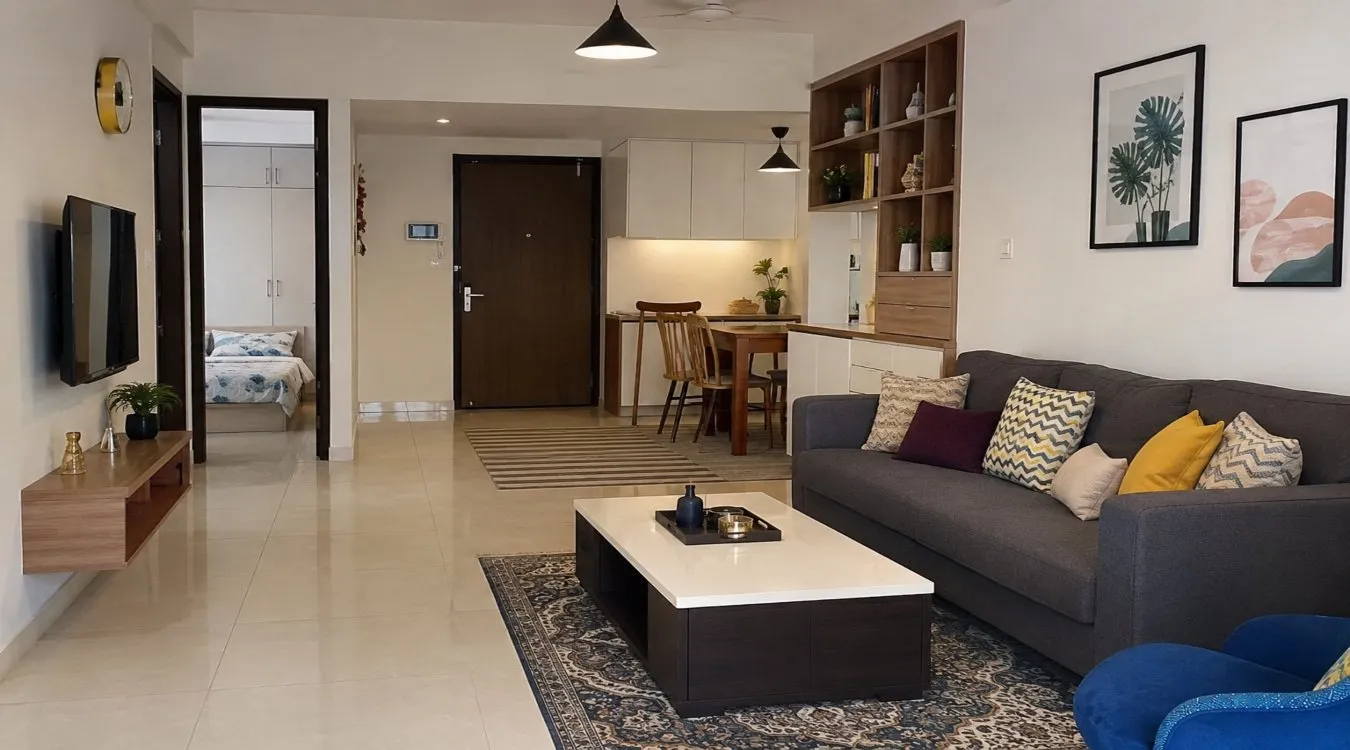
As a result, many homes now use compact dining tables or multi-functional furniture that fits smaller living spaces. Open-plan homes also combine dining areas with kitchens and living rooms, influencing the size and style of dining furniture.
Conclusion
The dining table and chairs set has evolved from simple wooden surfaces used centuries ago into a central feature of modern homes. Its design reflects changes in culture, lifestyle, and interior spaces. While materials and styles continue to change, the purpose remains the same: providing a place where people can sit together, share meals, and connect with each other.

























Sign in to leave a comment.