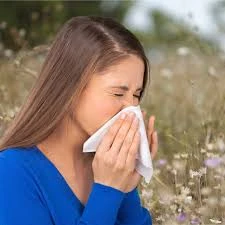

Seasonal allergies, often known as hay fever or allergic rhinitis, are a common issue that many people face. These allergies typically occur during certain times of the year when pollen levels are high, triggering allergy symptoms like sneezing, congestion, and itchy eyes. While seasonal allergies can vary from person to person, they are most often caused by pollen from trees, grasses, or weeds.
In recent years, advancements in allergy treatments have made it easier for sufferers to find relief. Whether you are dealing with mild symptoms or severe reactions, understanding the latest allergy treatments can help you take control of your health and enjoy the changing seasons without the discomfort.
What Causes Seasonal Allergies?
Seasonal allergies occur when your immune system overreacts to harmless environmental particles, such as pollen, dust, or mold. The immune system mistakes these particles for harmful invaders, prompting an allergic reaction. Common seasonal allergy triggers include:
- Pollen: During the spring and fall, trees, grasses, and weeds release large amounts of pollen into the air. This is the leading cause of seasonal allergies.
- Mold: Mold spores can grow in damp environments, like fallen leaves or in areas with high humidity. These spores tend to spread more in the warmer months.
- Dust: Dust mites, which thrive in warm, humid conditions, can worsen allergy symptoms, especially in spring and fall.
- Air Pollution: In some areas, pollution can also exacerbate allergy symptoms by irritating the airways.
When someone with a pollen allergy (or any other seasonal trigger) breathes in these allergens, their immune system reacts by releasing chemicals like histamine. This response leads to familiar allergy symptoms like sneezing, itchy eyes, and a runny nose. The severity of these symptoms can vary, but they typically worsen when exposure to the allergen is high.
How Do Allergy Medications Help?
For many people, allergy medications provide much-needed relief. The types of allergy medications available today have come a long way in terms of effectiveness and side effects. Let’s break down some of the most common types:
- Antihistamines: These are the go-to medication for most allergy sufferers. They block the effects of histamine, the chemical that triggers symptoms like sneezing and itching.
- Decongestants: If nasal congestion is a problem, decongestants can help. They reduce swelling in the nasal passages and make it easier to breathe.
- Corticosteroids: These are available in nasal spray, inhaler, or oral forms. They help reduce inflammation and are often used for more severe cases of seasonal allergies.
- Leukotriene Modifiers: These medications block chemicals that can trigger allergy symptoms, helping with both respiratory and sinus issues.
New formulations, such as nasal sprays and eye drops, allow for more targeted treatments, offering quicker relief for specific symptoms. Even some over-the-counter options are now stronger and work faster than ever before.
Exploring Natural Alternatives for Allergy Relief
In addition to traditional medications, more people are turning to natural remedies to ease their allergy symptoms. Options like local honey, nasal irrigation, and herbal teas are becoming increasingly popular. While these methods aren’t always as scientifically proven as prescription medications, they can help reduce the severity of allergy symptoms for some people. It’s important to consult with a healthcare provider before trying natural remedies, especially if you’re already using other allergy treatments.
How to Prevent Seasonal Allergy Symptoms
Prevention is key when it comes to seasonal allergies. Here are some steps you can take to minimize your exposure to allergens:
- Monitor Pollen Counts: Many weather apps and websites now provide daily pollen forecasts. Check these reports to avoid outdoor activities when pollen counts are high.
- Stay Indoors on Windy Days: Pollen travels further on windy days, so try to stay indoors during windy conditions.
- Keep Windows Closed: To keep pollen from entering your home, keep windows closed during high pollen season.
- Shower After Outdoor Activities: Pollen can stick to your clothes and hair. Showering after being outside helps reduce your exposure.
- Use HEPA Filters: High-efficiency particulate air (HEPA) filters can trap pollen, dust, and other allergens, improving indoor air quality.
These simple strategies can make a big difference in reducing your symptoms and preventing the discomfort caused by seasonal allergy triggers.
The Future of Allergy Treatments
As science continues to advance, we can expect even more breakthroughs in seasonal allergy treatments. Researchers are exploring new allergy medications, vaccines, and gene therapies that may provide longer-lasting relief with fewer side effects. Whether you're dealing with a pollen allergy or other seasonal triggers, staying informed about the latest allergy treatment options can help you find the relief you need.
Conclusion
Seasonal allergies are a common and often frustrating condition, but the good news is that help is available. From improved allergy medications to better prevention strategies, there are more options than ever before to manage allergy symptoms effectively. Whether you prefer traditional treatments, natural remedies, or advanced therapies like immunotherapy or biologics, the future of seasonal allergy relief looks brighter than ever.
By staying informed about new advancements and taking proactive steps to avoid triggers, you can enjoy the changing seasons without the constant battle against allergies. Keep an eye out for new treatments that might work for you, and remember relief from seasonal allergies is within reach.











Sign in to leave a comment.