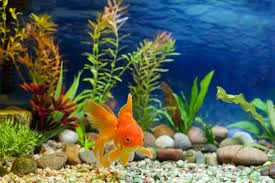

Aquariums serve as portals to the mesmerizing underwater realm, allowing us to witness the beauty and tranquility of aquatic ecosystems within the comfort of our homes. These aquatic showcases are home to an array of fish species, each with their own unique colors, behaviors, and allure. In this article, we embark on a journey to delve into the captivating world of aquariums and the fascinating fish species that inhabit them. Additionally, we will explore the role of aquarium substrate and learn how to adjust pH with aquarium substrate, unlocking the secrets to creating an optimal aquatic environment that promotes the health and well-being of our aquatic companions.
I. The Allure of Aquariums:
A. Revealing the Magic of Aquariums:
The therapeutic benefits of owning an aquarium, promoting relaxation and stress reduction.
Enhancing the aesthetics of any space, creating a serene and visually captivating environment.
B. Types of Aquariums:
Freshwater Aquariums: Unveiling the wonders of tropical freshwater fish and their vibrant habitats.
Marine Aquariums: Delving into the mesmerizing world of saltwater fish and captivating coral reefs.
II. Freshwater Aquariums and their Captivating Fish Species:
A. Diverse Freshwater Fish:
Colorful Tropical Fish:
a. Guppies: Jewels of vibrant hues, adding a splash of color to the aquarium.
b. Angelfish: Graceful creatures with unique fin patterns, showcasing elegance and beauty.
c. Neon Tetras: A shimmering school of glowing fish, captivating with their radiant appearance.
Active Bottom Dwellers:
a. Corydoras Catfish: Delightful "cleanup crew" for aquarium substrate, with their playful nature and striking patterns.
b. Loaches: Energetic and sociable fish, known for their antics and attractive patterns.
c. Plecos: Armored algae-eaters with distinctive appearances, bringing both character and functionality to the aquarium.
B. Achieving Optimal pH with Aquarium Substrate:
Understanding the Role of Substrate:
a. The significance of substrate in pH regulation and stability.
b. How substrate interacts with water chemistry to influence pH levels.
Adjusting pH with Substrate:
a. Substrates for Acidic pH:
Utilizing peat moss, coconut fiber, or ADA Amazonia to gradually lower pH levels.
Implementing proper installation and maintenance techniques to ensure effectiveness.
b. Substrates for Alkaline pH:
Exploring crushed coral, aragonite, or limestone to raise pH levels.
Monitoring and managing alkaline substrates carefully to prevent drastic pH fluctuations.
c. Substrates for Neutral pH:
Opting for inert substrates like gravel, sand, or plant-specific substrates to maintain a stable neutral pH.
Establishing a balanced pH level suitable for a variety of fish species.
III. Marine Aquariums and their Exquisite Fish Species:
A. Diversity of Marine Fish:
Clownfish: Beloved stars with vibrant colors and their intriguing symbiotic relationships with anemones.
Tangs and Surgeonfish: Graceful swimmers adorned with striking patterns and a wide spectrum of hues.
Gobies: Small, charismatic fish thriving in intricate symbiotic relationships within the marine ecosystem.
B. Creating Ideal pH Conditions in Marine Aquariums:
Recognizing the Specific pH Requirements:
a. Understanding the pH preferences of marine fish species and their sensitivity to pH fluctuations.
b. The importance of maintaining the appropriate pH range for optimal health and well-being.
Maintaining pH with Proper Substrate:
a. Selecting suitable substrate materials to achieve and stabilize the desired pH.
b. Monitoring and adjusting pH levels based on the specific requirements of the marine species.
IV. Aquarium Care and Maintenance:
A. Water Quality and Filtration:
Regular water testing and maintenance to ensure optimal water conditions. Choosing appropriate filtration systems to promote clean and healthy water, supporting fish health.
B. Feeding and Nutrition:
Providing a balanced and varied diet tailored to the nutritional needs of different fish species.
Understanding specific dietary requirements to promote growth, vitality, and overall well-being.
C. Ensuring Fish Health and Well-being:
Recognizing common diseases and ailments in aquarium fish, and implementing preventive measures.
Creating a stress-free environment by maintaining stable pH levels, proper water parameters, and suitable tank mates.
Conclusion:
Aquariums open a window to the enchanting underwater world, allowing us to witness the captivating beauty of fish species that grace our oceans and rivers. By understanding the unique characteristics and needs of different fish species, and harnessing the potential of aquarium substrate for pH adjustment, we can create optimal aquatic environments that promote the health and well-being of our aquatic companions. So, dive into the mesmerizing world of aquariums, immerse yourself in the splendor of captivating fish species, and unlock the secrets to maintaining an ideal pH balance using the power of aquarium substrate.











Sign in to leave a comment.